


High-level evaluation
Independent high-level evaluation of the ILO's Better Work Programme (2014 – 25), with a focus on Phase V Strategy (2022 – 27)
What is the Better Work Programme?
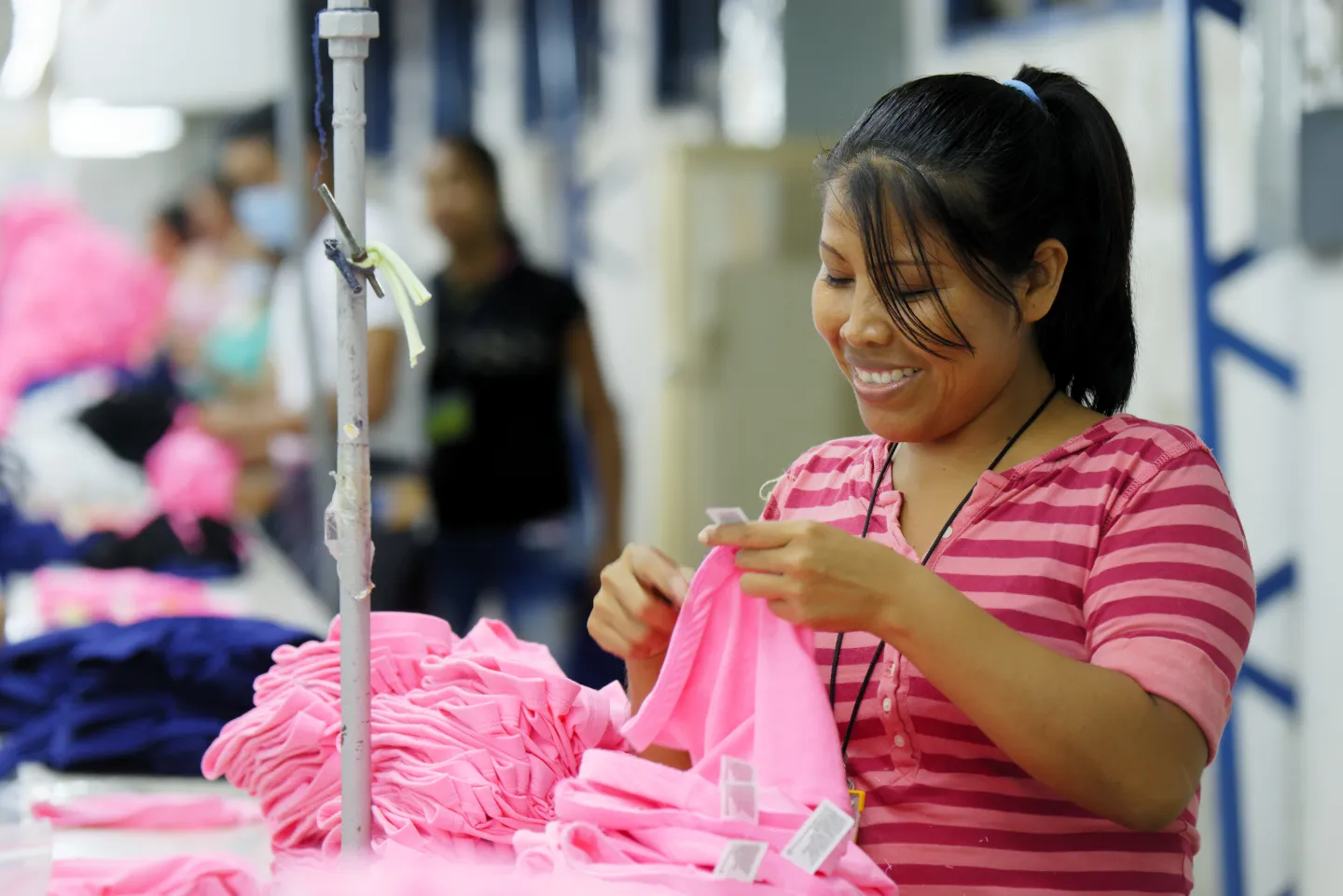
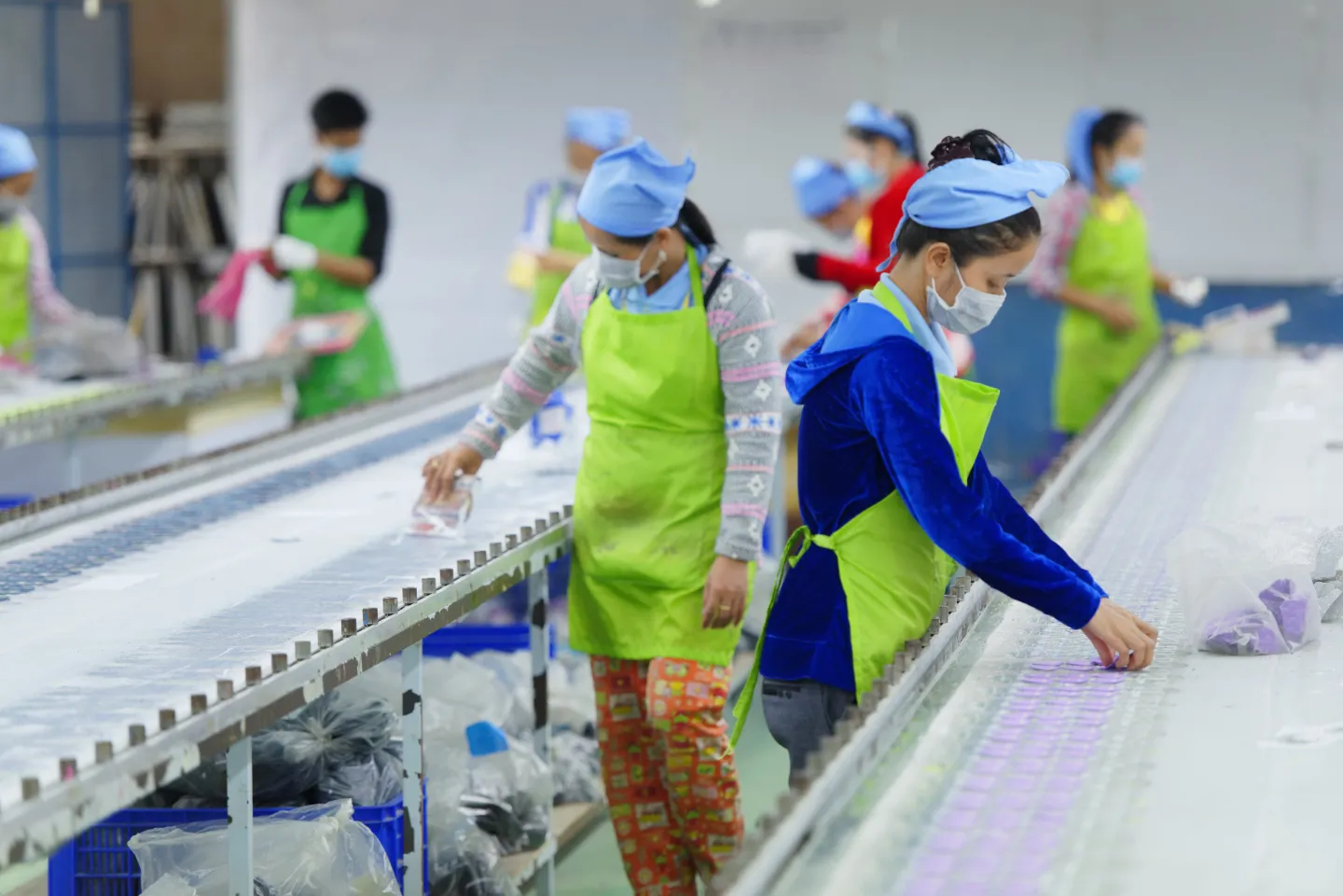
The Better Work Programme is a partnership between the ILO and the International Finance Corporation (IFC), a member of the World Bank Group. Its primary objective is to enhance working conditions and promote competitiveness in apparel producing factories where it operates. The goal of the programme is to contribute toward “an apparel sector that has lifted millions of people out of poverty and reduced its environmental impacts by creating safe and decent jobs in sustainable enterprises that empower women and in which workers and employers can exercise their fundamental rights.”
Intervention strategies
Better Work’s phase V strategy aims to achieve five main programme outcomes
- Sustainable, resilient and inclusive industry: Employers, workers and their representatives uphold and are protected by national labour laws and FPRW, and enterprises are more sustainable, resilient and inclusive.
- Strong national institutions: Better Work’s impact is sustained by national institutions that leverage its approaches, data and evidence.
- Responsible business conduct: Participating enterprises adopt policies and practices on responsible business conduct that support the realization of decent work.
- Impacts beyond the programme: Better Work’s learnings and methods create positive social and environmental impacts in other countries and sectors
- Effective global operations: The reach and effectiveness of Better Work’s operations, interventions and policy advice are maximized by a sound systems infrastructure, robust research and analysis, and strategic communications.
Why evaluate?
At its 350th Session in March 2024, the Governing Body of the International Labour Organization (ILO) mandated an independent high-level evaluation of the Better Work Programme. The evaluation was designed to assess the programme’s performance over the past decade, with particular attention to the implementation and strategic direction of its Phase V (2022–27).
Purpose and description of the evaluation
The purpose of the high-level evaluation is to provide credible, evidence-based insights to inform decision-making by ILO constituents, Better Work management, development partners, and to support the ongoing relevance, effectiveness, and sustainability of the programme.
The evaluation examines how Better Work Programme contributed to improving labour standards and working conditions in global supply chains, while strengthening labour market governance and advancing the Decent Work Agenda. It also aims to assess the programme’s efforts to transition its roles to national institutions and explore opportunities to ensure the long-term sustainability of its achievements.
Key findings
The evaluation led to multiple findings for decision-making, accountability and organizational learning. Some key findings are listed below:
“Factories participating in the Better Work programme have introduced new practices in safety, improved working conditions, and social relations. This has strengthened worker protection and accountability.” - Constituent
Lessons learned
- Factory-level improvements are not sustainable without complementary investments in national labour governance systems. While Better Work has delivered substantial gains in participating factories, these are vulnerable to backsliding in the absence of stronger enforcement institutions, collective bargaining mechanisms, and social dialogue frameworks.
- Programme scale and sustainability depend on clear, time-bound transition strategies and increased local ownership. Countries with emerging models for national delivery of Better Work services—such as Indonesia— show the value of embedding compliance and advisory functions within credible local institutions. However, even in these cases, transitions have been hindered by insufficient planning, unclear separation modalities, and limited stakeholder engagement.
- Innovations in programme delivery—such as differentiated engagement for high-performing factories or lighter compliance tools— can enhance efficiency, but must be carefully balanced to maintain credibility and impact. In contexts where ‘Better Work Light’ models were piloted, stakeholders welcomed the flexibility but expressed concern over the potential dilution of Better Work’s influence and quality assurance.

Key recommendations
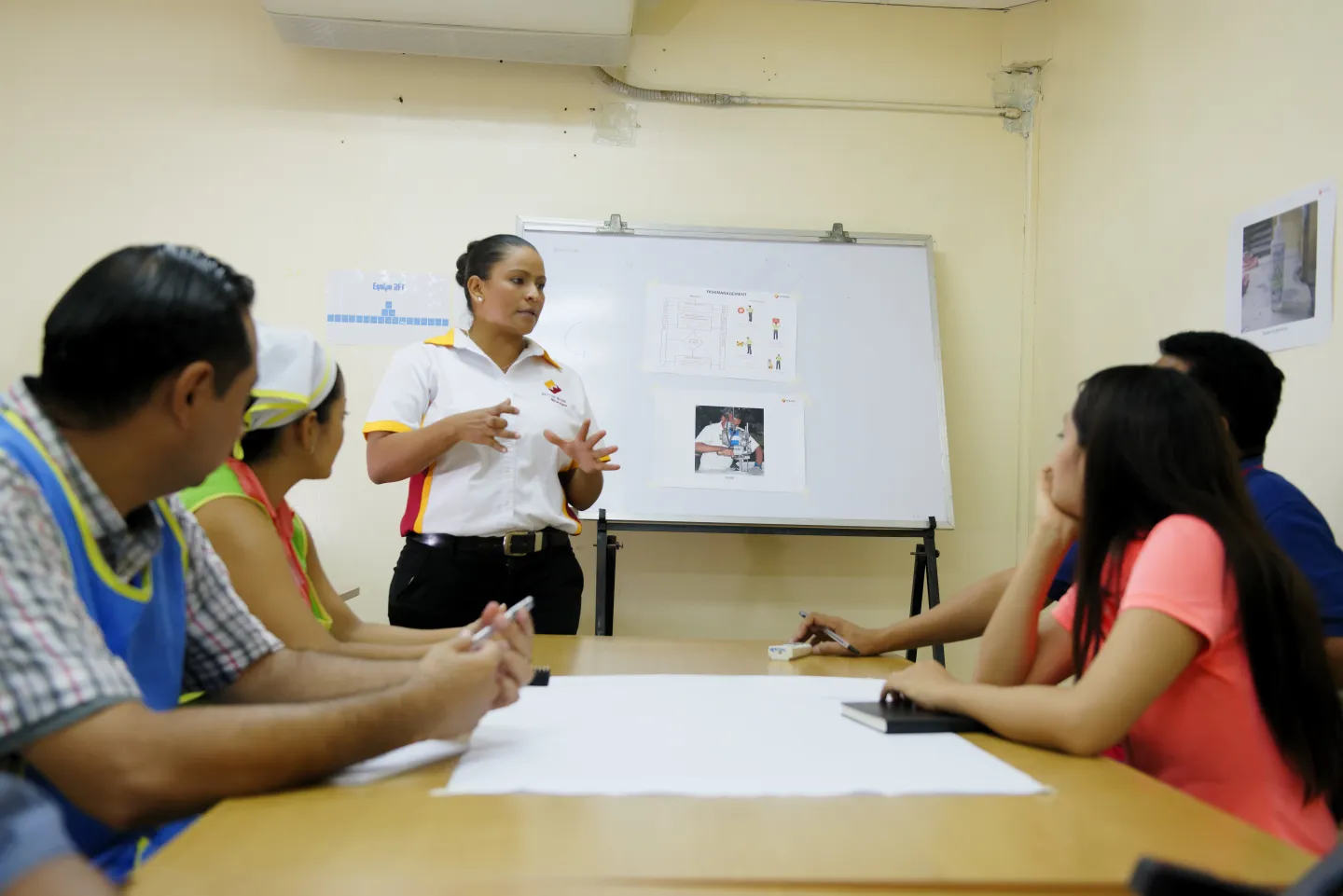
To safeguard its credibility and sustain its achievements, the evaluation recommends that Better Work urgently accelerate planning for the phased transition of long-standing programmes to national partners. This involves supporting each country to co-design a transition strategy grounded in national context, with clear timelines, benchmarks, and resource plans. Local institutions—including tripartite bodies and market-based entities—should be empowered and accredited to take over core delivery functions, supported by ongoing quality assurance from the ILO and IFC.
At the same time, Better Work should continue refining its factory engagement model to improve efficiency and scalability. This includes expanding cost recovery, diversifying funding sources beyond traditional donors, and integrating new methods of compliance monitoring such as predictive analytics and sampling. Investment in local training institutions and the formalization of factory ambassador programmes will help institutionalize capacity within national systems.
The programme should also strengthen its internal and external coherence by deepening collaboration across ILO technical units under a ‘One ILO’ approach. This is vital for aligning Better Work’s factory-level insights with broader policy interventions in areas such as wage setting, grievance mechanisms, and social protection. New programmes should only be launched in countries where enabling conditions are in place, and where governments commit to legal and institutional reform.
- Finally, the evaluation underscores the need for continued investment in Better Work’s data systems, tools, and brand engagement strategies. Compliance data must be made more accessible and user-friendly for workers’ organizations, employers, and governments. The Better Work Academy should evolve toward financial self-sufficiency, and brand partnerships should continue to advance the programme’s goals on gender equality, decent work, and responsible supply chains.
“Its alignment with ILO goals is evident in its focus on fundamental principles and rights at work, decent work promotion, and strengthening of institutional capacity, especially through tripartite engagement and factory-level improvements.” - Constituent
Related resources
Quick facts
Full report
See also
High-level evaluation
Independent high-level evaluation of the ILO’s strategies and actions under the Youth Employment Action Plan 2020-30

High-level evaluation
Independent high-level evaluation of ILO's Decent Work Country Programme strategies and activities in ILO-subregion of Central America with...