

Brief
Employment and livelihoods recovery after Cyclone Ditwah In Sri Lanka
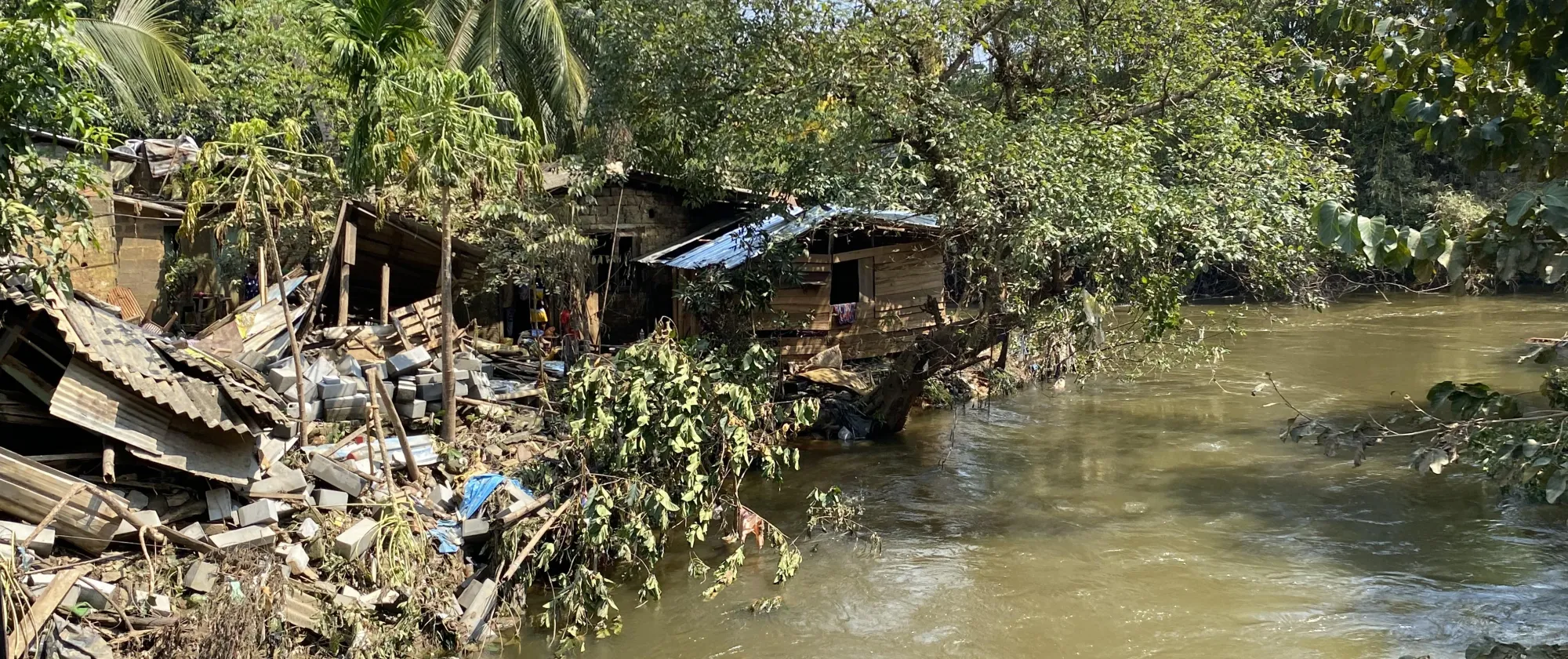
Cyclone Ditwah’s labour market shock caused USD 18 million in income losses, threatening vulnerable informal workers and micro, small and medium enterprises.
This brief highlights the severe labour market shock in Sri Lank caused by Cyclone Ditwah, including 149,400 workers facing temporary stoppages, 5 million lost workdays, and USD 18 million in income losses. Impacts were most acute in the informal service economy and plantation sectors. While women represent 35% of affected workers, they face disproportionate welfare risks due to lower baseline earnings and increased unpaid care burdens. The recovery requires USD 34 million to address structural vulnerabilities.
The recovery strategy advocated by the ILO and its constituents, adopts a build back better, decent work–centred approach, combining rapid income restoration with medium-term investments to strengthen labour market resilience and reduce vulnerability to future shocks.
Additional details
References
Related content
Brief
Preliminary employment assessment of the impact of Cyclone Ditwah in Sri Lanka

Press Release
ILO estimates up to 374,000 workers affected by the devastating Cyclone Ditwah in Sri Lanka