

Press Release
ILO estimates up to 374,000 workers affected by the devastating Cyclone Ditwah in Sri Lanka
A brief by the ILO outlines the devastating labour market impact of Cyclone Ditwah, which made landfall in Sri Lanka in late November. It shows that up to 374,000 workers have been potentially affected by flooding and landslides, with potential income losses accruing to US$48 million per month. The brief calls for a mix of emergency cash employment-intensive early recovery programmes to restore livelihoods, sectoral assistance to agriculture, fisheries and plantation, and longer-term strengthening of social protection systems to increase resilience.
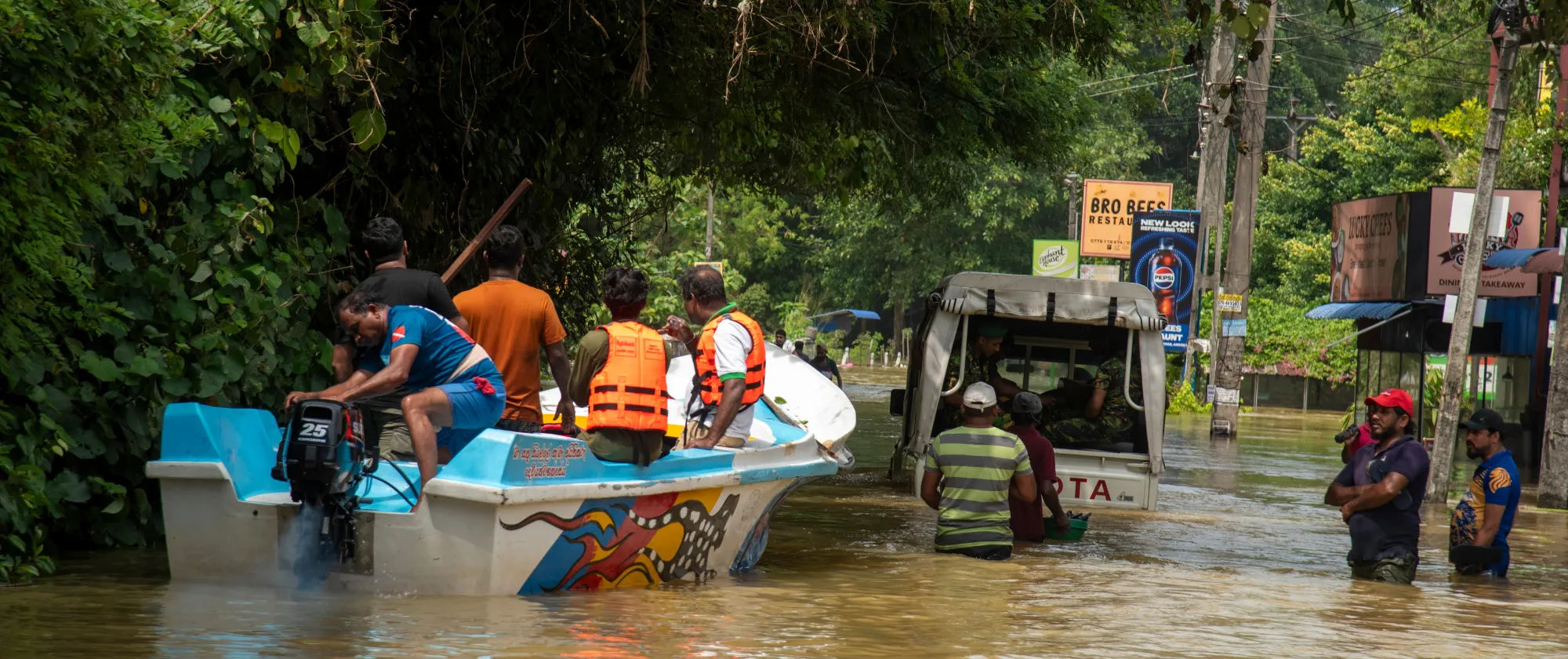
Colombo (ILO News) – A new brief by the ILO sheds light on the devastating impact of Cyclone Ditwah, which made landfall in Sri Lanka on 26 November, bringing catastrophic rains and causing landslides in large parts of the country. Most severe flooding took place in Northern and Eastern districts, with landslides particularly affected central areas, where many tea plantations are located.
The brief combined remote sensing data on flood extent, population, agriculture and nightlight with labour force survey data to provide a preliminary snapshot of the situation in the affected area. This innovative approach provides timely insights into the potential impact on livelihoods and aims to guide both the emergency response and medium-term support to help workers regain a foothold in the labour market.
The ILO research estimates that up to 374,000 workers worked in the area directly impacted by floods and landslides. This represents US$48 million in potential earnings lost per month if these workers are unable to work or find quality employment elsewhere. Agriculture and fisheries sector were severely hit. Up to 23 per cent of rice-cultivating land has been affected by the floods, and preliminary estimate of output losses in the tea industry could be as high as 35 per cent. In the latter, smallholder farmers, who account for 70 per cent of sectoral output, have been disproportionately affected.
Considering these disastrous conditions, the brief calls for immediate measures to support the restoration of livelihoods. Emergency cash assistance and the widespread rollout of employment-intensive recovery activities that ensure decent working conditions should be prioritized in the short -term, combined with specific sectoral support and assistance to MSMEs to swiftly restore means of production. Such programmes must prioritize the most vulnerable, be conflict-sensitive, work through workers’ and employers’ organization, and interact directly with community stakeholders. Medium-term recovery efforts should integrate lessons from this event to improve coverage, adequacy and coordination between wage protection, social protection, employment policies, and disaster risk management frameworks.
Related content
Brief
Preliminary employment assessment of the impact of Cyclone Ditwah in Sri Lanka