

Implementing the PPDP Model In Kenya - Key Lessons and Achievements
Promoting Inclusive Growth and Decent Work through the PPDP Model in Kenya
The success of the PPDP Phase 1 project lies not only in its tangible outcomes—such as improved employment opportunities and access to public services—but also in its ability to build trust between communities, governments, and private sector actors.
19 February 2025
The ILO's Public-Private Development Partnership (PPDP) for Inclusive Growth through Decent Work in the Great Rift Valley project, aimed at fostering inclusive growth and promoting decent work in Nakuru and Narok counties, has officially come to a close. Funded by the Swedish International Development Cooperation Agency (Sida) and co-implemented by ForumCiv, the project utilized an innovative partnership model that brought together public and private actors to address critical community challenges.
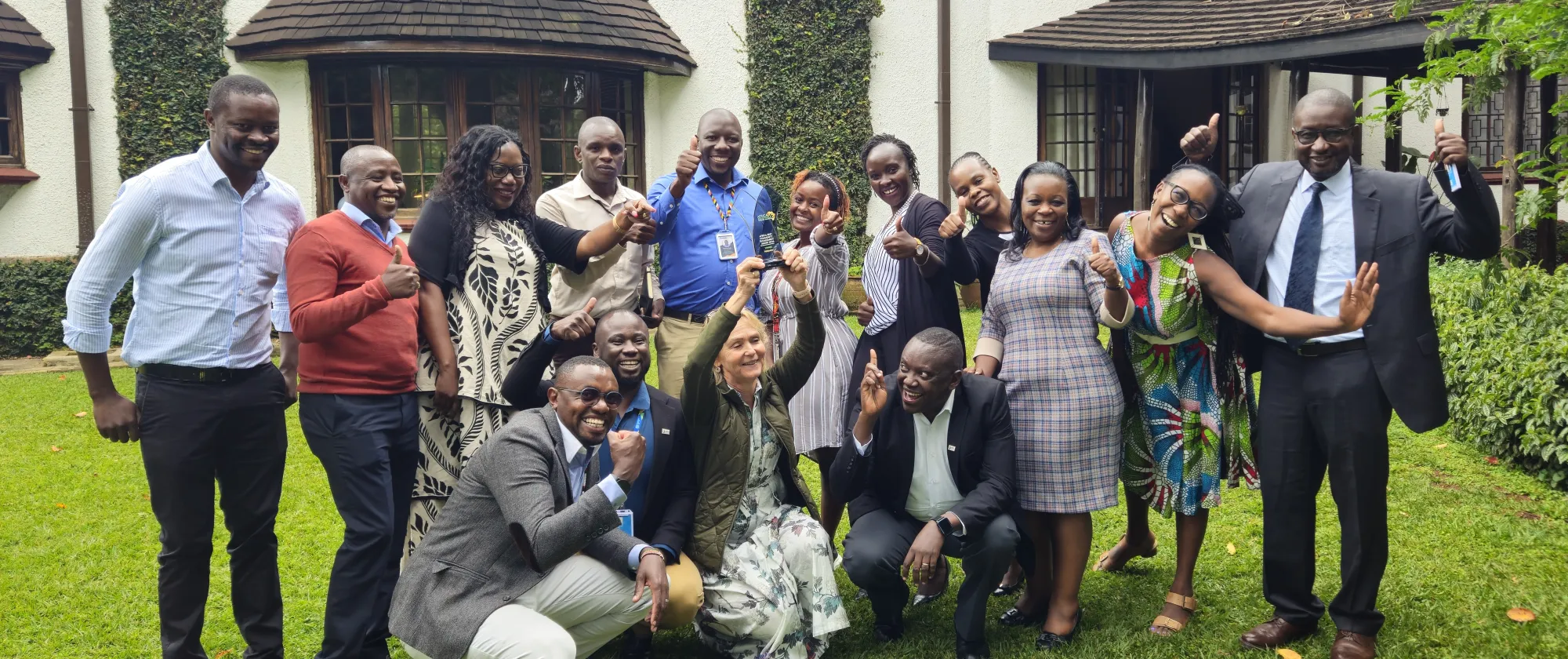
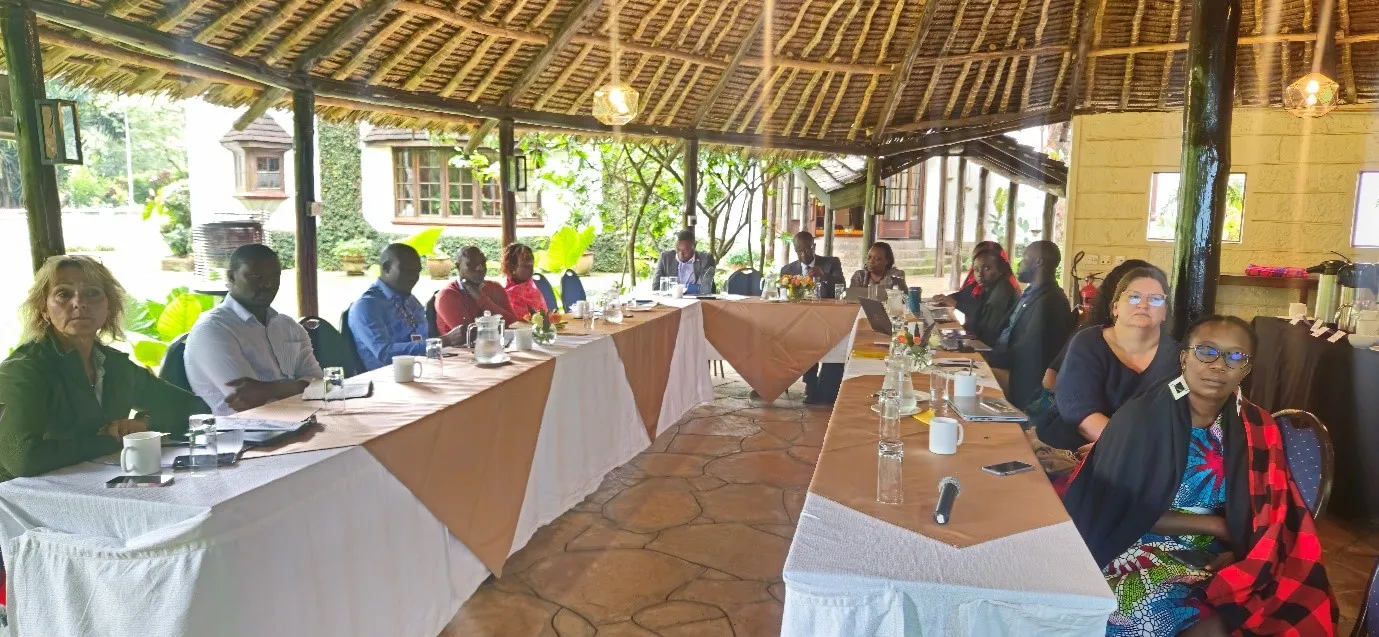
At a closure meeting with Sida held on 15th January 2025, the project team reflected on its achievements, challenges, and lessons learned. The discussions marked not only the end of an impactful first phase but also laid the groundwork for a stronger, more inclusive PPDP Phase two.
The PPDP Model
Public Private Development Partnerships (PPDP) is a modality for concrete cooperation between public and private sector actors. PPDPs encourage the private sector to proactively create business ventures that also improve conditions for people in poverty.
The overarching objective of the PPDP is to increase economic opportunities for people living in poverty. A PPDP can, for example, help solve problems regarding lack of access to sustainable energy, food supply, or poor agricultural practices or access to jobs. A PPDP can include education and vocational training. PPDPs aim to maximise the development value of private investments.
Private sector partner(s) and the public partner(s) finance a project jointly. The driver of the project should be the partnering company or a cluster/ consortium of companies. The project is generally implemented by a third party, e.g. a UN agency, and in this case the ILO. The private partner(s) will normally be expected to cover at least 50% of the total cost of a project, with the public partner(s)’ contributions being complementary. The PPDP implementation model allows private companies to be implementing partners - not just donors - which fosters sustainability, local ownership and exchange of expertise.
In the Inclusive Growth Through Decent Work in the Great Rift Valley in Kenya-a PPDP model, focused on addressing issues unique to Nakuru and Narok counties, such as unemployment, gender inequality, and exclusion. This approach ensured that local needs were at the forefront of project planning and implementation.
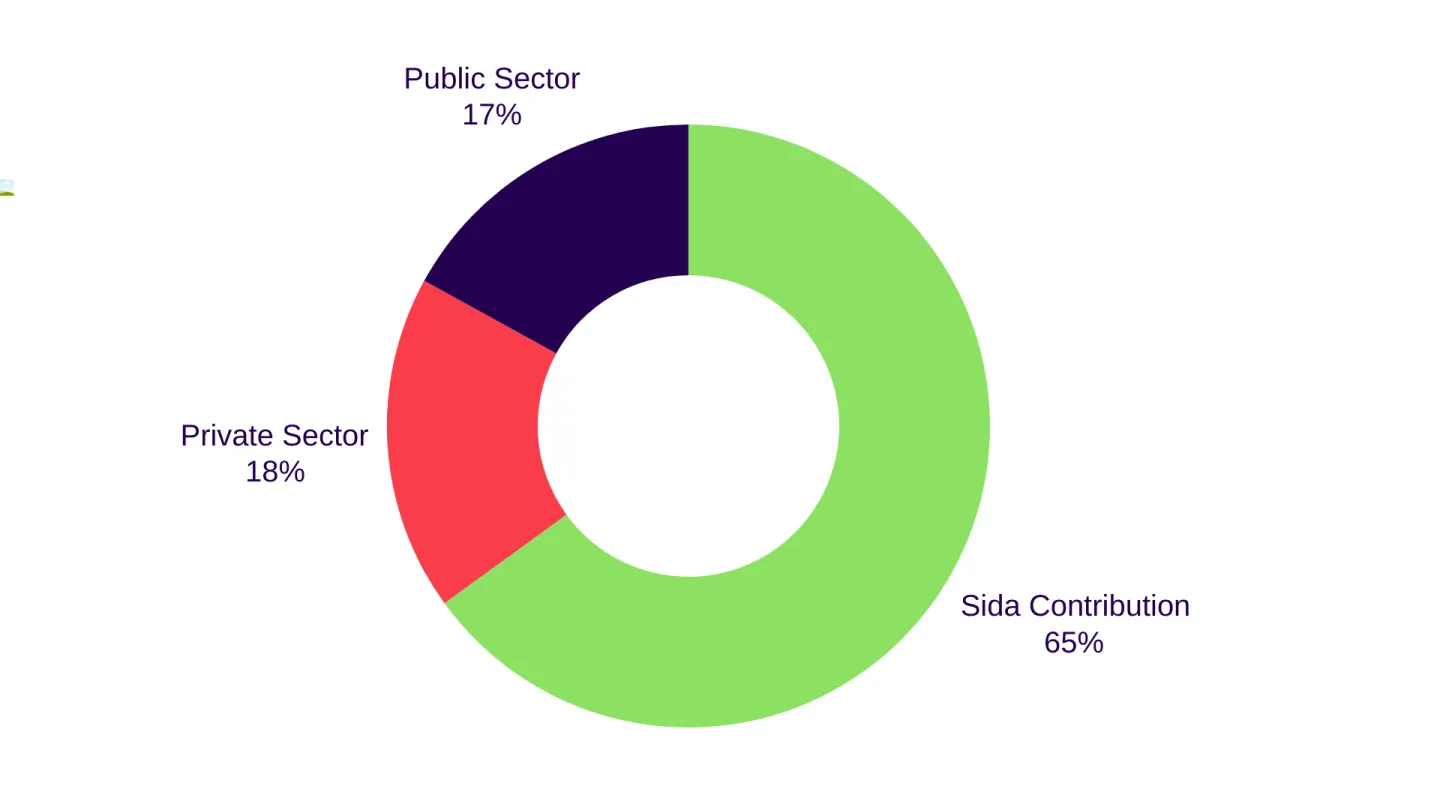
In the 1st phase of the PPDP for Inclusive Growth Through Decent Work in the Great Rift Valley, Kenya, the project was able to get 65% of the funding through catalytic funding from Sida while 35% was from other partners both public and private.
Harnessing Partnerships for Development

The PPDP initiative was born out of a shared vision to create sustainable economic opportunities in some of Kenya’s most vulnerable communities. Initially linked to Akiira Geotherm Ltd’s geothermal investment in Olkaria, the project evolved into a comprehensive effort to address community challenges, such as poverty, unemployment, and gender inequality.
By engaging communities, public institutions, and private sector partners, the project sought to promote decent work, enhance skill development, and improve access to essential services. The PPDP model’s inclusive nature ensured that all stakeholders, particularly community members, played an active role in the project’s success.
Significant Achievements

The project delivered impactful results that have transformed the lives of the communities it served:
- Enhanced Vocational Training: Six courses were reviewed and developed, improving the quality and relevance of training at four vocational training centres (VTCs).
- Skilled Graduates in the Workforce: A total of 1,700 graduates were assessed and certified, with 80% securing jobs either as employees or entrepreneurs.
- Job Creation: The project created 1,109 jobs, surpassing its initial target of 1,000.
- Business Development Support: Over 1,875 new businesses were started, providing income opportunities for local entrepreneurs.
- Access to Finance: 606 youth and women entrepreneurs received loans totaling USD 45,000 and grants worth USD 76,000 to support their ventures.
- Private Sector Engagement: 25 companies committed to providing industrial training and attachments, strengthening links between training and industry needs.
- Gender Mainstreaming: Strategic plans promoted gender inclusion in vocational training centers, leading to increased participation of women and girls.
Overcoming Challenges
The implementation journey was not without its hurdles. Prolonged droughts strained water resources, leading to tensions in some communities. Through dialogue and collaboration, the project established joint water distribution committees that helped mediate conflicts and improve access.
Community resistance, particularly toward advocacy efforts, presented another challenge. Misunderstandings around the project’s intentions initially slowed progress. To address this, the project prioritized transparency and involved local leaders in decision-making processes, ultimately building trust and support.
The COVID-19 pandemic added a layer of complexity, disrupting activities and delaying timelines. However, the project adapted quickly, shifting to virtual platforms for meetings and seeking Sida’s approval to reprioritize tasks.
Despite these challenges, the project demonstrated resilience, finding innovative ways to ensure continuity and deliver results.
Reflections and Insights
As stakeholders reflected on the project, they acknowledged its transformative impact on the communities involved. Below are some reflections on the project;
Throughout implementation, we learned to adapt and change tact, ensuring the community’s interests were always at the center of our work. By continuously engaging with county officials and community members, we ensured alignment with evolving needs. We are proud to have walked this transformative journey with Sida.
Jackson Obare, Regional Manager, Eastern and Southern Africa, ForumCiv
The project has been a learning experience, evolving into a model for sustainable community development
Lena Rupp, Counsellor, Development Cooperation-Embassy of Sweden in Kenya
We had to unlearn the notion that this was a donor-driven project. By planting the seeds of collaboration and ownership, we’ve created a foundation for lasting impact.
Isaac Kiema, the PPDP project manager for the ILO
Gender inclusion emerged as a key focus for the next phase. Ida Chimedza, ILO Technical Specialist on Gender equality, Non-discrimination, acknowledged gaps in Phase 1 and outlined steps being taken to address them.
We have developed a gender action plan and begun training staff to ensure that PPDP Phase 2 fully integrates gender mainstreaming.
Ida Chimedza, ILO Technical Specialist on Gender equality, Non-discrimination.
Scaling Impact: The Path to PPDP Phase Two
As the ILO transitions to Phase 2 of the PPDP initiative, the lessons from Phase 1 will serve as a guiding framework. The next phase aims to deepen private sector engagement, enhance inclusivity, and address systemic challenges such as gender disparities. The project’s success in creating jobs, supporting entrepreneurs, and improving public services demonstrates the potential of partnership-driven development models.
Related content
Public-private development partnerships for inclusive decent employment and productive livelihoods