

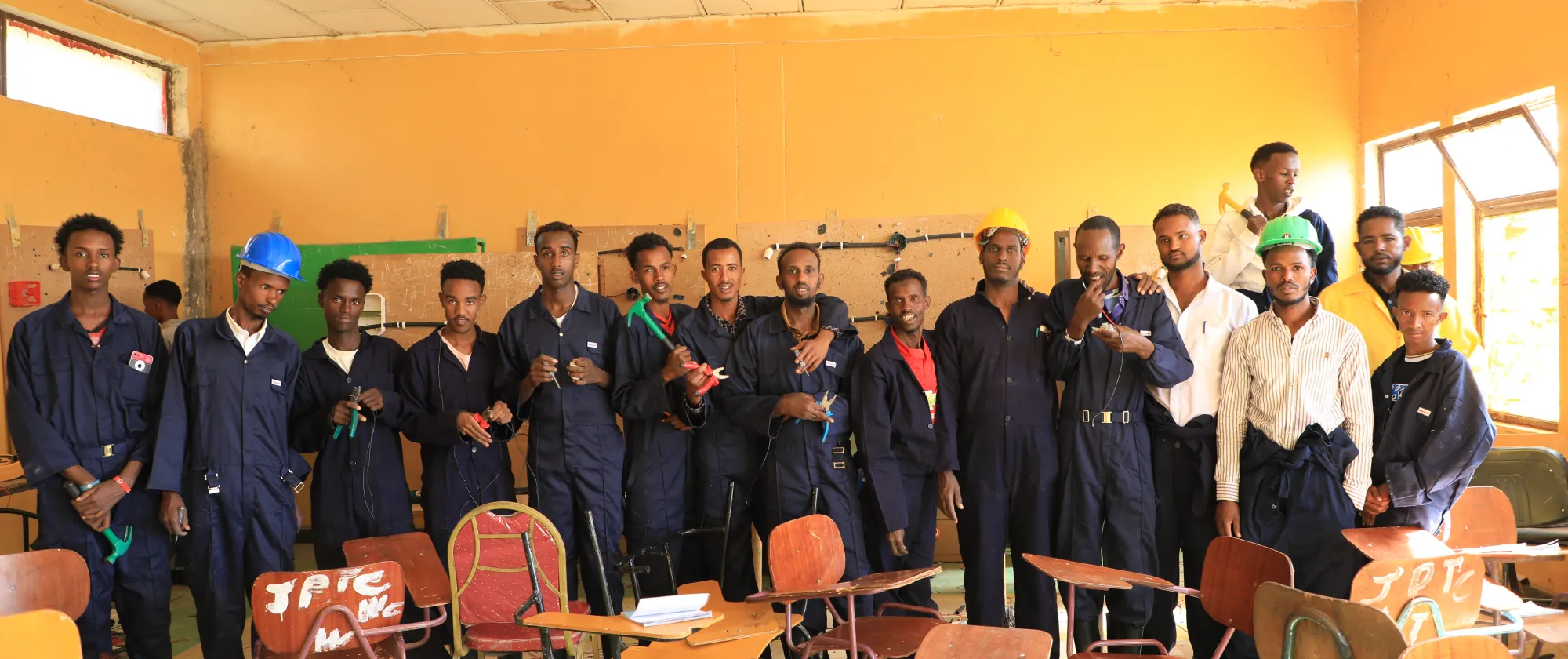
Ethiopia
The second-largest refugee-hosting country in Africa
According to the latest UNHCR Global Trends (2019), Ethiopia is host to 733,125 refugees (53% are female and 63% are children and adolescents aged 0-17). The majority of refugee populations are from South Sudan (46.7%), Somalia (26.4%), Eritrea (19.9%), and Sudan (5.8%). Refugees are largely from low income agro-pastoralist backgrounds, have low levels of literacy, and few modern technical skills. Overall, children, adult women, the disabled and the elderly make up around 80 percent of the population and can be considered vulnerable.
The humanitarian landscape of Ethiopia continues to be dominated by challenges posed by intercommunal violence and the resultant mass internal displacements (IDPs). There is a triple challenge of drought impact, localized flooding and the still significant humanitarian and recovery needs of IDPs, returnees and host communities. Assessments as of September 2019 have identified 1.61 million IDPs (307,437 households) internally displaced across 1,149 sites in Ethiopia with 1.07 million IDPs (66.8%) conflict-induced and 402,562 IDPs (25.1%) climate-induced.
Two areas (Shire & Jjijiga) emerged as potential targets and initial priorities amongst the below forcibly displaced hosting areas. Intensely displacement-impacted areas in the Faafan Zone of SRS and the NW Tigray (Shire) zone emerged as potential areas of interest. However interventions may not be restricted to these two areas as support to economic opportunities and necessary market linkages that stretch across different refugee hosting areas may be pursued.
The Partners (IFC, ILO, UNICEF, UNHCR, World Bank) will collaboratively support government-led efforts to strengthen systems and develop and implement policies that promote inclusion and socio-economic development of FDPs and host communities, whilst working closely with local authorities, business/private sector, and communities to identify, maximize, and realize opportunities.
Latest news
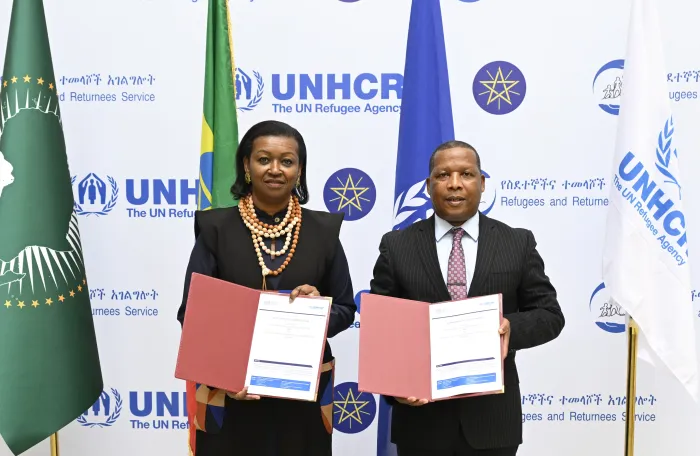
ILO-UNHCR partnership
ILO and UNHCR strengthen partnership to advance decent work for refugees and host communities in Ethiopia
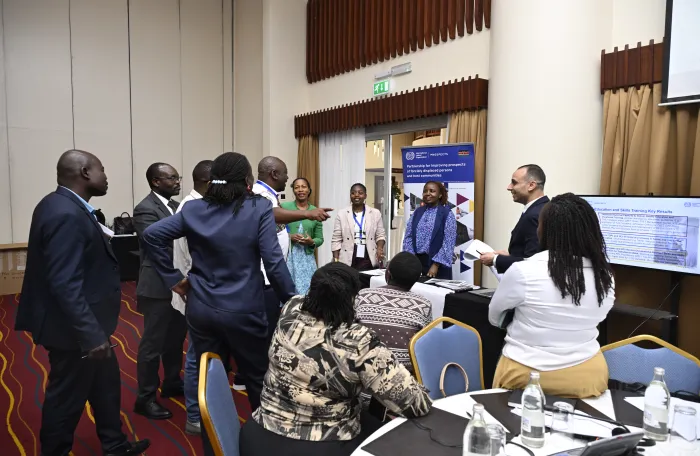
Forced displacement
African tripartite partners advance policy pathways for decent work in displacement at regional meeting

Regional cooperation
PROSPECTS Africa Forum launches regional dialogue on decent work and forced displacement

News
ILO empowers refugee and host communities in Ethiopia through digital skills training
Latest Publications
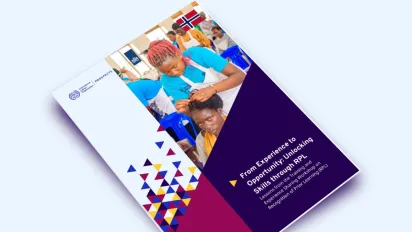
Report
From experience to opportunity: Unlocking skills through Recognition of Prior Learning
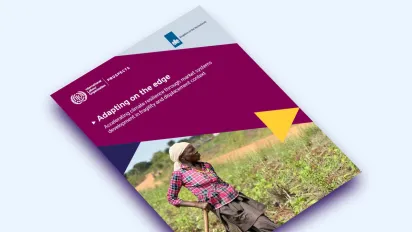
Adapting on the edge: Accelerating climate resilience through market systems development in fragility and displacement context

Lessons Learned report
Responding to Forced Displacement - Lessons from the International Labour Organization’s Engagement in the PROSPECTS Programme
Useful resources
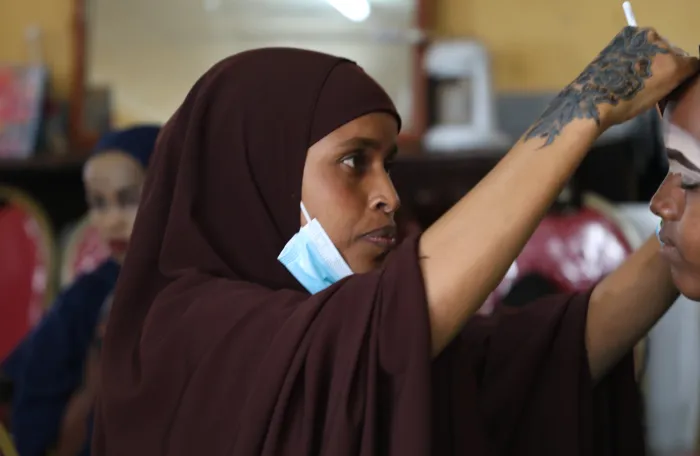
Photos
ILO PROSPECTS Ethiopia on Flickr

Factsheet
ILO PROSPECTS in Ethiopia - at a glance
Ethiopia in focus
Ethiopia - Global Focus Page
Our constituents
Ministry of Labour and Social Affairs
Ethiopian Employers Federation
The Confederation of Ethiopia Trade Union (CETU)
Our partners
-
Made possible thanks to the generous support of the Ministry of Foreign Affairs of the Netherlands
-
Our partners' ressources
Get in touch
ILO Country Office for Ethiopia, Djibouti, Somalia, Sudan and South Sudan
Visit their website
Stephen Opio
Chief Technical Advisor
[email protected]
Eirmyas Kaase
National Project Coordinator - Enterprise Development
[email protected]
Chekole Moges Habtu
National Project Coordinator - EIIP
[email protected]
Marta Tsehay
National Project Coordinator, Digital Inclusion and Youth Participation
[email protected]
Gizeshwork Tadesse Gurmu
National Programme Officer, Skills
[email protected]
Zelalem Alemenew Desta
National Communication Officer
[email protected]
Melawit Weldegergis
Monitoring, Evaluation and Learning Officer
[email protected]
Meron Elias
Finance and Administrative Assistant
[email protected]
Chemeda Basha
Finance and Administrative Assistant
[email protected]