

Project
Building Capacities on Indigenous and Tribal Peoples’ Issues in Bangladesh: Rights and Good Practices
Promotes the rights of indigenous peoples in Bangladesh through piloting a targeted capacity building and advocacy initiative based primarily on the principles of ILO Conventions (No.107, No.169, and No.111) and other international instruments relevant to Indigenous and Tribal Peoples.The ILO Office in Dhaka is implementing the project while NORMES (PRO 169) department has the technical backstopping responsibility.
Duration
1 January 2012 - 31 December 2015
Development partner(s)
Embassy of Denmark, Dhaka
Reference
BGD/11/03/DAN
Background of the project
The project promotes the rights of Indigenous and Tribal Peoples in Bangladesh through capacity building and advocacy based primarily on the principles of ILO Conventions (C.107, C.169, and C.111) and other international instruments relevant to Indigenous and Tribal Peoples. The ILO Office in Bangladesh is implementing the project while Conditions of Work and Equality Department, Gender, Equality and Diversity (GED) (PRO 169) department has the technical backstopping responsibility. The project is funded by the Embassy of Denmark in Dhaka.
The project aims to build on the solid foundation developed during the first phase of the project to promote Indigenous and Tribal Peoples’ rights in Bangladesh. The project will provide assistance at the national level to ensure the integration of indigenous and tribal peoples’ rights in the national and international standards and policies.
The Ministry of Chittagong Hill Tracts Affairs (MoCHTA) will take the lead in coordinating and mobilizing relevant ministries and authorities to constructively engage with the indigenous rights discourse, through training, awareness raising and dialogue.
Objective of the project
- Stakeholders at national and local levels have a clear understanding of the provisions and application of indigenous and tribal peoples’ rights in the Bangladesh context- Indigenous and tribal peoples’ rights as enshrined in ILO Convention No. 169, are included in the national legislation and policies
- Mechanisms for effective coordination and monitoring of the implementation of Indigenous and tribal peoples’ rights are in place
Expected outcomes
- Indigenous People’s Organizations (IPOs), concerned government officials and relevant stakeholders are informed about the international instruments on IPs rights and have gained exposure and experience with good practices.- Awareness-raising campaign on ILO Convention No. 169, particularly addressing key decision-makers and indigenous institutions are conducted.
- Coordination and consultation mechanisms on indigenous issues among government institutions and agencies are enhanced.
- Key government officials at national level and staff posted at grass-root level
- Members of Parliament
- Indigenous communities/organizations from around the country
- Media and indigenous and non-indigenous civil society at national level
Participation, as one of the key principles of ILO policy on Indigenous and tribal peoples, will be promoted in the following approaches:
- Working with Indigenous and tribal peoples’ own representative organizations as the key stakeholder in the project; and
- Training and capacity building will be tailor made for the specific target groups to enhance participation.
For further information please contact:
Mr Alexius ChichamNational Coordinator
Capacity Building on Indigenous and Tribal Peoples’ Issues in Bangladesh
ILO Office in Bangladesh
House # A9 Road # 127
Gulshan-1
Bangladesh
Tel: +8809678777456
Related content
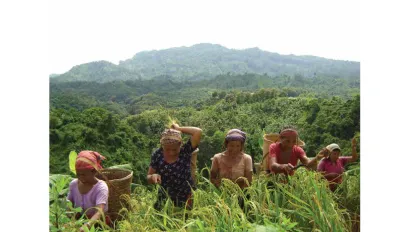
Seminar report
Indigenous people in Bangladesh: Human rights and sustainable development goals

Survey reveals need for skills and employment support for Indigenous and Tribal Peoples (ITPs)
Affirmative action
Indigenous people need help to secure government jobs in Bangladesh
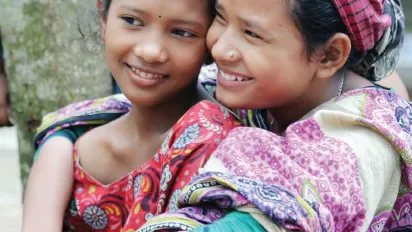
Brochure
Building capacities on indigenous and tribal peoples’ issues in Bangladesh
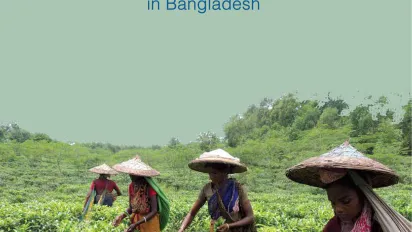
Study report
Working conditions of tea plantation workers in Bangladesh
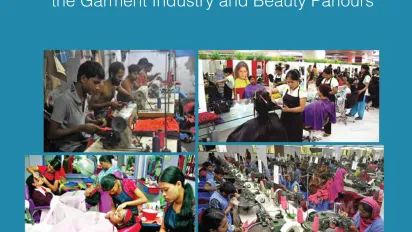
RMG and beauty parlours
Working Conditions of Indigenous and Tribal Workers in Bangladesh’s Urban Economy
United Nations Indigenous Peoples’ Partnership (UNIPP) Strategic Framework 2011-2015