

Digital enterprise
Entrepreneurs in Caraga harness AI to boost business operations
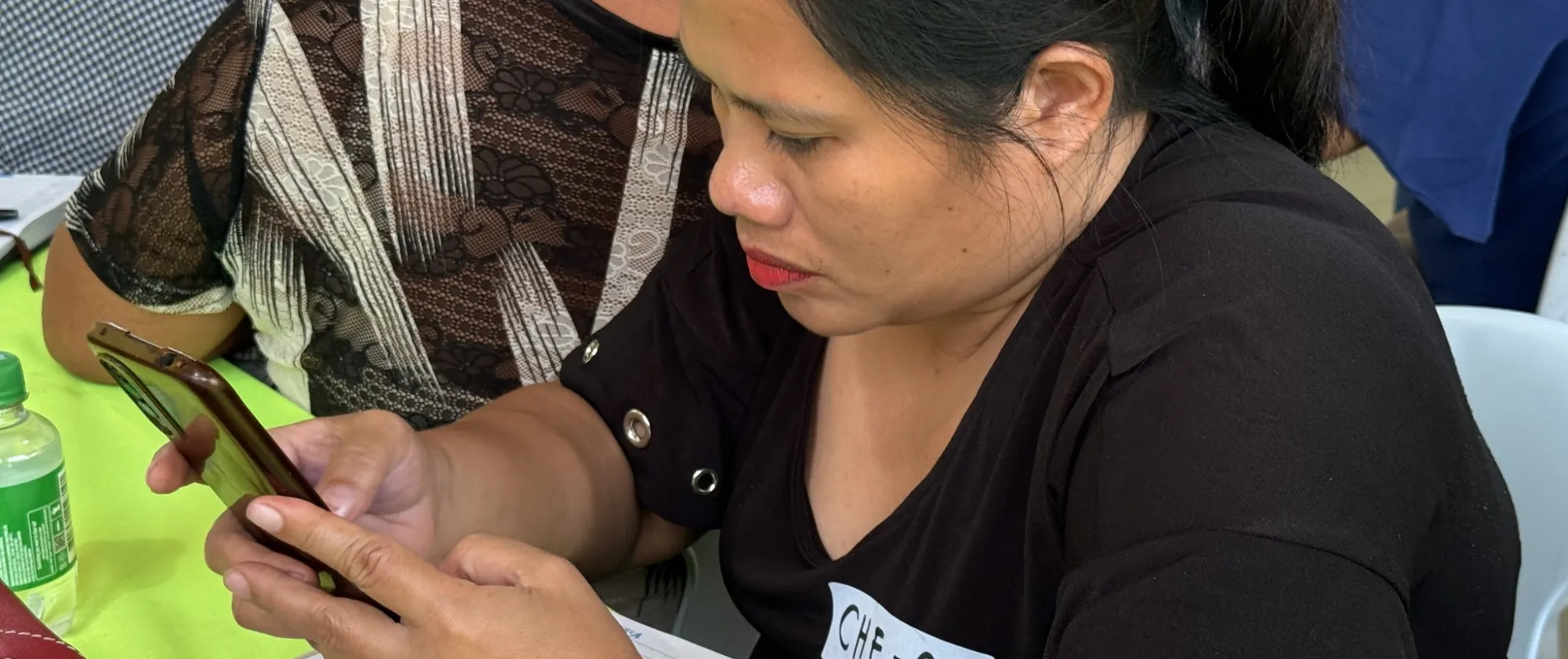
Micro and small entrepreneurs in Talacogon, Caraga Region gain valuable AI skills to enhance business operations during a hands-on training session.
Micro and small entrepreneurs from the Talacogon, a remote area in the Caraga Region, gain knowledge and skills on the use of artificial intelligence (AI) to enhance business operations. The comprehensive, hands-on training session held on 7 April 2025 introduced AI tools and its use. Supported by the Department of Trade and Industry (DTI)-Caraga and the local government of Talacogon, the training focused on empowering digital novices to leverage AI for various business challenges, including customer segmentation, marketing strategy, and risk management.
The capacity-building initiative was part of the United Nations Joint Programme Digital-PINAS, implemented by the United Nations Development Programme (UNDP), International Trade Center (ITC), and the International Labour Organization (ILO). The programme underscores the importance of inclusive digitalization, ensuring that even geographically isolated communities are integrated into the digital economy.
Funded by the UN Joint SDG Fund, Digital-PINAS aims to support the digital transformation of at least 15,000 micro, small, and medium enterprises (MSMEs) across the Philippines, promoting a more inclusive digital economy. Entrepreneurs in Talacogon actively engaged with AI tools, gaining practical insights and skills to address real-world business challenges.
The joint programme highlights the commitment to fostering digital literacy and economic growth in remote areas, ensuring that no community is left behind in the rapidly evolving digital landscape.
About the Joint Programme
Digital PINAS is a joint programme that supports MSME digitalization by addressing policy, regulatory, and systemic barriers to digital inclusion. It is implemented by ILO, ITC, and UNDP in partnership with the DICT and other government agencies. All joint programmes of the Joint SDG Fund are led by UN Resident Coordinators and implemented by the agencies, funds and programmes of the United Nations development system. With sincere appreciation for the contributions from the European Union and Governments of Belgium, Denmark, Germany, Ireland, Italy, Luxembourg, Monaco, The Netherlands, Norway, Poland, Portugal, Republic of Korea, Saudi Arabia, Spain, Sweden, Switzerland and our private sector funding partners, for a transformative movement towards achieving the SDGs by 2030.