

A CSIS and ILO Event
Defending the Caregivers: The Care Economy and Gender-Based Violence and Harassment
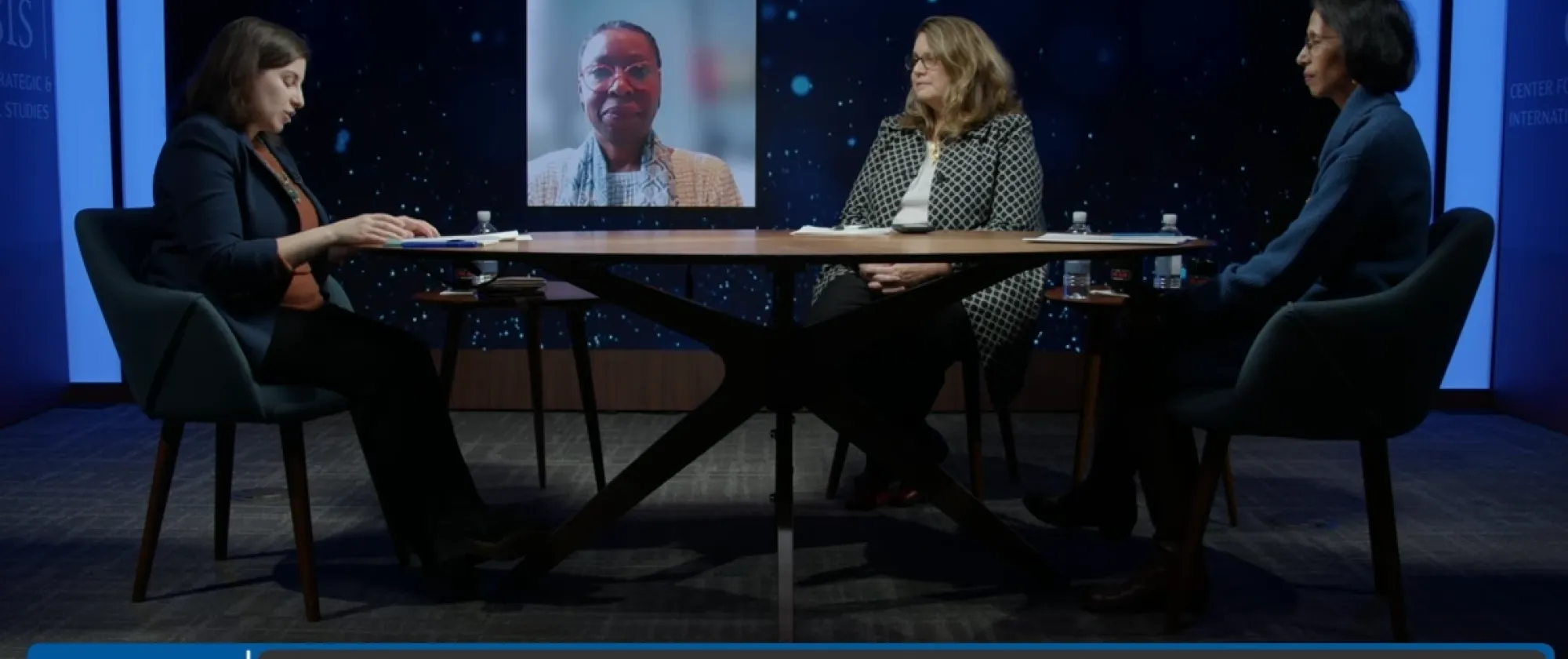
Washington, D.C., USA (ILO News) - On December 4th, the Center for Strategic International Studies (CSIS) hosted a virtual event addressing the harsh realities faced by care workers, particularly regarding gender-based violence and Harassment (GBVH). This discussion featured an esteemed panel, including Chidi King, Branch Chief of the Gender, Equality, Diversity & Inclusion (GEDI) team for the ILO; Bama Athreya, Deputy Assistant Administrator for USAID; and Robin Runge, Distinguished Professorial Lecturer in Law, George Washington University Law School. Opening remarks were delivered by Representative Jan Schakowsky (D-IL), Founder of the Congressional International Workers Rights Caucus and a staunch advocate for global gender equality.
This event coincided with the 16 Days of Activism Against Gender-Based Violence, a global campaign that aims to raise awareness and mobilize action to end all forms of violence against women and girls. Care workers, who are essential to society's well-being, frequently experience unsafe working conditions that exacerbate their vulnerability to harassment and violence. This issue is further compounded by the fact that many care workers operate within informal sectors or without pay, often lacking social and labor protections.
The Care Economy: A Crisis of Vulnerability
As Representative Schakowsky emphasized, "700 million women and girls are victimized because of gender violence. We're going to have to make a serious campaign to raise this issue to make life safer." Schakowsky is a leading champion of the proposed International Violence Against Women Act (IVAWA), which would integrate GBVH prevention into U.S. foreign policy. Additionally, she would like to see special protection for caregivers and care recipients alike.
Globally, 2.3 billion people will rely on care in the near future – a reality that underscores the importance of recognizing care work as a societal cornerstone. Yet, as noted during the discussion, caregivers – particularly women – remain disproportionately undervalued, unprotected, and subjected to heightened risks of GBVH. The COVID-19 pandemic brought these issues into sharp focus, revealing systemic inequalities and vulnerabilities within the care economy.
ILO Leadership on Care and in Combating GBVH in the Workplace
The ILO has long recognized GBVH as a significant workplace issue. Chidi King underscored the ILO's efforts, particularly through the landmark Convention 190 on violence and harassment in the world of work. Ratified by 45 countries, C190 provides a comprehensive framework, including to address GBVH, across all sectors.
Additionally, the ILO's 2024 Resolution on Decent Work in the Care Economy urges governments to adopt policies that address the unique risks faced by care workers and promote equity in care-related employment.
King highlighted the ILO's ongoing work to support governments, workers, and employers in implementing policies to combat GBVH, including assisting countries in aligning national legislation with international standards; developing tools and training to help employers identify and address GBVH in the workplace; and by partnering with other organizations to create cross-sectoral solutions.
King also promoted the ILO 5R Framework on Care, which outlines a comprehensive approach to addressing the challenges in the care economy. It emphasizes the need to recognize and value care work and to create equitable, sustainable solutions for caregivers. The Five Rs stand for:
1. Recognize
- Acknowledge the importance of care work (both paid and unpaid) as a critical contribution to society and the economy.
- Highlight the disproportionate burden of unpaid care work on women and its impact on gender equality.
2. Reduce
- Minimize the burden of unpaid care work through better infrastructure, public services, and technology.
- Promote shared responsibility between men and women, families, and society at large.
3. Redistribute
- Ensure care responsibilities are more equitably distributed between genders, within households, and between families and the state.
- Advocate for public policies that support shared caregiving, such as parental leave and affordable childcare.
4. Reward
- Value care work by ensuring decent working conditions, fair wages, and social protections for paid care workers.
- Include care workers in formal labour policies and extend rights, such as collective bargaining and occupational safety.
5. Represent
- Support the collective organization of care workers to ensure their voices are heard in policy discussions and decision-making processes.
- Promote the participation of caregivers in shaping workplace policies, social protections, and broader labour strategies.
USAID's Interventions on GBVH and in the Care Economy
Bama Athreya described the U.S. government's proactive role in addressing GBVH in the care economy. Key initiatives include:
- The National Plan to End Gender-Based Violence, which outlines strategies for preventing GBVH, supporting survivors, and addressing economic vulnerabilities.
- Investments in community-based healthcare systems to protect care workers from harassment and trauma.
- Partnerships with organizations to advocate for collective bargaining rights and to foster leadership among women in the care sector.
Athreya emphasized that neglecting the care economy is not only a moral failure, but also an economic and public health risk. The pandemic underscored how essential care workers are to societal resilience, yet many lack basic protections and resources.
Stories from the Frontlines of Care
Professor Robin Runge describe the prevalence and risk factors for GBVH in the care economy, noting that 76% of domestic workers worldwide identify as women, the majority of whom report experience sexual violence, harassment and discrimination according to the International Domestic Workers' Federation. The isolation inherent in caregiving roles, particularly domestic workers working in private homes, amplifies these risks. Runge praised the resilience of the multi-year women worker-led campaign leading up to ILO Convention 190, adopted in 2019 to eliminate violence and harassment in the world of work, including GBVH, and brought international attention to the economy's vulnerabilities.
Runge also stressed the need to rethink societal norms and systems that undervalue caregiving work. "The care economy isn't just about paid labor -- it's about recognizing and supporting unpaid care responsibilities, too," she said. "It's some of the most important work in the world."
Toward a Safer, Fairer Future for Care Workers
The panelists agreed on the importance of collective action to address GBVH and ensure care workers are recognized, valued, and protected. This includes robust data collection, survivor-centered policies, and sustainable investments in care infrastructure.
The ILO, USAID, and other international stakeholders are leading the charge, but continued global collaboration is needed to make caregiving work safe, equitable, and dignified. People should feel safe at work. This is a moral and economic imperative.
Related content

UN Women - ILO Policy Tool
A guide to public investments in the care economy
ILO Policy Brief
Centering reward and representation for domestic workers in the care economy

International Day for Care and Support
Caring for those who care for us: ILO Director-General message