

Digital Tool
TREEpedia: Training for Rural Economic Empowerment
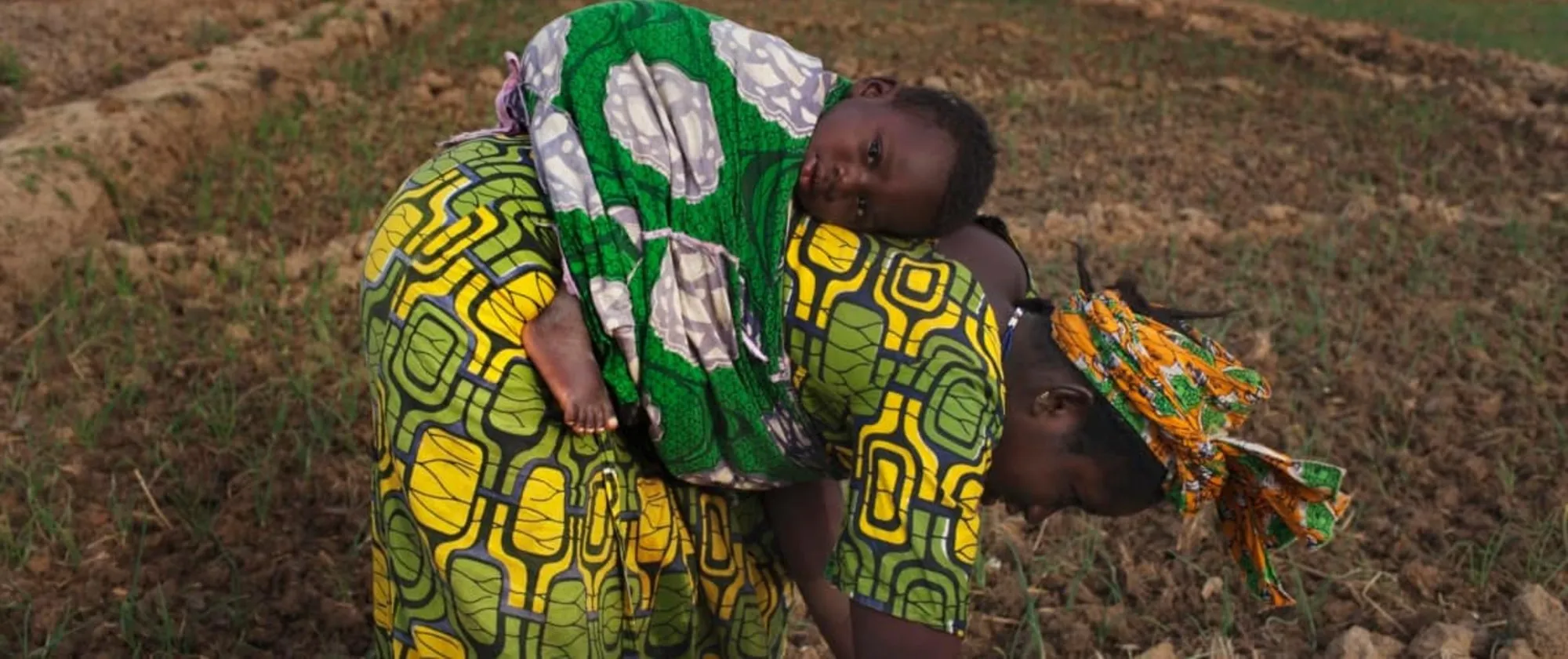
The "Training for Rural Economic Empowerment" (TREE) is an ILO flagship methodology to foster inclusive community-based vocational training and employment creation in rural settings. With its national partners, the ILO provides training to empower vulnerable women and men to have greater control over their lives in rural areas.
The TREE methodology supports rural developers in institutionalizing rural development programmes, by identifying local employment and income-generating opportunities, designing and delivering appropriate training programmes, and selecting and providing the necessary post-training support. So far, the methodology has been implemented successfully in more than 20 countries.
The TREEpedia digital tool makes the TREE methodology more user-oriented, accessible and easier to share. It includes a summary of the methodology (26 pages), 6 instructional videos and over 60 hands-on tools to support its implementation and any community-based rural development programmes. Please use the left menu to know more about the various Treepedia tools. All tools are available on the “Resources” page.
Introduction to the TREE methodology
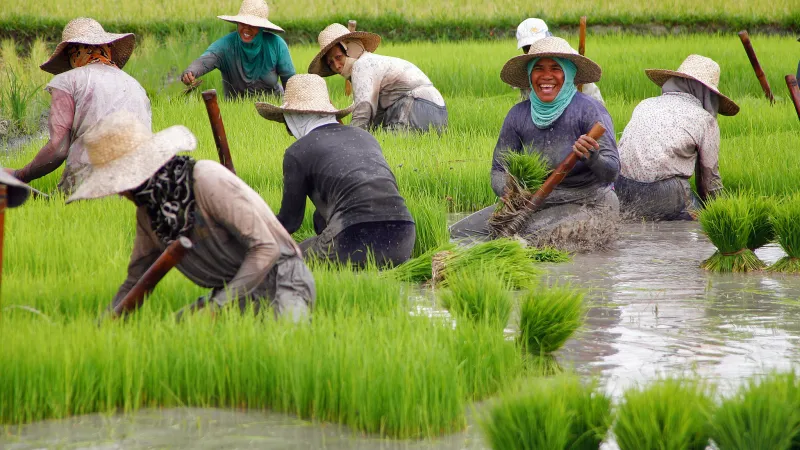
An approach to developing projects and long-term programmes that provide training to enable poor women and men to have greater control over their lives.

Launching a TREE programme
First steps in launching a TREE program.

Assessing economic opportunities and training needs
The defining feature of the TREE methodology is that it grounds all training and post-training support in a careful, thorough, and participatory analysis of realistic employment and self-employment.
Training design, organization, and delivery
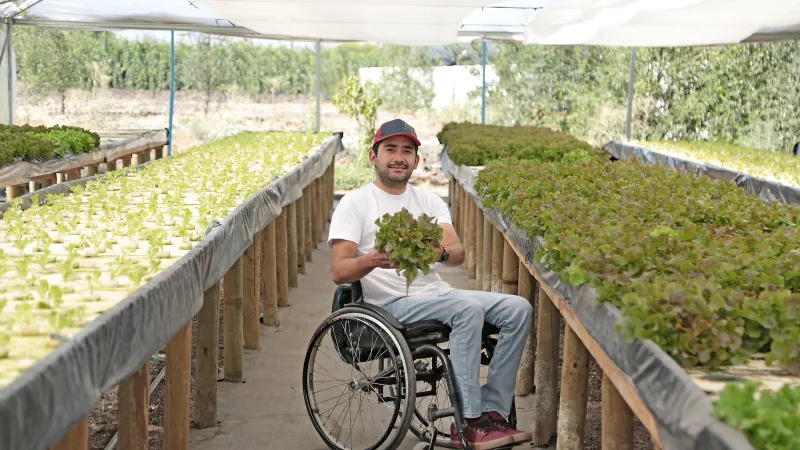
How skills and entrepreneurship training to meet the skills needs identified in assessing economic opportunities and training needs is designed, organized and delivered.
Post-training support for micro-enterprise development and wage employment
