

Topic portal
Informal economy
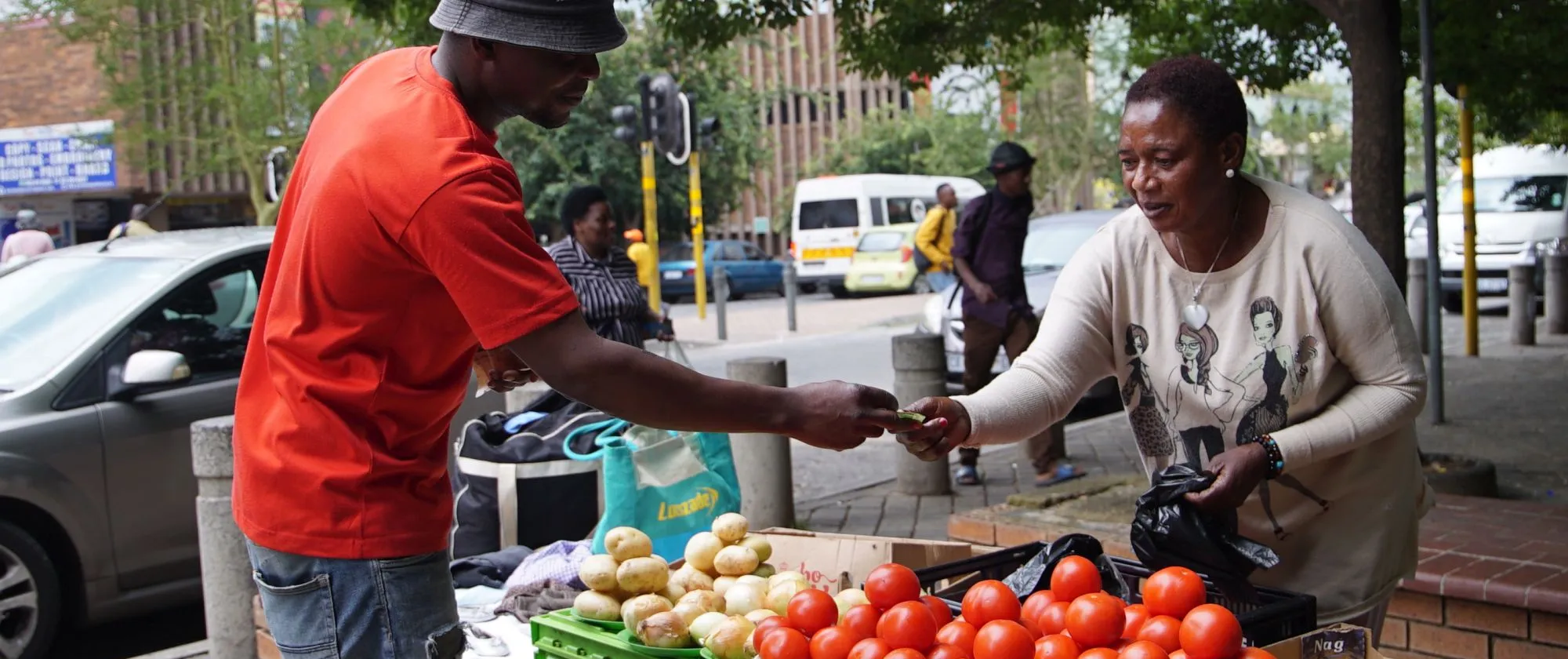
Over 60 per cent of the world’s workforce and 80 per cent of enterprises operate in the informal economy. Contrary to earlier forecasts, informality is rising in many countries, often accompanied by widespread poverty and severe decent work deficits. Without formalization, achieving decent work for all and social equity remain an illusion. Formalization is a complex, long-term process requiring a combination of legal and regulatory reforms alongside measures to boost productivity and wealth creation. For many workers, reducing decent work deficits is the first step toward progressive formalization.
In 2015, the ILO adopted the Transition from the Informal to the Formal Economy Recommendation, a powerful instrument to advance the Sustainable Development Goals (SDGs). In recent years, an increasing number of countries have introduced strategies and policies to facilitate this transition, while social partners are strengthening their engagement with workers and enterprises in the informal economy.
Experiences from countries that have significantly reduced informality show that progress is possible - and achievable.Normative framework for the transition to formal economy
Discover ILO's key normative instruments guiding global efforts to reduce informality and advance decent work for all, in support of the transition to formal employment.
News and stories
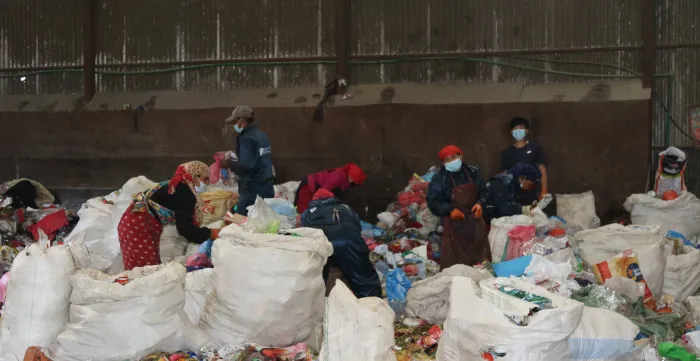
Advancing formalization and decent work for domestic and waste management workers in Nepal’s informal economy
Article
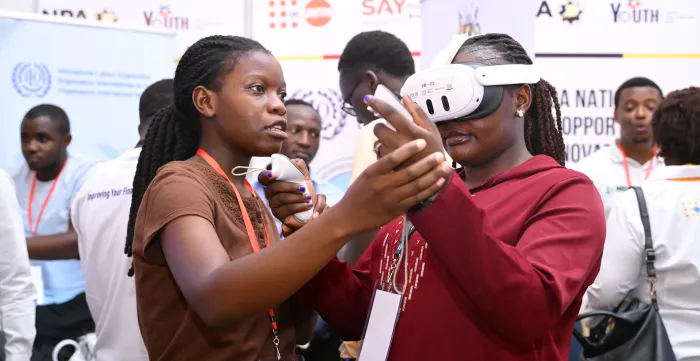
How virtual reality is helping Uganda's youth prepare for the world of work
Latest publications and documents
Using firm-level and integrated data sources for enterprise policy development
Policy brief
Preventing and addressing violence and harassment in the informal economy and through formalization: promising practices
Policy brief
Preventing and addressing violence and harassment in the informal economy and through formalization: key principles
Projects
Informal economy
W2W: WASTE TO WORTH – Transforming Informal Waste Work into Decent Livelihoods

Advancing social protection
EU for Haya Karima

Project
Fostering an Enabling Environment for MSMEs to Promote Responsible Value Chains (FEE-RVC)
Data and statistics
ILO Dashboard on informality
This interactive Power BI data dashboard provides informal employment rates across sectors and countries, revealing trends and progress.
Country and regional profiles on informality
Regional and country profiles provide key data and insights on informality, identifying opportunities for policy makers, researchers, and development practitioners to support the transition.
The informal economy indicator framework
These indicators measure and describe informality across people, jobs, activities, and sectors, supporting consistent analysis, international comparability, and evidence-based policy making.
Best practices innovative approaches (coming soon)
Innovative approaches to formalization
Innovative formalization strategies address informality’s harm by strengthening laws, expanding social protection and supporting sustainable enterprises for fairer economies.
Learning, training and methodologies

ILO Helpdesk for Business on International Labour Standards

Training Programmes on formalization

Methodological note on diagnosis of informality
Related content

WSSD2 Brief
Accelerating the transition to formality for decent work and social justice

Enterprise Formalization

Synthesis review of ILO evaluation reports on formalization interventions undertaken between 2018 and 2024 with insights on innovative...