

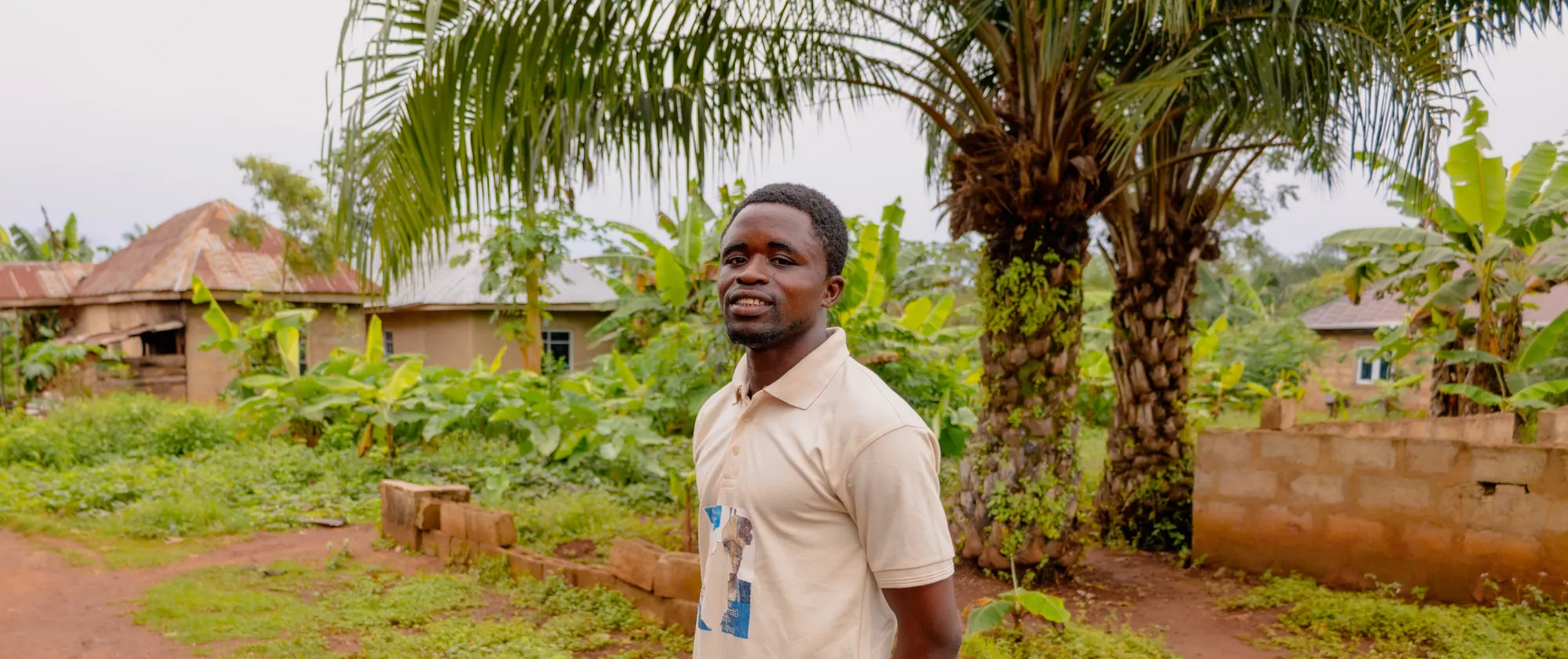
Nuestro impacto, su historia
Del trabajo infantil al trabajo cualificado: el viaje de Orifa Taiwo
Obligado a abandonar la escuela a los diez años, Orifa Taiwo pasó su infancia trabajando en granjas para ayudar a su familia a sobrevivir. Hoy en día, es sastre, tiene su propia tienda y ha renovado su sentido de la vida. En esta historia en primera persona, Orifa cuenta cómo el proyecto ACCEL África de la OIT, financiado por el Ministerio de Asuntos Exteriores de los Países Bajos, le ayudó a romper el ciclo de la pobreza y a construir un futuro con dignidad, esperanza y trabajo decente.
4 de febrero de 2026
My name is Orifa Taiwo. I am 22 years old. My life was very tough. I came from a poor family in Nigeria, and from a very young age I knew what suffering meant.
When I was ten years old, I dropped out of primary school. My parents did not have money. There was no one to support us. My father was struggling, and the family was poor, so I had to follow them to the farm. I started working just to get something to bring home, so that we could eat.
Every day, when I saw my old classmates coming back from school, I was always very sad. I used to ask myself, “Why am I in this poor family?” They were going to school, learning, building their future, and all my days were spent on the farm. I really wanted to go to school. One day, I decided to go back to my class even though I had not paid my school fees. My teacher chased me away. I begged them. I told them my parents did not have money but they refused to let me stay. Then I went home and found nobody there. They had gone to the farm. So I went back to the farm again, to work.
The next day, I tried again. I went to school and begged them just to let me sit in class for that day. They refused again. That was when I decided that maybe education was not for me.
From that time, my life became only work. I woke up around five in the morning and went to the farm. We worked early so we could come back home quickly. On the farm, we did "banga" work. We picked palm fruit, carried it home, cooked it, and processed it into red oil to sell. In the evening, after the farm, I went to do more work. I fetched water, I carried blocks on construction sites, and sometimes I worked from morning until evening without eating anything. When I came home, all I had was Garri (a staple food made from fermented, roasted cassava flakes) and water. The next day, I went back to the farm again.
I did this from the age of ten until I was sixteen.
During this time, my father was also struggling. He borrowed money just to survive. When he fell sick we did not have money to take him to the hospital. In the end, I lost my father and later on I also lost my elder brother. I became the only man in the family. At that time, I felt like giving up. I felt like maybe I had nothing to do in life. I even thought maybe I should die too, because the suffering was too much.
One of our community leaders always saw me going to the farm. He knew I liked school. One day, he asked me why I had not been to school for years. I told him my story. He told me everything would be fine. Later, he told me that some people were coming to our community to help us. At first, I was afraid. We had seen people come before who lied to us, collected money, and disappeared. But he told me not to worry and asked me to attend the meeting.
At the meeting, they told us they were from the ILO and asked us what we wanted to do. Some children were going back to school, but I was already too old to start primary school again. They asked me about my interest. I told them I wanted to be a tailor. Fashion was my hobby and I had always loved it.
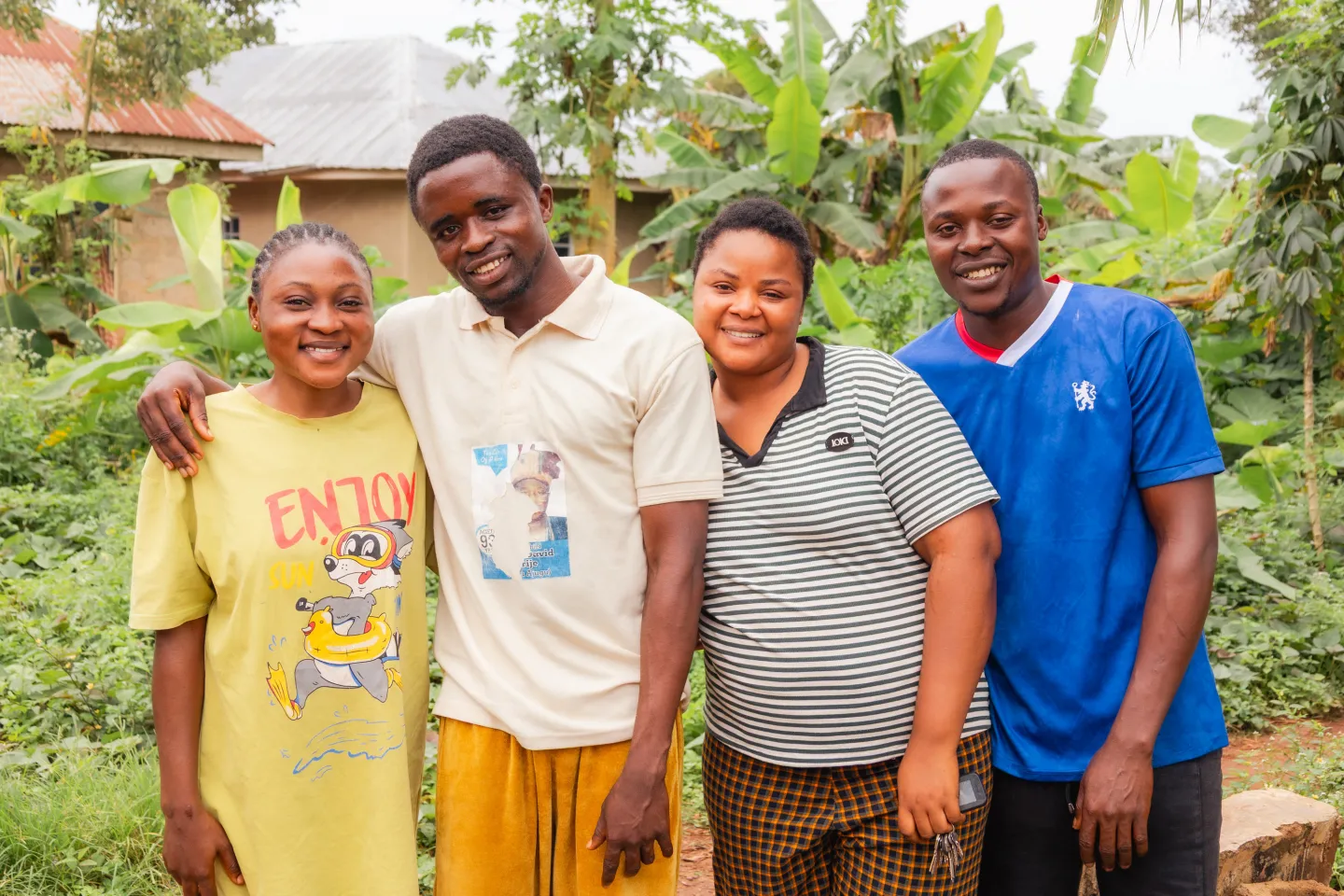
They took us to learn a skill and that's how I started learning tailoring. At first, I was afraid I would make a mistake and be kicked out. I was asking myself, "Will this thing work?" My instructor kept telling me to calm down, that everything would be fine. Soon, I learned how to cut and sew, and we trained for months.
After the training, we attended a seminar where they taught us many things about running your own business. Then one day, they gave us our own equipment. When I saw the sewing machine, I could not believe it. I carried it home and showed my mother. She was shocked and asked me, “Is this real?”
That sewing machine changed my life.
When I got the machine, it gave me hope again. But I knew six months was not enough to become a good tailor. So I decided to learn more. I went to work in another shop and learned for one more full year. I was patient and listened and worked hard because I wanted to be my own boss one day and bring food to the table for my family, especially for my mother who had suffered so much.
Today, I have my own shop. I am the CEO of myself. I no longer go to the farm to suffer. I no longer fall sleep hungry. I have a skill, I have dignity, and I have hope.
Before, I thought my life had ended because I dropped out of school and lost my father. Today, I know my life has meaning. Tailoring gave me back my future. This programme changed my story and changed my community. So I want to use this opportunity to appreciate the people who brought this ACCEL programme to us. They brought good things to our community.
I pray that God will bless them for what they have done for me and for others like me. Because of this opportunity, I can now dream again.

Find out more:
- ACCEL Africa is tackling child labour in Nigeria's cocoa sector by promoting business development and formalization.
- The project also works with vulnerable communities to teach them about the risks children face in farming and the importance of education.
- ACCEL Africa is also supporting Nigeria's efforts to expand social protection to cocoa farmers, miners, and informal workers at risk of child labour. This includes updating social registers, expanding health insurance coverage, and through cash transfers in Ondo and Osun States.
- ACCEL Africa is funded by the Ministry of Foreign Affairs of the Netherlands.
Más información:
- ACCEL Africa está abordando el trabajo infantil en el sector del cacao de Nigeria mediante la promoción del desarrollo empresarial y la formalización.
- El proyecto también trabaja con comunidades vulnerables para enseñarles los riesgos a los que se enfrentan los niños en la agricultura y la importancia de la educación.
- ACCEL Africa también apoya los esfuerzos de Nigeria para ampliar la protección social a los agricultores de cacao, los mineros y los trabajadores informales en riesgo de trabajo infantil. Esto incluye la actualización de los registros sociales, la ampliación de la cobertura del seguro médico y las transferencias de efectivo en los estados de Ondo y Osun.
- ACCEL Africa está financiada por el Ministerio de Asuntos Exteriores de los Países Bajos.
Contenido relevante

Marruecos acogerá la Sexta Conferencia Mundial sobre la Eliminación del Trabajo Infantil, del 11 al 13 de febrero de 2026