

Thematic page
Cooperatives, the broader social and solidarity economy and crisis situations
Why crisis situations matter
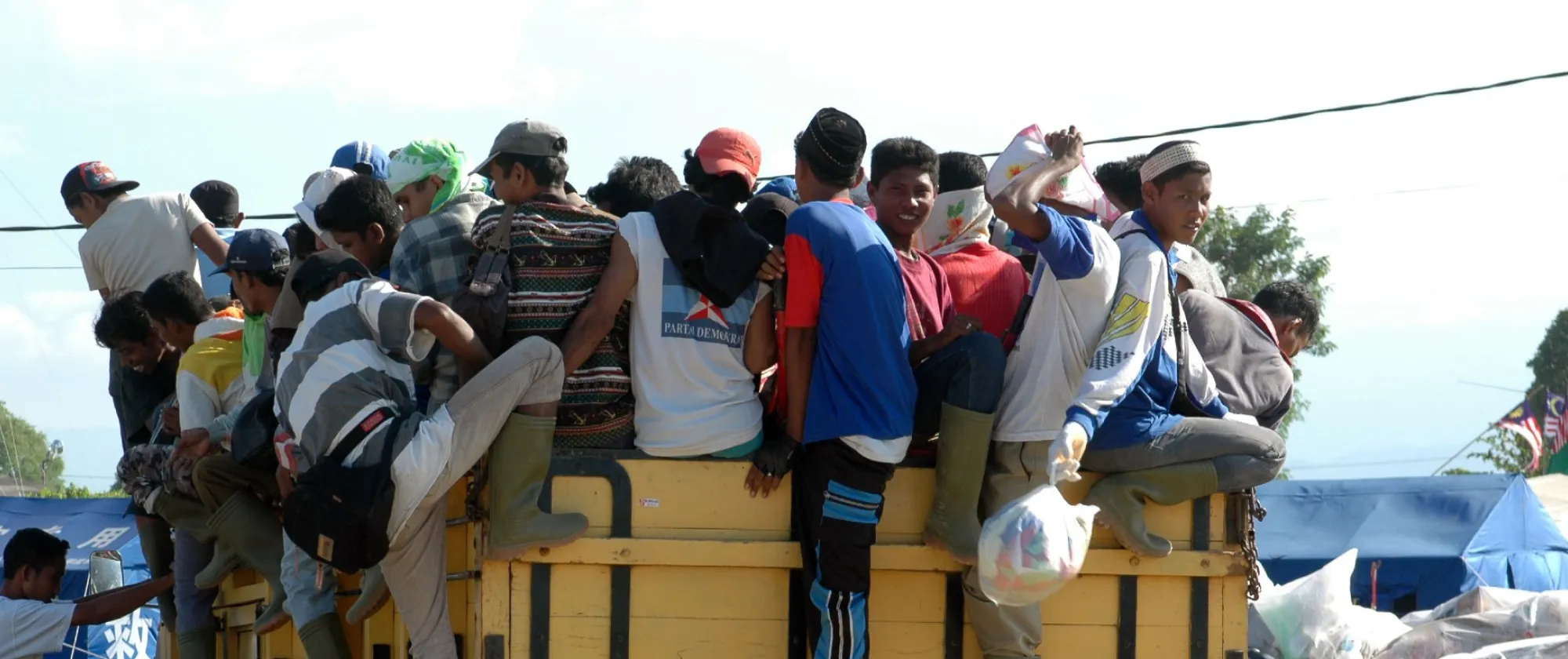
Crises resulting from conflict, disasters and other shocks can severely disrupt social and economic systems, weaken institutions, destroy livelihoods, and exacerbate decent work deficits. They often lead to displacement, reinforce patterns of exclusion and reduce access to protection, services and opportunities. These impacts are not experienced equally: women, young people and others already facing discrimination, marginalization or situations of vulnerability are often disproportionately affected.
Promoting decent work in crisis situations requires inclusive, rights-based and coordinated responses across the humanitarian-development-peace nexus. Such approaches help build resilience, foster social dialogue and meaningful participation, strengthen institutions and systems and contribute to preventing further crises, supporting sustainable recovery and advancing peace.
How the social and solidarity economy contributes
The social and solidarity economy (SSE) offers people-centred, values- and principles-driven approaches that support recovery while strengthening long-term resilience, social cohesion. and peaceful societies. As recognized in the ILO Recommendation No. 205 on Employment and Decent Work for Peace and Resilience, cooperatives and other social and solidarity economy entities play an important role in promoting employment, decent work and sustainable livelihoods in crisis contexts. Guided by values and principles such as solidarity, democratic or participatory governance, autonomy and the primacy of people and social purpose over capital, SSE entities enable collective action, help stabilize livelihoods and expand access to employment, social protection and financial and social services.
They support transitions to the formal economy while addressing inequalities and reinforcing social cohesion. In crisis and post-crisis settings, SSE entities promote trust, inclusion and mutual support, enhances equal opportunities and representation and creates sustainable pathways for reintegration and empowerment. By fostering dialogue, cooperation and local ownership, SSE entities can help strengthen resilience, support peaceful coexistence and address underlying drivers of fragility, exclusion and inequality. Their contributions help rebuild inclusive economies and societies grounded in cooperation, social justice, decent work and environmental sustainability.
What the ILO does
The ILO works with governments and employers’ and workers’ organizations to strengthen the enabling legal, policy and institutional environment for the social and solidarity economy in crisis-affected contexts. It supports integrated and participatory strategies that harness the SSE’s contribution to inclusive recovery, resilience and the realization of rights. The ILO provides policy guidance, facilitates institutional capacity development and promotes knowledge exchange on effective SSE practices in crises contexts. Its support helps address decent work deficits, reduce informality, empower crisis-affected populations, promote equality and sustainability and ensure that crisis responses are grounded in the principles of human dignity, solidarity and social justice.
Featured content
Global Synthesis Report
Review of national policy, legislative and regulatory frameworks and practice
Publication
Integrated enterprise, cooperative and financial services assessment on refugees and host communities around Jigjiga, Somali Region, and...
Publication
Employment and decent work in refugee and other forced displacement contexts
Publication
Mapping responses by cooperatives and social and solidarity economy organizations to forced displacement
Content by type
Country highlights

Hub page: The social and solidarity economy and thematic areas
Find more of the ILO social and solidarity economy thematic areas and get access to relevant resources, initiatives and examples of how the SSE contributes to these thematic areas.
Stay tuned
To keep informed of the latest update of our SSE thematic pages, you can:
- Visit ILO topical portals on cooperatives www.ilo.org/coop & the SSE www.ilo.org/sse;
- Sign up for ILO COOP/SSE monthly newsletter (previous ILO COOP/SSE newsletters available here);
- Follow @ILOCOOPSSE on LinkedIn, X, Facebook and Instagram.
Related content
Strategic results
How did the ILO advance the social and solidarity economy in 2024–25?

ILO Guidance and resources
The social and solidarity economy: Law and policy
ILO Guidance and resources
Cooperatives and the social and solidarity economy: Education and training

Cooperative, Social and Solidarity Economy
Spotlight Interviews with Co-operators