

All publications: forced labour + trafficking in persons

2025 Observance of recruitment and working conditions in the cotton harvest in Turkmenistan
This report presents the findings from the ILO’s observance of the 2025 cotton harvest, with a particular focus on progress and remaining challenges in the prevention of child labour and forced labour.

First edition
Identification of State-imposed forced labour: guidance for practitioners
This guidance provides practitioners with a practical framework for identifying State-imposed forced labour in line with ILO Conventions Nos. 29 and 105. It explains the legal foundations of State-imposed forced labour, outlines structural risk...

Reporting on forced labour, fair recruitment, and labour migration: An ILO toolkit for journalists - ECOWAS contextualized edition
This toolkit provides practical guidance for journalists reporting on forced labour, fair recruitment, and labour migration in the ECOWAS region. It aims to support more accurate, balanced, and evidence-based media coverage, helping to counter...

Costa Rica
Addressing Forced Labour and the Labour Dimension of Responsible Business Conduct
In Costa Rica, the ILO developed the Fair Recruitment Toolbox for the sugar industry that included guidelines for preventing and addressing forced labour risks hence ensuring alignment with the local context related to labour recruitment practices...

Research brief
The potential of import bans to address forced labour
This research brief examines the growing use of forced labour import bans as a policy tool to address labour rights abuses in the global economy. It provides an evidence-based overview of how such bans operate in practice, their potential impacts on...

Forced labour
Global estimates of modern slavery: Forced labour and forced marriage - Methodology
This methodology report outlines the statistical foundations of the 2022 Global Estimates of Modern Slavery: Forced Labour and Forced Marriage. Jointly produced by the ILO, Walk Free, and IOM, it documents the data collection, modelling, and...

Toolkit for surveys on decent work in marine fishing
This toolkit compiles survey instruments developed by the International Labour Organization (ILO) to assess decent work in marine fishing sector. The tools were piloted in Ghana, Indonesia, and South Africa and validated with national partners.

2024 Observance of recruitment and working conditions in the cotton harvest in Turkmenistan
The findings in this report highlight both the progress made in recent years and the areas requiring further improvement.

Understanding working conditions of fishers in Indonesia: Evidence from the 2024 Survey on Decent Work in Marine Fishing
This report presents the findings of Indonesia’s first-ever Survey on Decent Work in Marine Fishing, conducted by the ILO in collaboration with the Research Center for Population of the National Research and Innovation Agency (PRK-BRIN). The survey...

Study findings and recommendations
Mapping of the cotton supply chain at the community level in Pakistan: A report on selected districts in Punjab and Sindh Provinces
This reports seeks to better understand the status of fundamental principles and rights at work and the socio-economic context in the cotton producing communities in selected areas of Punjab and Sindh Provinces. Through evidencebased...
RISE project country factsheet
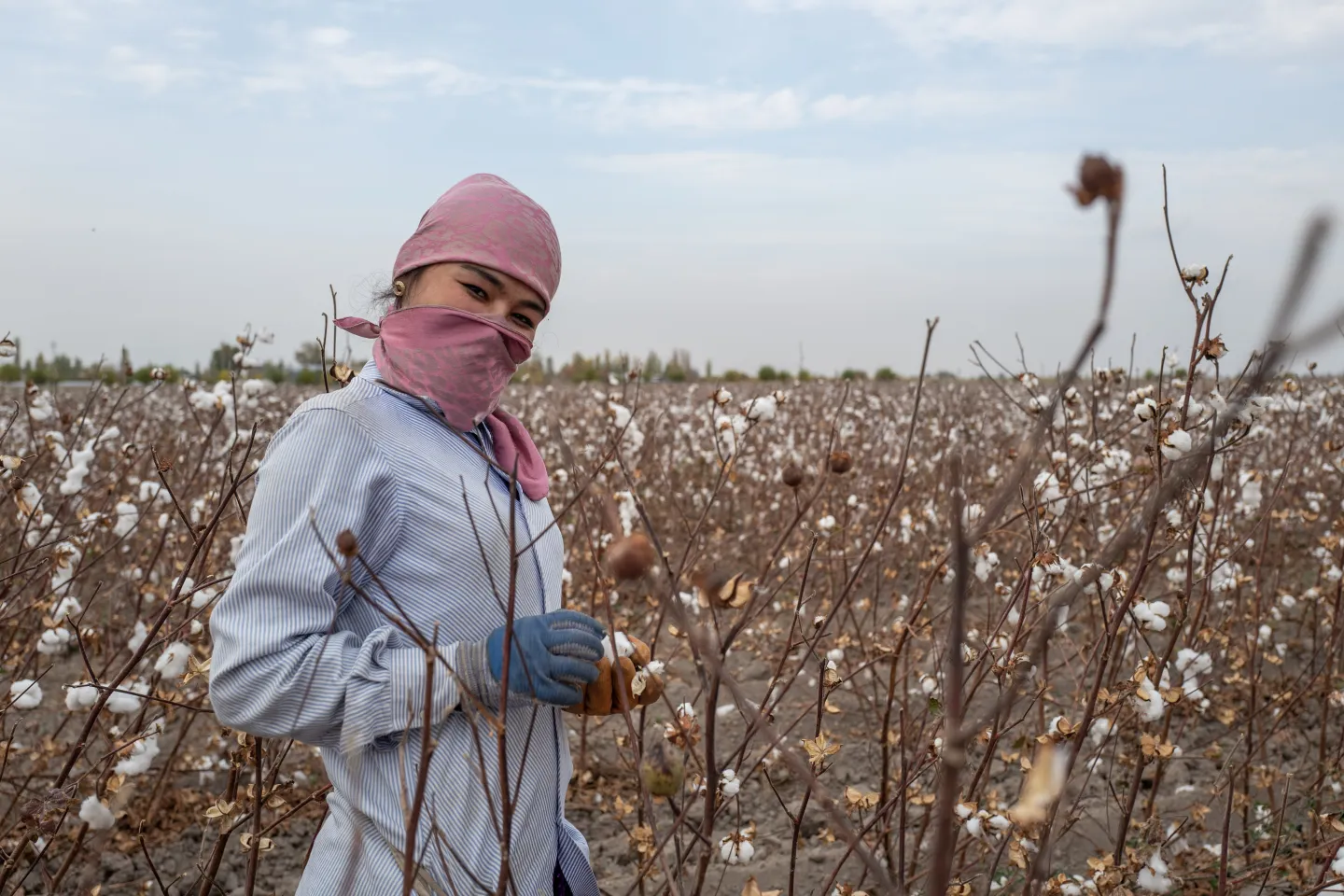
RISE for Impact in Uzbekistan: Fundamental principles and rights at work in the cotton supply chain – A new phase, a new vision
Funded by INDITEX, the project aims to address fundamental principles and rights at work (FPRW) in the cotton supply chain of Uzbekistan. It is part of the ILO joint Programme on Cotton, Textile and Garments, and will support the promotion of FPRW...

CAPSA project
Factors and impacts of the trafficking of girls from Karamoja region, Uganda into Kenya
This study is a call to action for governments, NGOs, and communities to address this transnational issue with targeted interventions.
Bridge Project II in Nepal
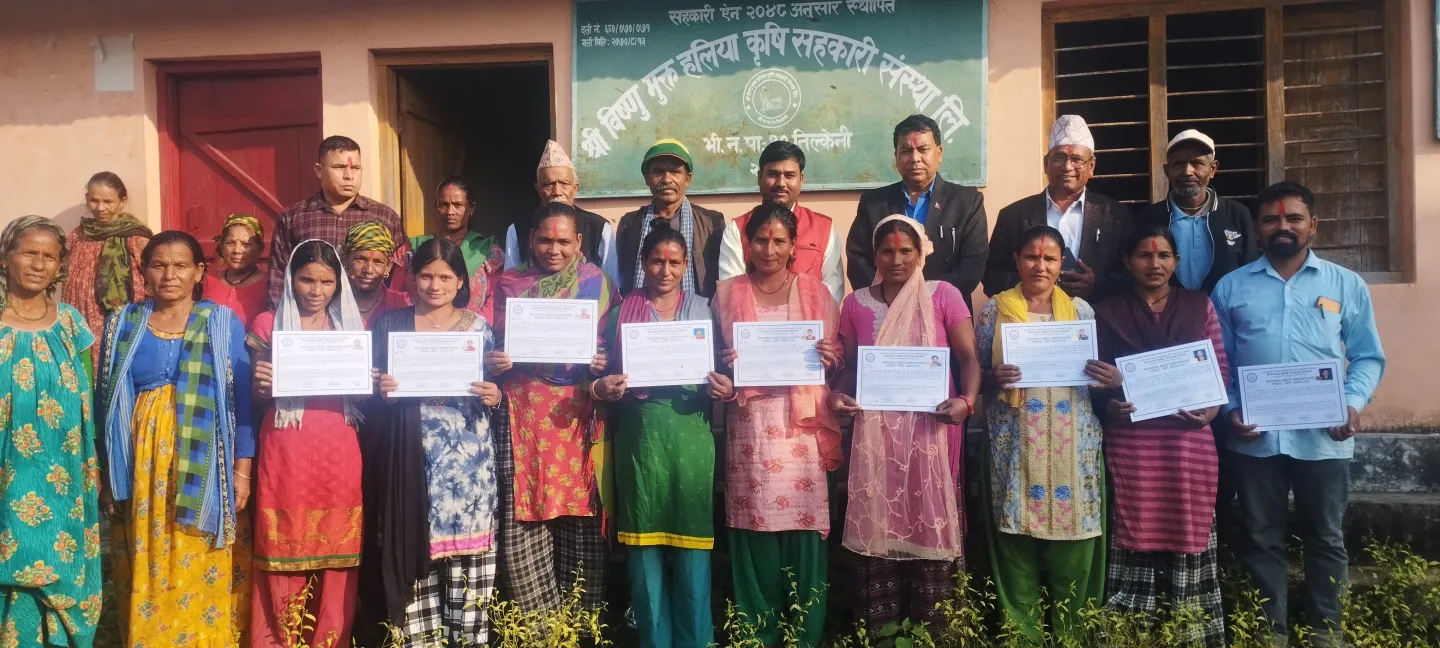
From Protocol to Practice: A Bridge to Global Action on Forced Labour (The Bridge Project II) in Nepal
The second phase of this project will continue raising awareness and building capacity to combat forced labour through policy advocacy, research, and technical assistance to the government and social partners through the implementation of national...

Fair recruitment
Global study on recruitment fees and related costs: Second edition
The second edition of the Global Study is a review of 110 countries across all five regions to document current regulatory approaches and experience on the recruitment fees and related costs. It assesses progress, challenges, and regulatory gaps and...

Fair recruitment
Executive Summary - Global study on recruitment fees and related costs: Second edition
This executive summary synthesizes the key finding of the second edition of the Global Study. It presents the trends concerning recruitment fees and related costs for countries, businesses, trade unions, and other recruitment stakeholders, as well...

Fair recruitment
Recruitment fees and related costs at a glance
This brochure presents key insights on global and regional data and trends on recruitment fees and related costs, including crucial information on measuring recruitment fees and related costs.

Discussion paper on the economics of forced labour
Acting against forced labour: An assessment of investment requirements and economic benefits
This discussion paper explores some of the key investment requirements towards ending forced labour and the economic returns to this investment for society. The paper fits within a broader programme of ILO research on the economics of forced labour...

Report
Forced Labour in Argentina’s Garment Sector: Key Prevalence Survey Insights
This report presents estimates of the prevalence of forced labour in the garment sector of the Buenos Aires Metropolitan Area. It aims to deliver critical information to aid in preventing labour exploitation and addressing issues related to decent...

Toolkit
Good work! Human rights and labor rights due diligence tools for the garment sector in Argentina
This set of human rights due diligence (HRDD) tools address the specific labor risks and production structures identified in the previous sectoral assessment. This document describes the tools specifically designed for the Argentinean garment...

Assessing compliance of the Mongolian armed forces with ILO Conventions Nos. 29 and 105 on forced labour
1 of 32