

Skills for transitions to formality
18 February 2019
Most young people around the world do not have the chance to attend formal institutions of learning. The capacity of formal education and training systems is often limited due to inadequate training infrastructures and the relatively high costs of full-time, centre-based training. Consequently, large numbers of youth are learning and then working in the informal economy. Informal apprenticeship systems that transmit the skills of a trade to a young person in a micro- or small enterprise have operated for generations in many countries. They are considered by far the most important source of skills training in Africa and South Asia.
Apprenticeships offer an important opportunity for young people to learn technical skills from master craftspersons at the workplace. They are inducted into a business culture and network, which makes it easier for them to find a job or start a business after they graduate. The objective of upgrading informal apprenticeship systems is to address the current weaknesses of the informal apprenticeship system and improve their potential to help young people transition into decent work, fostering improvements from within the scheme. Improved apprenticeships thereby contribute to the development of more dynamic economies.
Women and men in the informal economy often do not possess a formal proof of their skills. Skills acquired informally are not visible and hence are often not recognized by employers. Transitions to the formal labour market can also be facilitated if skills are assessed and recognized. Systems of Recognition of Prior Learning are being introduced by countries to offer access to further learning or to formal labour markets.
Related content

Regional workshop
Strengthening apprenticeship systems in the informal economy in Africa to promote quality, innovation and transitions to formality
Skills for Employment Policy Brief
Upgrading Informal Apprenticeship Systems
Upgrading informal apprenticeship - A resource guide for Africa
Tripartite Action for Youth Employment in Jordan
Assessing skills in the informal economy: A resource guide for small industry and community organizations
Case studies on skills assessments in the informal economy conducted by small industry and community organizations
Better Utilization of Skills for Youth through Quality Apprenticeships (BUSY)
Skills
Recognition of Prior Learning (RPL): Learning Package
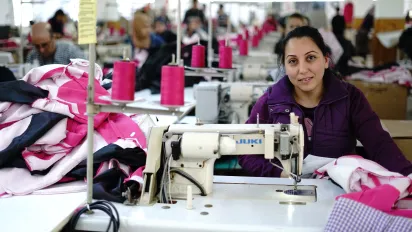
Formalizing access to the legal labour market through Recognition of Prior Learning (RPL) and certification for Syrians and Jordanians...
Lifelong Learning in the Informal Economy: A Literature Review
Research Brief: Lifelong Learning in the Informal Economy

ILO Working paper 49
How to strengthen informal apprenticeship systems for a better future of work?: Lessons learned from comparative analysis of country cases
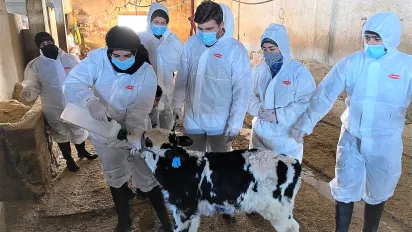
On-the-job training
ILO training initiative brings new agricultural skills to Lebanon’s Bekaa Valley
Employment Working Group
Improving skills and lifelong learning for workers in the informal economy to promote decent work and enhance transitions to formality
ILO Brief
Statistical Brief - Apprentices in countries with large informal economies