


Skills to combat forced labour
19 September 2024
Too many people remain trapped in a vicious cycle of low skills, poverty, and lack of opportunity. As a result, they can be vulnerable to some of the most severe forms of exploitation that prevail in the labour market, including forced labour. No country is immune to such practices. The latest Global Estimates indicate that 50 million people were living in modern slavery in 2021. Of these people, 28 million were in forced labour and 22 million were trapped in forced marriage.
Recent international instruments such as the ILO’s Protocol of 2014 to the Forced Labour Convention No.29, 1930, along with the Forced Labour (Supplementary Measures) Recommendation, 2014 (No.203) have placed a new emphasis on addressing the root causes of forced labour. In particular, they have highlighted the importance of educating and informing vulnerable groups to prevent forced labour and providing long-term economic reintegration support for victims, including through skills development. Education and training plays a key role in tackling some of the individual, structural and community factors that enable forced labour and prevent people from ‘breaking the cycle’ of vulnerability once they become victims.
The ILO has identified important avenues of intervention for skills development actors and stakeholders: raising awareness of at-risk groups, reducing vulnerability through improved access and delivery of training, coordinating with other service providers to ensure sustainable reintegration of identified victims into decent work. From TVET managers and policy-makers to classroom teachers and trainers, all have the opportunity, and the responsibility, to contribute to the eradication of forced labour.
Key resources
Policy brief
Combatting Forced Labour Through Quality Skills and Lifelong Learning
Infographic
Skills for a world free from forced labour
ITC ILO Course
MOOC on combating forced labour through skills and lifelong learning
Global guidelines
Economic reintegration of victims of forced labour through lifelong learning and skills development approaches
Global guidelines
Prevention of forced labour through lifelong learning and skills development approaches
Projects
SKILL-UP NIGER: Towards empowering women victims of modern slavery through skills development
Impact stories
ILO Voices
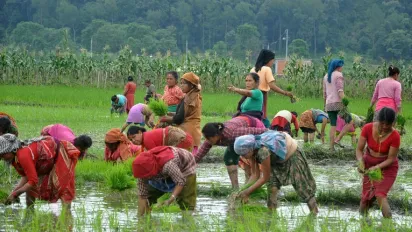
A future with hope, free from bonded labour
Article
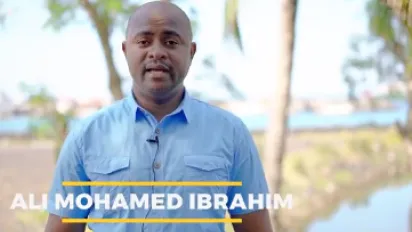
ILO announces the winner of the 3rd ILO Skills Innovation Call on Preventing forced labour in Africa
Our impact, their voices
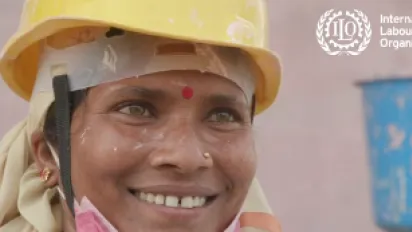
Eliminating bonded labour in Nepal: the example of the Bridge Project