

Youths empowered with new skills through Work-Based Learning initiative in Jordan
Hundreds of Jordanian and Syrian youths successfully concluded a work-based learning, readying themselves to enter the workforce with enhanced practical and technical skills. This initiative was provided by the ILO and the Jordan River Foundation and funded by the Netherlands.
22 May 2024
Amman, Jordan (ILO News) – The International Labour Organization (ILO) and the Jordan River Foundation (JRF) successfully concluded a work-based learning initiative for over 350 job-seeking Jordanian and Syrian youth across Jordan. They are now equipped with enhanced practical and technical skills across different sectors, gearing up to start a more solid professional career.
The initiative, the first of its kind in Jordan, aimed to facilitate the transition of the trainees to employment and enhance their competitiveness in the job market. This is achieved by providing theoretical training, coupled with real life on-the-job experience, skills and the opportunity to obtain official occupational licenses upon completion of the programme.
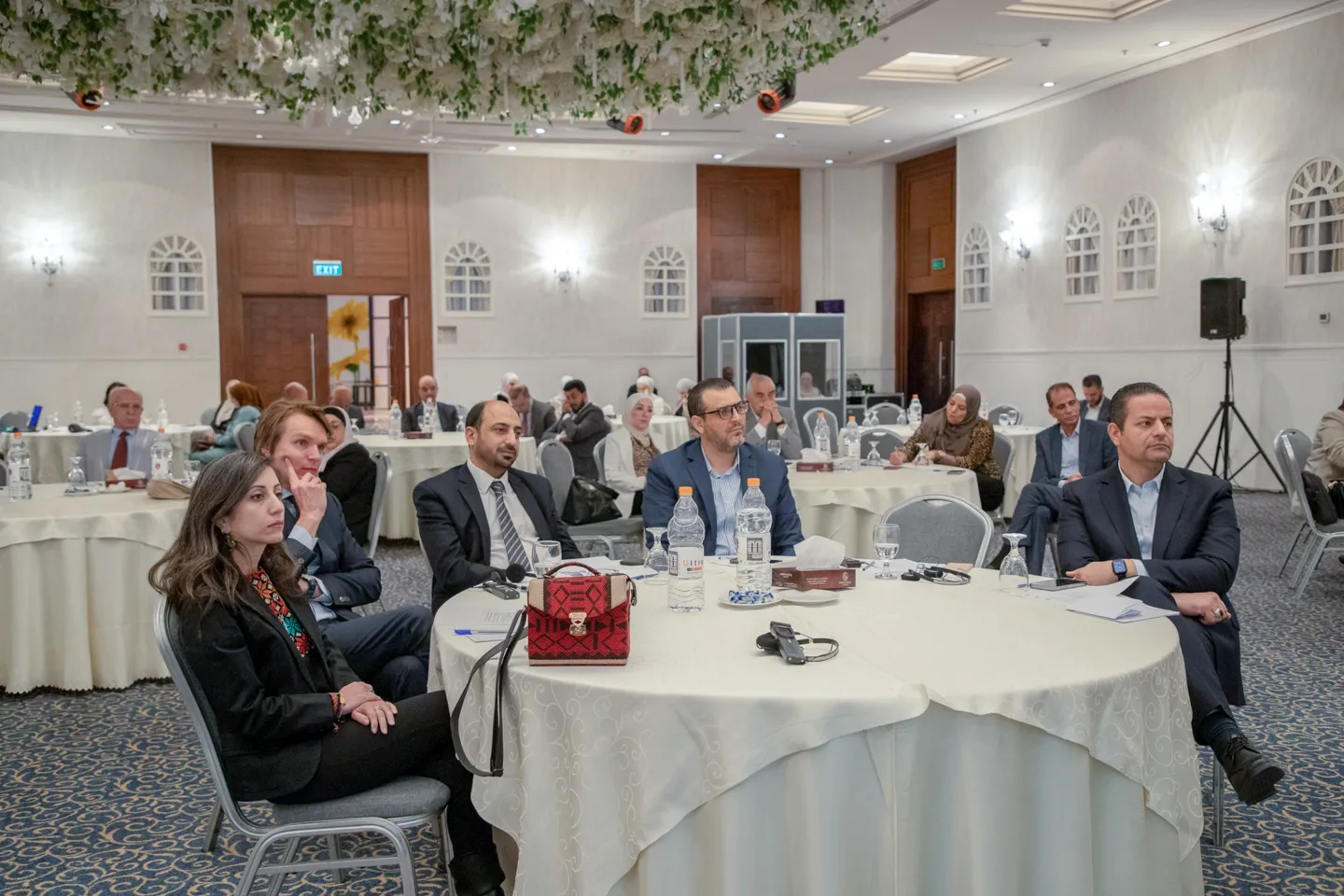
The youths benefitted from the “Promoting Work-based Learning (WBL) Programmes for Host Communities and Syrian Refugees in Jordan” initiative, which was carried out across the five governorates of Amman, Zarqa, Balqa, Mafraq, and Irbid between October 2023 and January 2024. The initiative ran under the PROSPECTS Programme umbrella, a global partnership supported by the Government of the Netherlands.
“Investing in enhanced prospects for Jordanian and refugee youths is a key element in the Netherlands’ support to Jordan. One prime example is the Work-Based Learning programme, supported by the Dutch-funded PROSPECTS partnership. This initiative demonstrates the Netherlands’ commitment to helping youths prepare for jobs that suit them,” said Pier de Vries, Deputy Head of Mission of the Embassy of the Kingdom of the Netherlands.

Work-based learning, including targeted apprenticeships, help jobseekers meet the skills demands of a fast-changing labour market, providing cost-effective training, promoting private sector development, and easing the transition to the world of work. It also helps explore the feasibility of public-private partnerships to support the integration of work-based learning programmes into national curricula.
“We are delighted to celebrate the completion of the training of hundreds of young women and men across the country,” said Dahlia Roque, ILO PROSPECTS Jordan Project Manager. “Creating opportunities for young people, regardless of gender, income, and background differences, is crucial for ensuring their access to decent employment opportunities and fulfilling careers. This is also a win-win situation for both job seekers and employers, who eventually benefit from a more qualified workforce.”
Trainees completed a diverse set of training programmes spanning different sectors, including agriculture, technology, chemicals and cosmetics, leather and textile industries, construction, logistics, water and energy, tourism and hospitality, and agri-food products.
The trainees had the chance to hone their occupational skills through targeted training stints in 29 Jordanian private sector companies located across the country.
“What distinguishes the work-based learning programme is that it is based on a methodology that is implemented in a real working environment in which goods are produced, and real services are provided, which increases the trainees’ chances of obtaining real job opportunities in their sector of choice, based on the available need,” said Mohamad Hourani, JRF Director of Programmes. “During this programme, the youths were also made aware of their rights and obligations, aimed at guaranteeing decent working conditions, securing sustainable jobs and generating income for their families.”
Twenty-two vocational instructors and 30 mentors were trained ahead of the project and later deployed to coach the trainees through around 3,000 on-site visits across the country.
The Technical and Vocational Skills Development Commission (TVSDC) and the National Employment and Training Company (NET) partnered with JRF during the implementation of the project.
“Today, the vocational and technical education and training sector plays a major role in achieving economic and social development in Jordan,” said Ayman Alwreikat, Director of the Accreditation and Quality Assurance Directorate at TVSDC. “This is evident through its active contributions as one of the essential pillars in driving economic growth. This requires providing various sectors with skilled and trained manpower from different educational levels and specializations needed by the labour market, ensuring quality and increased productivity.”
Over half the trainees were women.
Following the training, youths felt more confident about future job opportunities. Raghad Al Ahmad, a Jordanian trainee in solar panel installation said she chose this sector because it matched her experiences and qualifications.
“The training will qualify me to gain additional job opportunities and acquire skills and expertise in the field of solar heaters and energy,” she said. “I expect to find job opportunities in the solar heater sector after completing the training, thanks to the skills I have acquired. After the training, the occupational license will open doors for me to seize job opportunities in this field.”
Through this and other initiatives, the ILO and its partners are set to help increase youth employment in the country. Prior to COVID-19, the unemployment rate among young people in Jordan was 32 per cent, but this has increased due to the impact of the pandemic. According to the World Bank, unemployment for youth in the 15-24 age bracket reached over 46 per cent in 2022, affecting more than 63 percent of young women and 42 percent of young men in Jordan.