

Green entrepreneurship
Women entrepreneurs in Ethiopia turn green business learning into action
From poultry waste with potential for biogas to discarded plastics that could become new products, women entrepreneurs in Ethiopia’s Amhara region left an ILO-supported training with practical ideas to make their businesses greener, more resilient and competitive.
2 October 2026
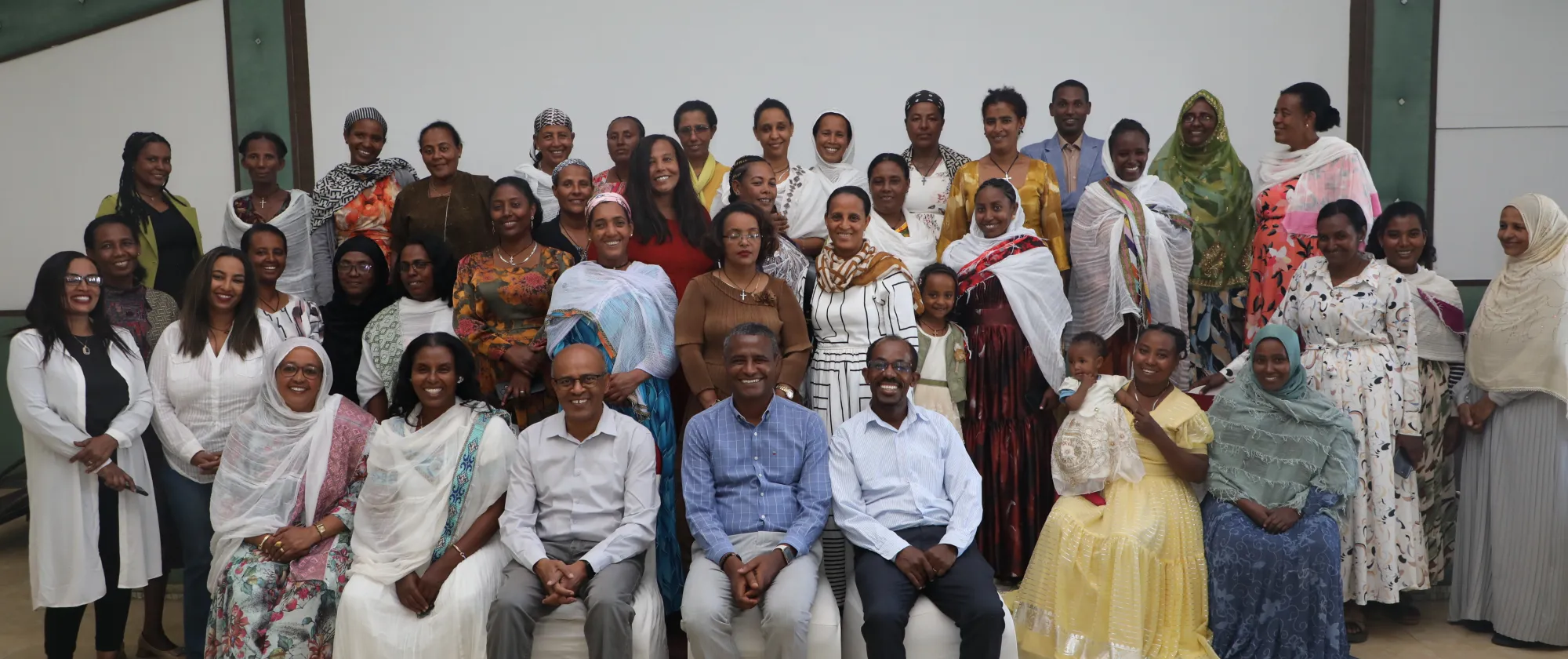
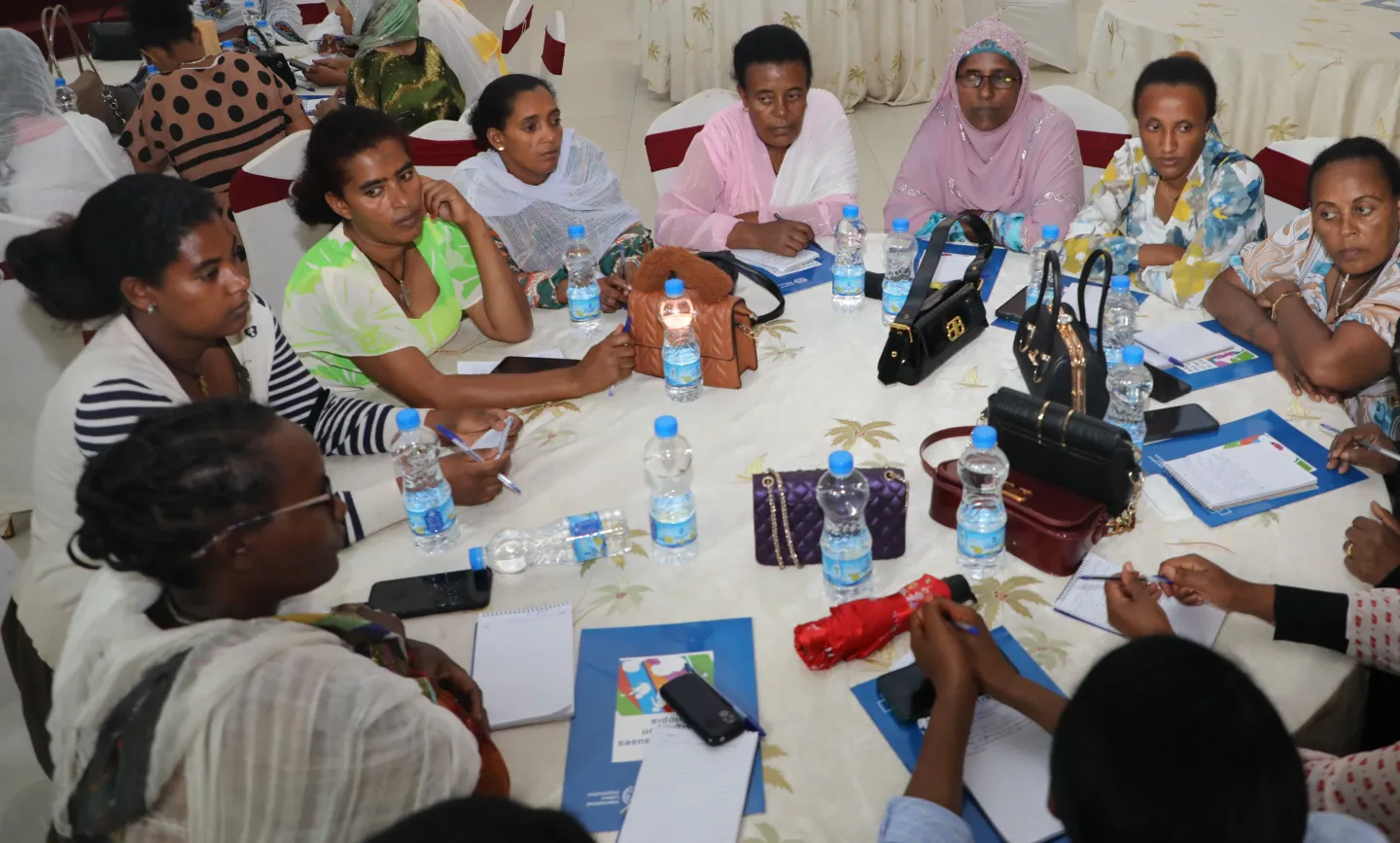
Bahir Dar, Ethiopia (ILO News) – Forty-five women small and medium enterprise (SME) owners and managers from across Ethiopia’s Amhara region strengthened their knowledge and skills to build greener, more resilient and competitive businesses following a four-day training on sustainable business practices in Bahir Dar.
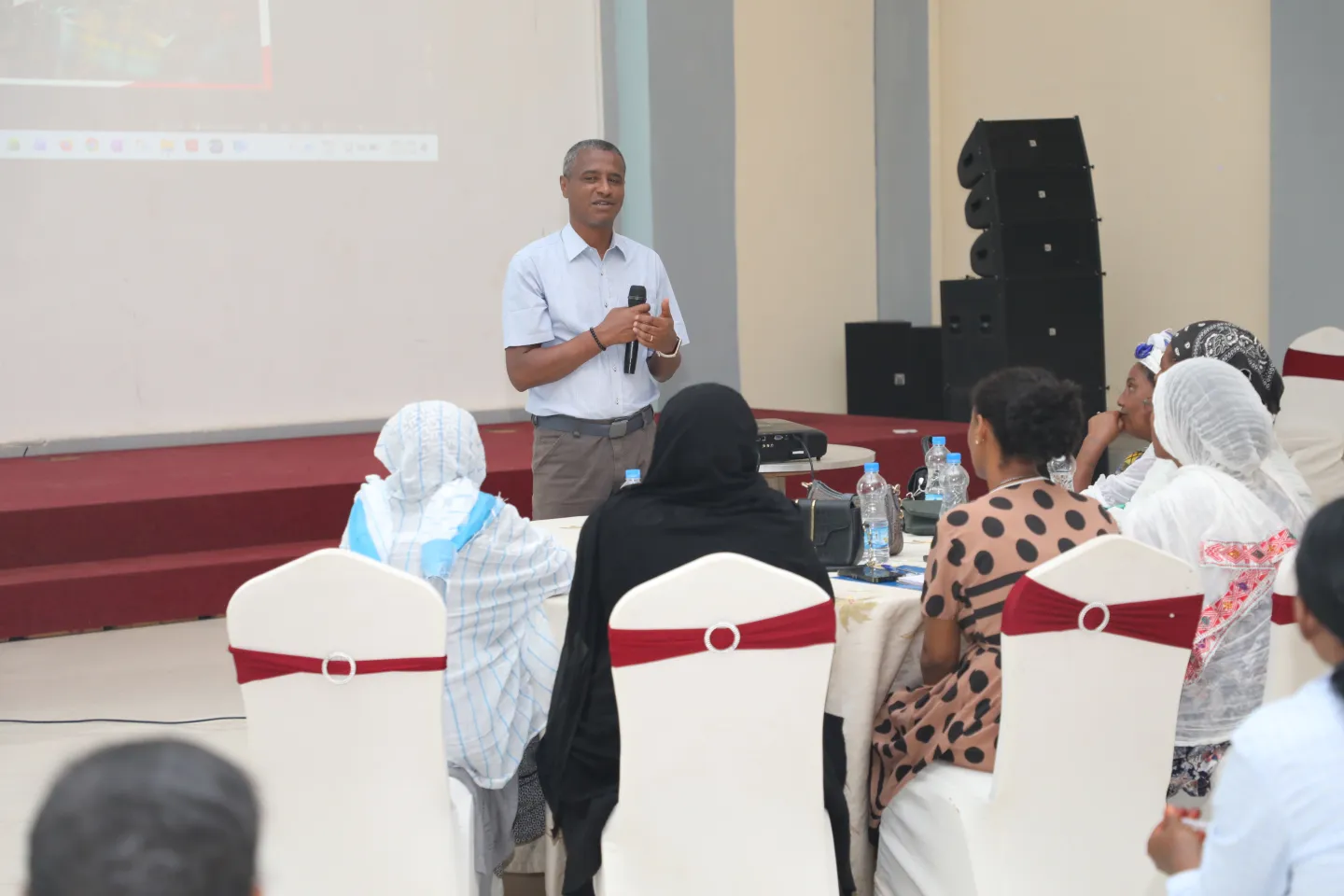
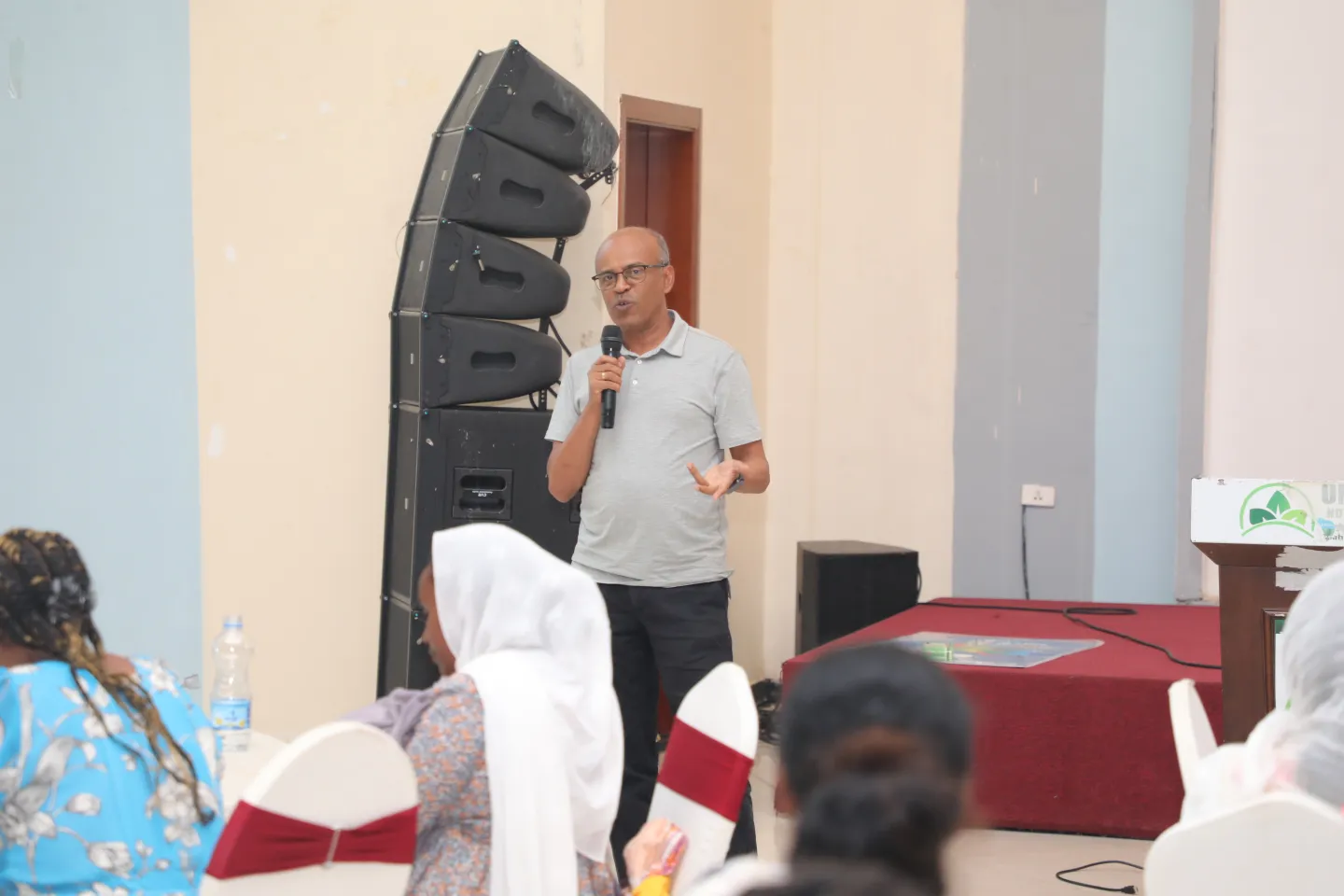
Held from 29 September to 2 October 2026 through the ILO Global Skills Programme in Ethiopia, the training equipped participants with practical approaches to integrate environmental sustainability into their businesses. They explored how to turn waste into productive resources, improve resource efficiency, strengthen business planning and quality, and identify opportunities in green value chains and the circular economy.
For several participants, the learning translated into concrete ideas they wanted to take back to their businesses.
Seeing opportunity in what others throw away
For Fikraddis Getenet, one idea changed the way she looked at something most people simply throw away: plastic waste.
“I had no idea before that something like that was possible,” said Fikraddis, recalling examples from the training of discarded plastic being transformed into useful products. “That is one of the ideas I am considering.”
Fikraddis manages the Nech Werq Rice Processors’ Share Company in Wereta town and serves as Vice Chair of the Regional Board of the Amhara Regional State Businesswomen’s Association.
The training introduced her to ways businesses could recycle and reuse waste, make better use of locally available resources, reduce costs and plan for longer-term sustainability. It also prompted her to look differently at her existing rice-processing business, including resource use, business planning, packaging and labelling.
But the possibilities extended beyond improving an existing business. Participants also explored how discarded materials could become the starting point for entirely new products and enterprises. “We learned that by working together and keeping our local environment clean, we can build green and sustainable businesses” Fikraddis said.
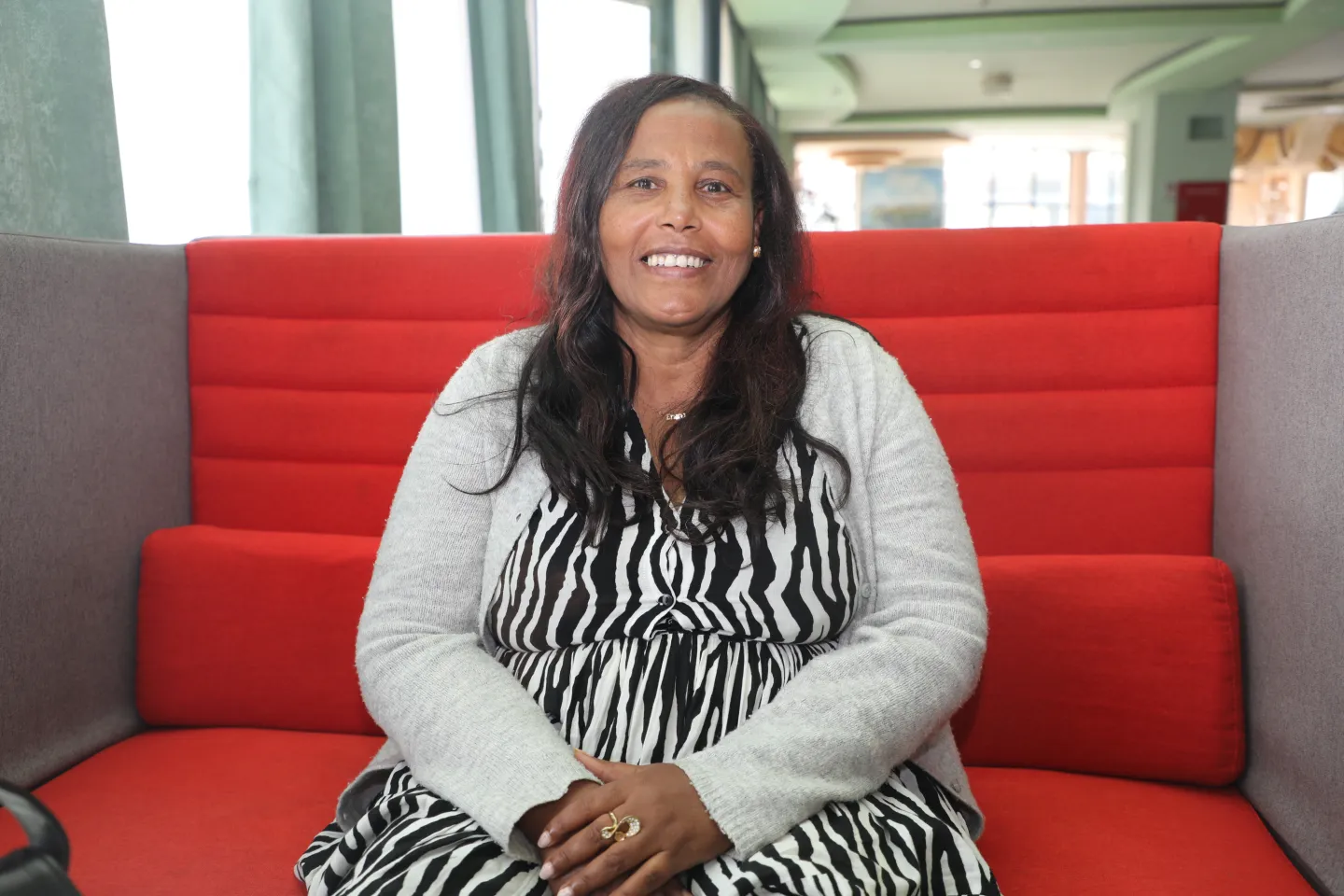
We learned that by working together and keeping our local environment clean, we can build green and sustainable businesses.
Fikraddis Getenet, entrepreneur and manager of Nech Weq Rice Processors'Share Company
From poultry waste to a potential source of energy
For Meswat Ayele, a businesswoman from Kobo, the connection between waste and opportunity was already part of her entrepreneurial journey.
Meswat runs a clinic and is also involved in poultry production and other business activities. She explained that she previously discarded manure from her poultry before beginning to use it as organic fertilizer for agricultural production.
Following the training and discussions with technical and vocational experts, she began considering other possibilities. “I have been giving away the organic fertilizer for free,” Meswat said. “But now, after discussing the idea with technical and vocational experts, I plan to explore converting it into biogas.”
Her ambition goes beyond using the potential energy source herself. Meswat said she also wanted to become an example for young people and share what she learns about putting such resources to productive use.
The training also encouraged her to think more systematically about another fundamental part of running a business, which is, managing money.
She reflected on how finances from her different business activities had not always been managed systematically and said she gained a stronger understanding of planning and keeping track of income and expenditure.
For Meswat, however, acquiring knowledge was only the first step. “When you receive training, you should not remain at the same level you were at before,” she said. “If you simply continue as you were, it means you have learned nothing.”
Connecting sustainability with business growth
For Sewalem Siyeneh, the training prompted a different set of ideas about quality, productivity and growing her business.
A coordinator of businesswomen in Merawi town, Sewalem’s main business is in vegetables and fruits. She is also involved in pottery products made by local producers. “The knowledge I gained from this training is, first, about how I should run my business,” she said. “I learned how I can gradually add value and improve my business based on the skills I have.”
Sewalem said the training reinforced the importance of quality, planning, better access to supplies and stronger market linkages.
She is now considering how the pottery side of her business could improve its production processes, including exploring access to machinery that could increase production speed and improve quality. She also plans to improve her business premises and is considering expanding the business into a café format.
Her experience reflects a broader rationale behind the training: environmental sustainability and enterprise development can go hand in hand. For SMEs, greener approaches can be connected to questions of productivity, resilience, competitiveness and access to markets.
Turning individual ideas into collective opportunities
The learning also sparked conversations about what women entrepreneurs could achieve together.
Fikraddis said participants were already discussing how they might combine different resources and strengths to pursue business ideas.
“One person may have the knowledge, another may have the financing, and another may have the location or premises,” she said. “We discussed how we can bring these different resources together and collaborate.”
Such collaboration could be particularly relevant for SMEs facing barriers to adopting greener practices, including limited access to knowledge, technologies, finance and market opportunities.
The training therefore went beyond environmental awareness. Participants explored environmental sustainability and decent work, green businesses, environmental management systems and certification, green value chains and circularity, business planning, green jobs and the role of social dialogue in skills development for a green transition.
The aim was to strengthen their understanding of green sustainability standards and their ability to incorporate environmental considerations into business planning.
Skills for greener and more resilient enterprises
Climate change, environmental degradation, resource scarcity and the transition towards a more environmentally sustainable economy have significant implications for SMEs, affecting their resilience, productivity and profitability.
At the same time, the transition can create opportunities for enterprises to adopt more sustainable business practices, strengthen their resilience and explore emerging green sectors, value chains and circular economy approaches.
The training formed part of the Ethiopia component of the ILO Global Skills Programme, funded by Norway through the Norwegian Agency for Development Cooperation (Norad). In Ethiopia, the programme works to strengthen the country’s skills development system to make it more market-driven and inclusive and to better connect skills development with national and sectoral priorities.
For the women entrepreneurs who gathered in Bahir Dar, the transition towards greener businesses became tangible through everyday decisions: what to do with waste, how to use resources more efficiently, how to improve a product, how to manage costs and where to look for the next business opportunity.
The training may have ended, but for these women entrepreneurs, the next step is putting those ideas to work.
About ILO’s Global Skills Programme
ILO’s Global Skills Programme supports countries in building inclusive, demand-driven skills systems. It promotes lifelong learning to help individuals adapt to evolving labour markets. The programme emphasizes social dialogue, equitable access and quality assurance in skills development. It aligns with the 2030 Agenda for Sustainable Development, aiming to enhance employability and productivity worldwide. The Global Skills Programme is funded by Norway, through Norad, the Norwegian Agency for Development Cooperation.
Related content
Empowering Women Entrepreneurs
ILO skills project aims to uplift environmental sustainability and waste management in Ethiopia
ILO Global Skills Programme