


PROSPECTS Impact
Vocational skills boost economic integration of Ethiopia's refugee and host youth
Seventy-five youth from refugee and host communities in Ethiopia graduate from the Jigjiga Polytechnic College through an ILO-supported vocational program, empowering them for employment and self-reliance.
4 November 2024
JIGJIGA (ILO NEWS) – The International Labour Organization's (ILO) PROSPECTS project, in partnership with Jigjiga Polytechnic College (JPTC), has graduated its second cohort of 75 trainees from a vocational skills training program in the Somali region of Ethiopia. The program, a three-month course focused on skills such as electrical installation, plumbing, beauty, and food preparation, aims to equip youth from both refugee and host communities with essential skills for employment and self-employment.
At the graduation ceremony, Ashenafi Demeke, Education Service Team Leader at the Refugees and Returnees Service (RRS), underscored the program’s importance for fostering technical capacity and promoting social and economic inclusion. “The training is a crucial step towards building technical capacity and fostering social and economic inclusion of refugees in the region in the public TVET institutions. It also aligns with Ethiopia's commitment to include refugees in its national education system and provide vocational training to 20,000 refugees and host community members by 2027,” Demeke said.

Nasri Jama, Dean of JPTC, highlighted the value of vocational training for employment and integration. "This program is a testament to our commitment to providing quality education and skills development to young people, regardless of their background," he noted.
Representing Khumbula Ndaba, ILO Country Director for the Horn of Africa, Gizeshwork Tadesse, National Skill Development Officer, addressed the role of the Refugee Response Strategy in supporting refugees' integration into Ethiopian society. "By investing in vocational training, we are empowering refugees to contribute to the economic development of their communities," Tadesse stated.
Stephen Opio, Chief Technical Advisor for ILO PROSPECTS in Ethiopia and Sudan, emphasized the ILO’s commitment to fostering decent work and social inclusion. “ILO has a long-standing mandate to promote decent work for all, and this initiative aligns directly with our mission to create jobs, ensure social justice, and foster inclusive economic growth,” he said. "This initiative goes beyond training—it promotes the successful transition from school to work, fosters both self-employment and wage employment, and strengthens social inclusion,” Opio added.
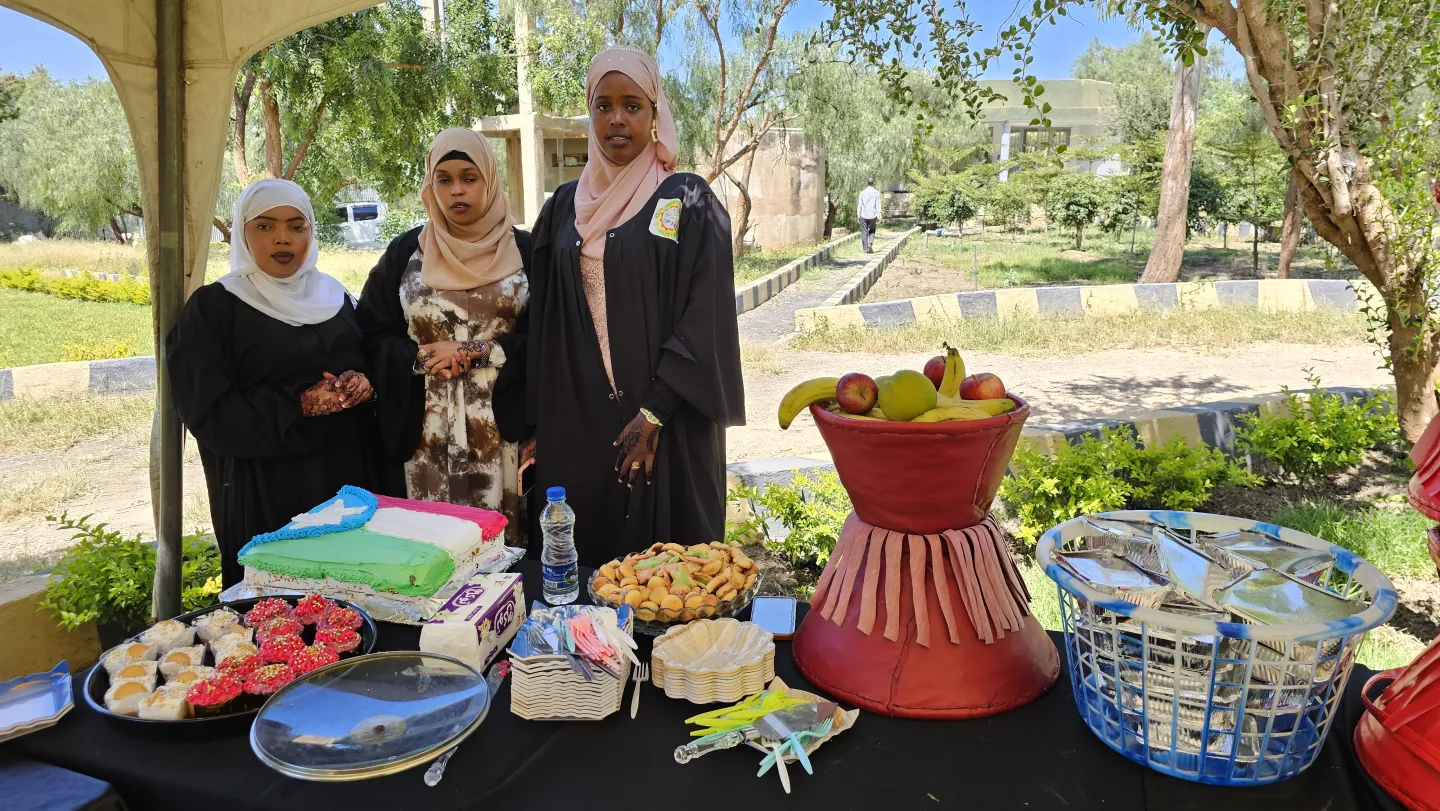
Several graduates shared their stories, expressing how the training opened new paths for them. Junaid Ahmed, a 19-year-old from Jigjiga, developed plumbing skills through the program. "The training has given me the confidence to start my own plumbing business," he shared.
Khadar Mahamed, a refugee from Kebribeyah, graduated from the food preparation program and now plans to seek employment or launch her own food business. "I am now able to prepare a variety of traditional and international dishes," she said.
Another Kebribeyah resident, Nura Mahamed, 20, chose electrical installation due to the region’s growing construction sector. “Graduating in electrical installation will unlock new opportunities for me,” he said, encouraging other youth to pursue similar training opportunities.
The ILO PROSPECTS project, through partnerships like the one with JPTC, continues to drive inclusive vocational training, equipping youth with practical skills for economic empowerment and fostering a more inclusive society in Ethiopia.
Related contents
Skills training
A New Spark: Abdi's journey from labourer to electrician

Skill development for refugees
Women defy gender norms, access vocational training on hard labour occupations in Ethiopia

News
The ILO and the LWF to strengthen vocational skills development for refugees and youth in Kebribeyah

Article
Industry exposure for vocational trainers to address skills gap in Ethiopia
Relevant projects
ILO-Netherlands Partnership
Partnership for improving prospects for forcibly displaced persons and host communities (PROSPECTS) in Ethiopia
Programme
Partnership for improving prospects for forcibly displaced persons and host communities (PROSPECTS)