

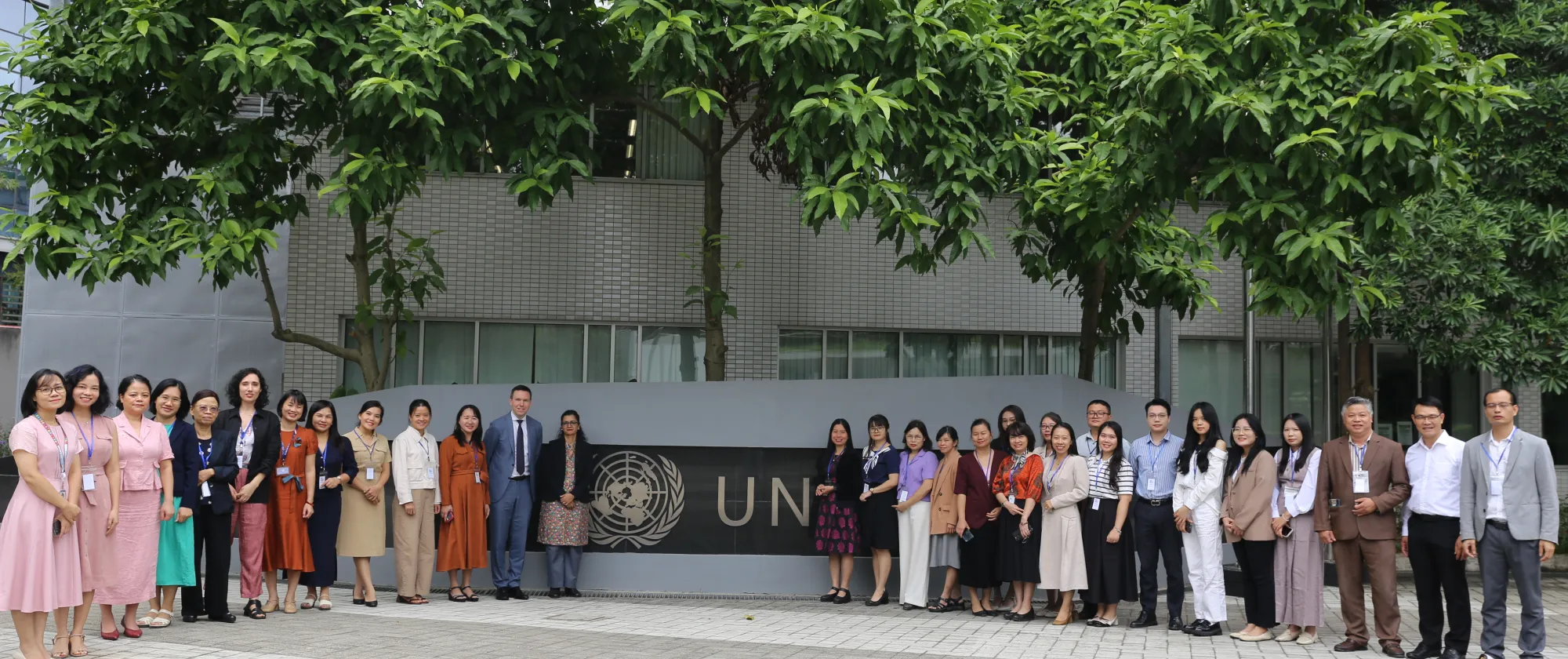
Trade for Decent Work
Viet Nam puts restless joint effort on advancing gender equality in the world of work
Viet Nam has established strong legal foundations for gender equality in the world of work, but sustained progress will depend on effective implementation, institutional capacity and coordinated action across government, employers, workers’ organizations and other partners.
29 October 2025
HA NOI (ILO News) – Viet Nam has made steady progress in advancing gender equality in the world of work, underpinned by long-standing commitments to international labour standards and continued national reforms. The ratification of key ILO Conventions on equal remuneration and non-discrimination, together with the Labour Code 2019 and its implementing decrees, marked a significant step in aligning national legislation with international standards, including commitments under new-generation trade agreements such as the EVFTA.
However, experience has shown that legal reform is only the beginning. The central challenge now lies in ensuring that these frameworks translate into concrete and measurable improvements in women’s working lives.
Reflecting on this shift from legislation to implementation, Felix Weidenkaff, Officer in Charge of the ILO Country Office for Viet Nam, noted: “The revised Labour Code 2019 and its implementing decrees have been essential in aligning national law with International Labour Standards, particularly in meeting commitments under trade agreements such as the EVFTA. However, passing laws is only the first step. The greater and more enduring challenge is translating these progressive legal frameworks into concrete, measurable changes and on-the-ground impact, especially in the area of gender equality.”
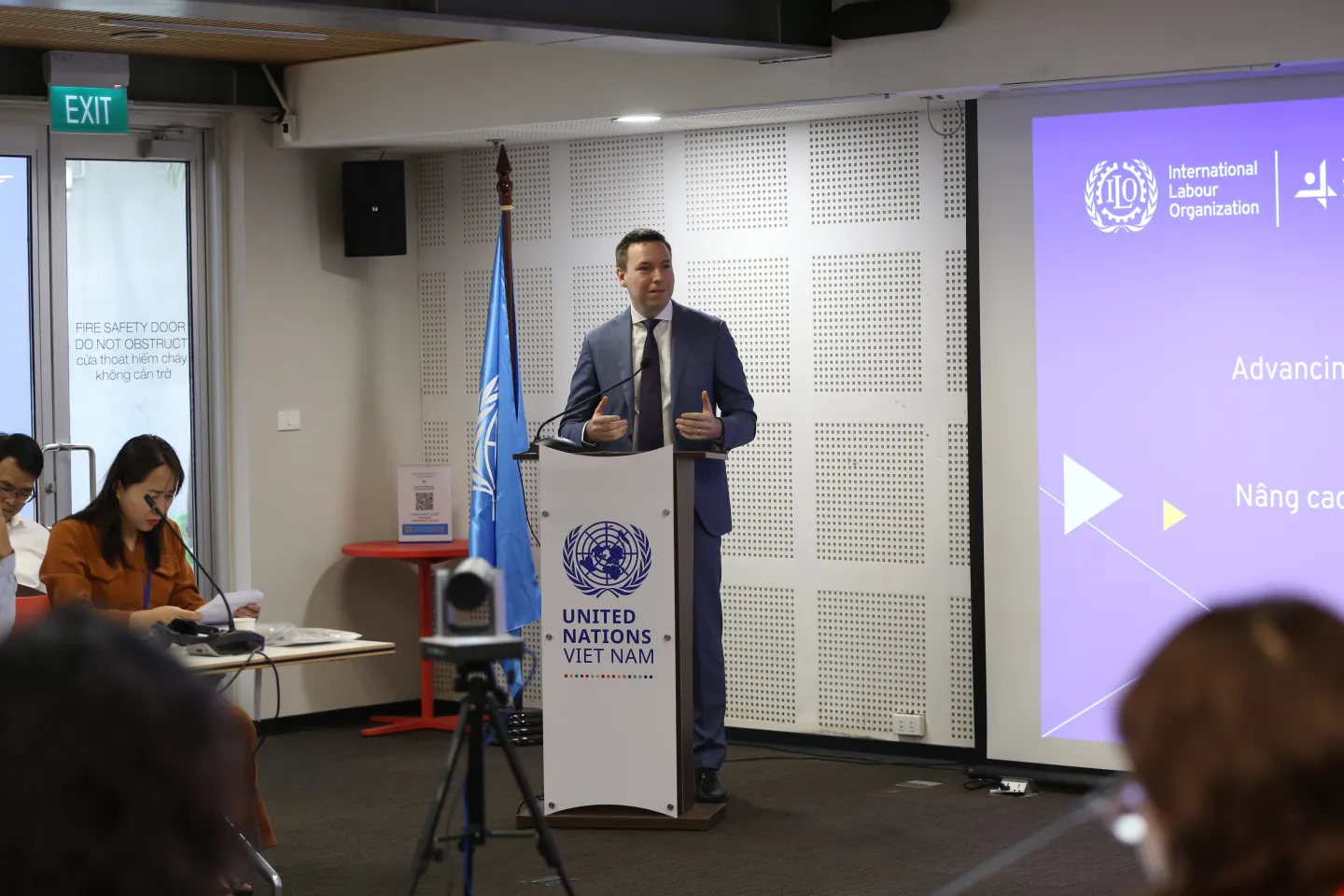
On 29 October, a technical dialogue facilitated by the ILO in Ha Noi provided an opportunity to take stock of progress since the Labour Code reform and to identify where gaps persist. An overview of gender equality and women’s empowerment in Viet Nam, presented by Dr Tran Thi Minh Thi from the Vietnam Academy of Social Sciences, highlighted both advances and structural constraints. While women’s labour force participation remains high, persistent disparities in income, job quality and access to social protection continue to reflect occupational segregation, informality and unequal care responsibilities.
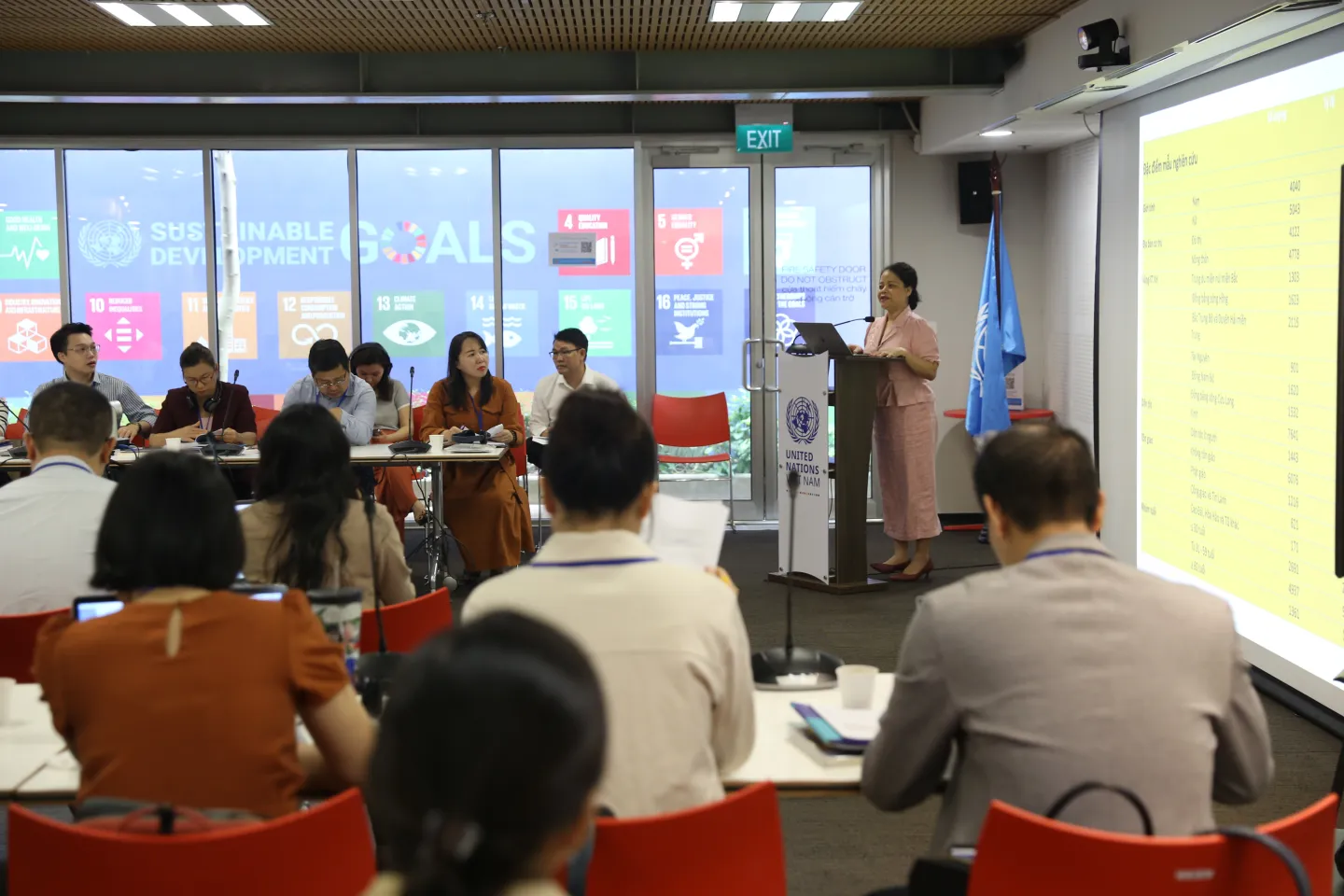
These patterns were further illustrated through a global and national lens on gender wage inequality. Ms Elva Lopez Mourelo, Project Manager of the ILO’s Setting Adequate Wages Project, presented evidence on gender wage gaps and recalled observations by the ILO Committee of Experts on the Application of Conventions and Recommendations (CEACR). The Committee has called on Viet Nam to intensify efforts to address the root causes of wage inequality, including expanding women’s access to a wider range of training opportunities, higher-level positions, and measures that promote a more equal sharing of career and family responsibilities between women and men.
Discussions on workplace equality also underscored the importance of addressing violence and harassment as a core labour rights issue. Ms Deepa Bharathi, Senior Specialist on Gender Equality, Non-Discrimination and Inclusion at the ILO Regional Office for Asia and the Pacific, introduced ILO Convention No. 190, adopted in 2019. As the first international treaty to explicitly recognize the right of everyone to a world of work free from violence and harassment, Convention No. 190 offers an important framework for strengthening prevention, reporting and enforcement mechanisms in Viet Nam.
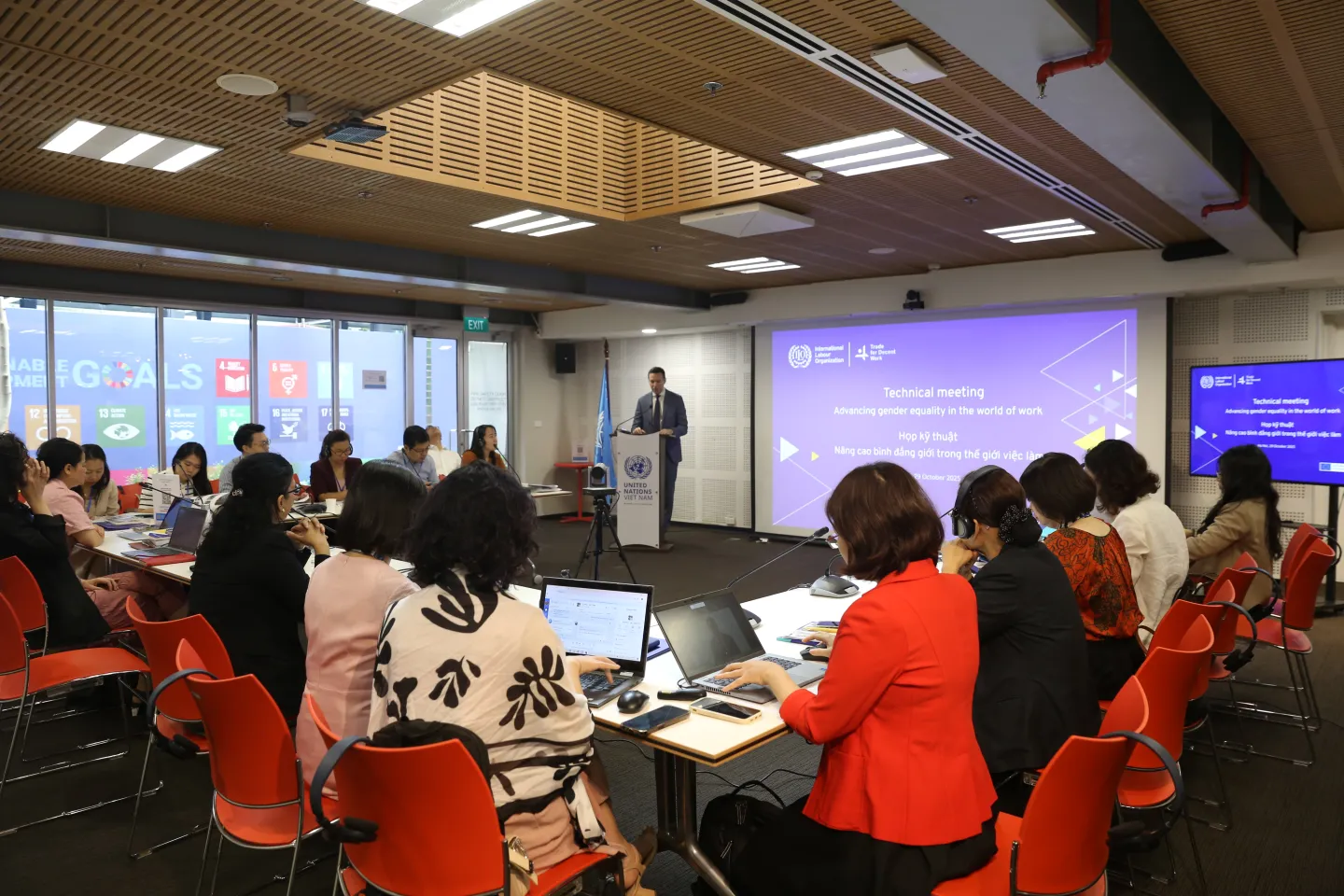
From the perspective of tripartite and social partners, participants highlighted how legal and policy commitments intersect with everyday workplace realities. Ms Tran Thi Thu Ha from the Viet Nam Women’s Union emphasized the interlinkages between unpaid care work, gender pay gaps and women’s exposure to workplace harassment, pointing to the need for more holistic policy responses. Ms Mai Hong Ngoc from the Viet Nam Chamber of Commerce and Industry (VCCI) stressed that micro, small and medium-sized enterprises require tailored guidance and practical tools to effectively implement gender equality and non-discrimination measures. Ms Tran Thu Phuong from the Viet Nam General Confederation of Labour (VGCL) underscored the importance of improved data collection, women’s leadership development and stronger social dialogue in driving change at enterprise level.
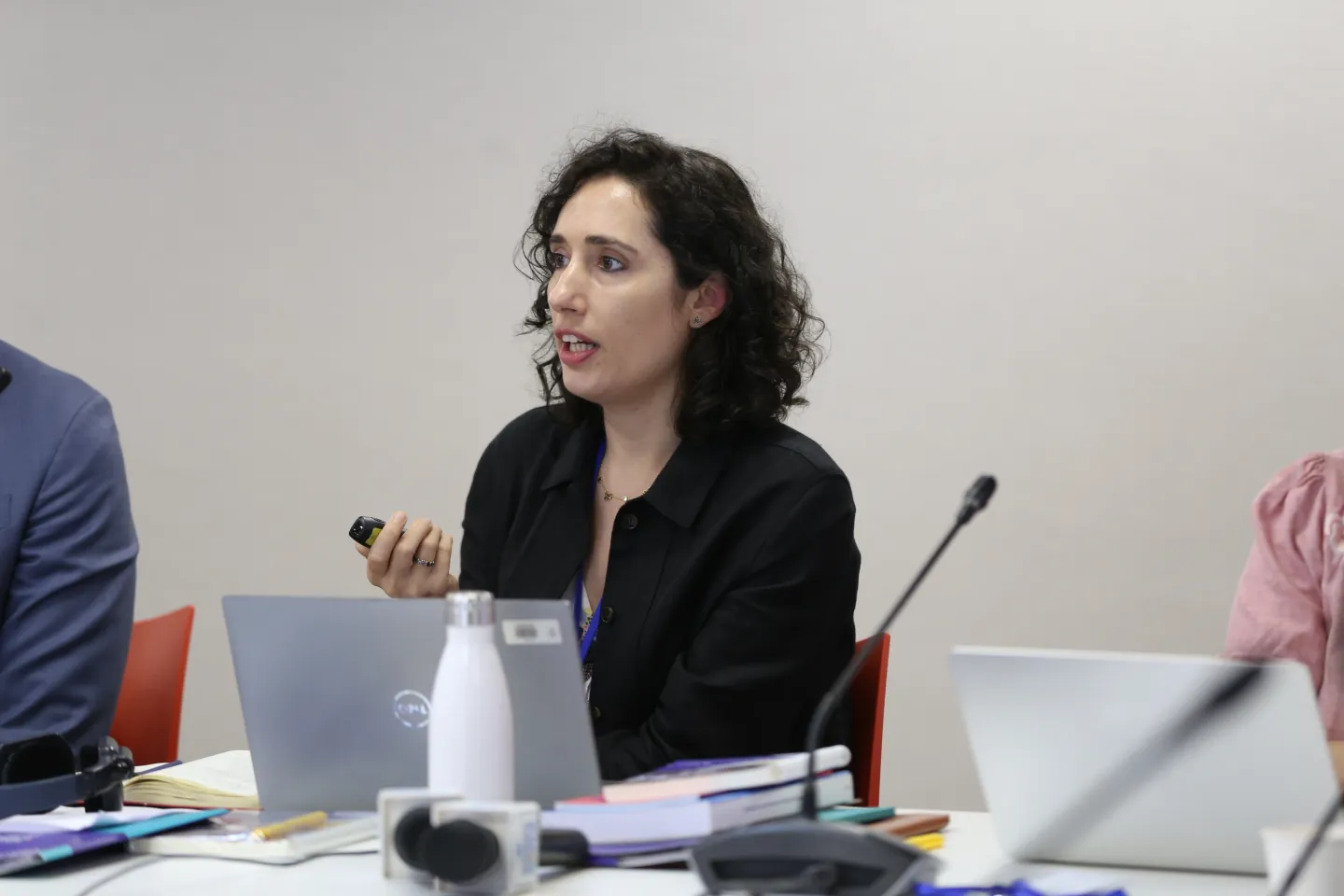
Looking ahead, Dr Tran Thi Minh Thi highlighted priority areas for accelerating progress, including more inclusive policies that reflect the realities of informal workers, improved maternity protection, and better integration of unpaid care work into economic measurement and policy design. She also emphasized the need to support rural and ethnic minority women in digital transformation, expand voluntary social insurance coverage, and strengthen reporting mechanisms on violence and harassment in the world of work.
As the dialogue concluded, there was a shared understanding that only through coordinated action across government, employers, workers’ organizations and partners can gender equality commitments be translated into lasting improvements for women across all sectors of the economy.
Trade for Decent Work Project - Viet Nam
The project supports the effective implementation of the Trade and Sustainable Development Chapter of the EU- Viet Nam free trade agreement (EVFTA), contributing to sustainable global trade with social justice.
Related content

ILO Conventions application
Trade for Decent Work Project - Viet Nam
International labour standards
ILO welcomes European Parliament’s approval for free trade deal with Viet Nam
Factsheet
Labour commitments under EU-Viet Nam Free Trade Agreement
International Labour Standards
ILO welcomes milestone to end forced labour in Viet Nam
Labour Commitment in EVFTA and Amendments and Supplements of the Labour Code 2019
ILO, Viet Nam join force to promote international labour standards and decent work for all
Relevant projects
ILS Compliance and Reporting
Trade for Decent Work Project in Mongolia - Phase 1
Trade for Decent Work Project - Pakistan
Trade for Decent Work Project - Ghana
Application of International Labour Standards (ILS)
Trade for Decent Work Project - Philippines