

labour law compliance
From verbal promises to written agreements: Indonesia's coffee communities learn about labour rights
ILO and the Ministry of Manpower help coffee farmers and workers understand their rights and responsibilities to promote safer, fairer and more productive workplaces.
3 August 2026
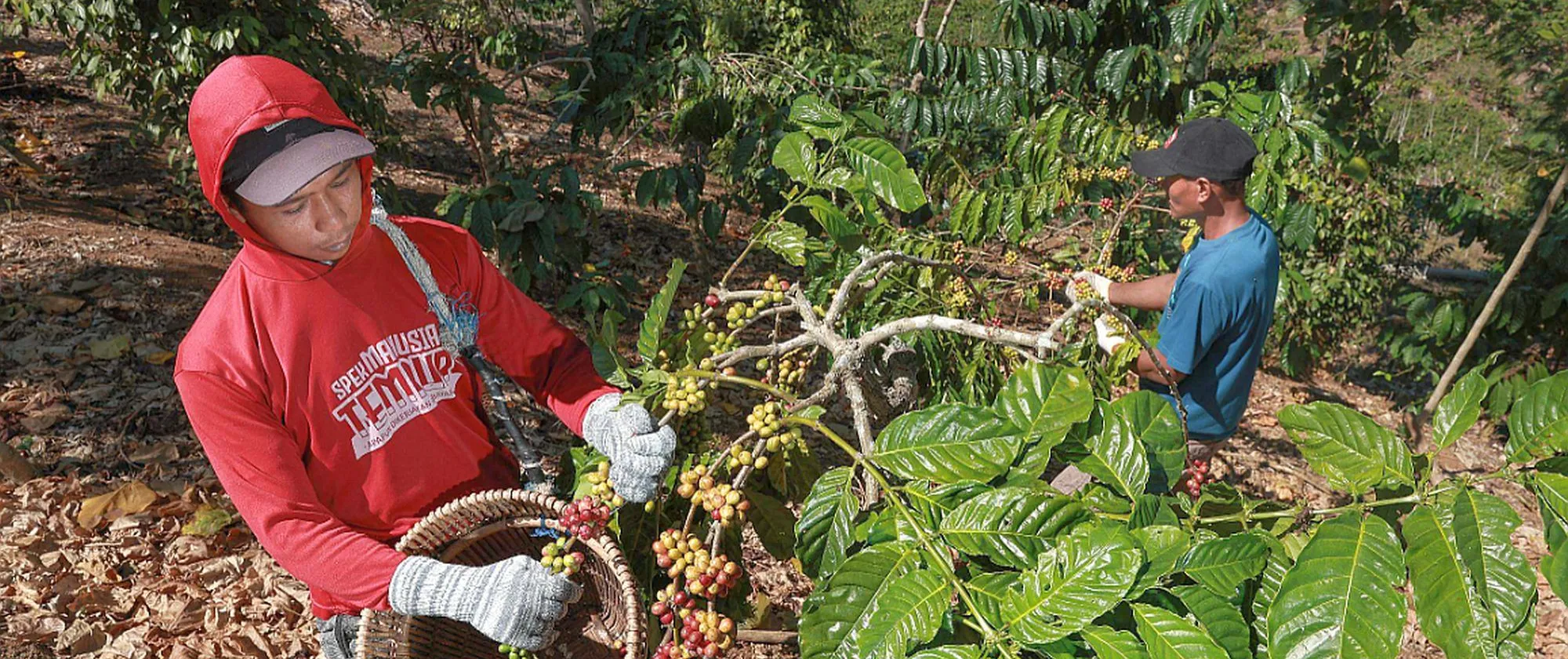
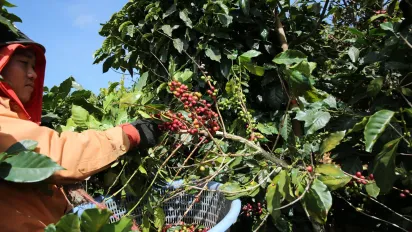
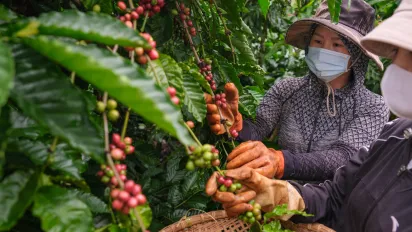
TANGGAMUS, Lampung, Indonesia (ILO News) – Coffee harvest season transforms the hills of Lampung. Families, neighbours and seasonal workers arrive to pick ripe cherries, sort beans and transport sacks of coffee from farms to collectors. It is also the busiest time of the year for thousands of smallholder farmers who rely on additional labour to meet the demands of the harvest.
Yet while coffee production depends on people, employment arrangements often remain informal. Agreements are commonly made verbally, workers may not fully understand their rights and responsibilities and farm owners may be unfamiliar with labour regulations that apply to seasonal employment.
By understanding the applicable labour regulations and using simple written employment agreements, coffee farming communities can create clearer, fairer and more productive working relationships.
Arif Rachman, Junior Industrial Relations Mediator and Deputy Head of the Employment Relations Development Team at the Ministry of Manpower
To help address these challenges, the ILO and Nestlé Indonesia, through the Vision Zero Fund (VZF) project, and in collaboration with the Ministry of Manpower, organized a Basic Labour Law Awareness Training. Held on 2 July in Sumberejo, Tanggamus District, the training brought together around 100 coffee farm owners, workers, farmer groups, women’s and youth farmer groups, Joint Business Groups (KUBs), coffee collectors, Nestlé Indonesia agronomist representatives, and local stakeholders, including representatives from the provincial and district agricultural offices.
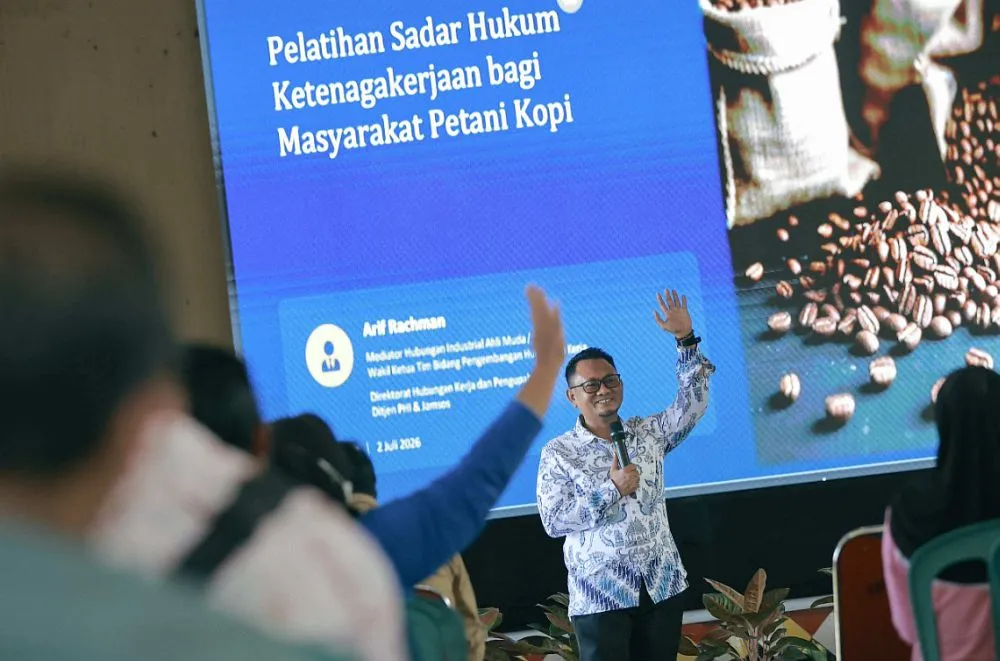
During the training, Arif Rachman, Junior Industrial Relations Mediator and Deputy Head of the Employment Relations Development Team at the Ministry of Manpower, explained how Indonesian labour regulations apply across the coffee supply chain, emphasizing that coffee farm owners, collectors and KUBs may become employers when they recruit, supervise and pay workers.
Using practical examples from coffee farming, he discussed the rights and responsibilities of employers and workers, different types of employment agreements suitable for seasonal and daily work, working hours, wages, social security, occupational safety and health (OSH), religious holiday allowance (THR) and dispute resolution.
"Employment relationships in the coffee sector may look informal, but the rights and obligations of employers and workers remain the same. By understanding the applicable labour regulations and using simple written employment agreements, coffee farming communities can create clearer, fairer and more productive working relationships," he said.
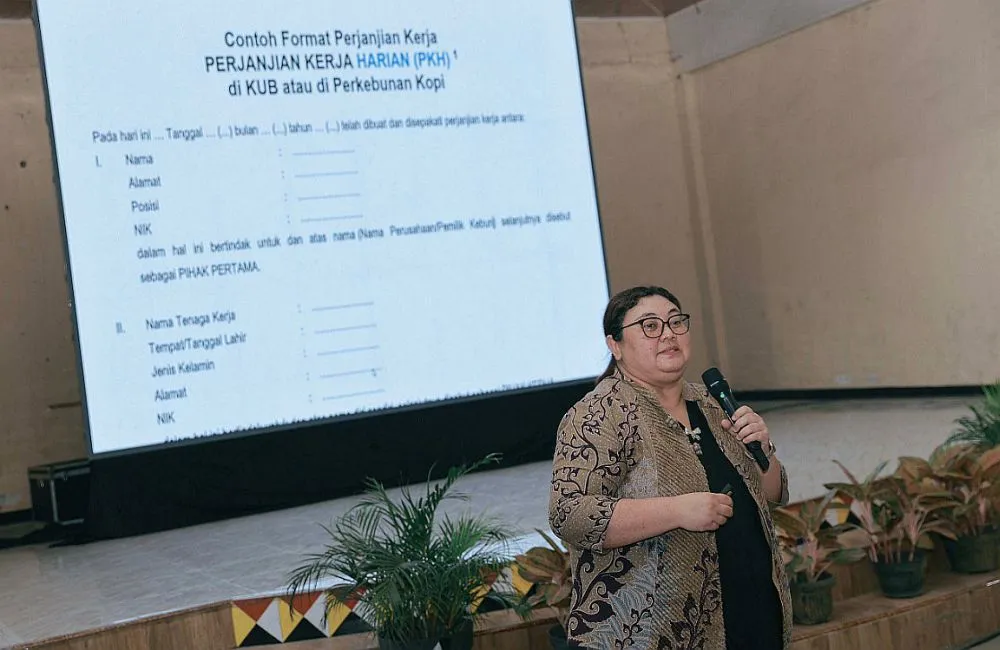
The session also introduced practical written employment contract templates to help participants establish clearer work arrangements and promote compliance with Indonesian labour laws. The templates demonstrate how employment agreements can clearly define work assignments, payment arrangements, working time, worker protection and procedures for resolving disputes.
By making labour regulations practical and accessible, we can help coffee farming communities build more transparent employment relationships, strengthen compliance and contribute to safer and more sustainable coffee supply chains.
Neng Erlina, National Coordinator of the ILO Vision Zero Fund Project
For farm owners, written agreements support better workforce planning and demonstrate compliance with labour regulations, ensure delivery of expected working result and avoid sudden changed on agreed working schedules. For Sessional workers, they provide greater certainty about their rights and conditions of work. In both cases, transparency helps build trust between employers and workers while reducing the risk of misunderstandings.
The message resonated with participants. Agus Setiawan, Head of Farmer's Group Sumber Rejeki and a third-generation coffee farmer, said the training had changed the way he viewed employment arrangements on coffee farms. "I learned that employment agreements should be written, not just verbal. A written agreement benefits both farmers as employers and coffee pickers as workers, especially during the harvest season," he said.
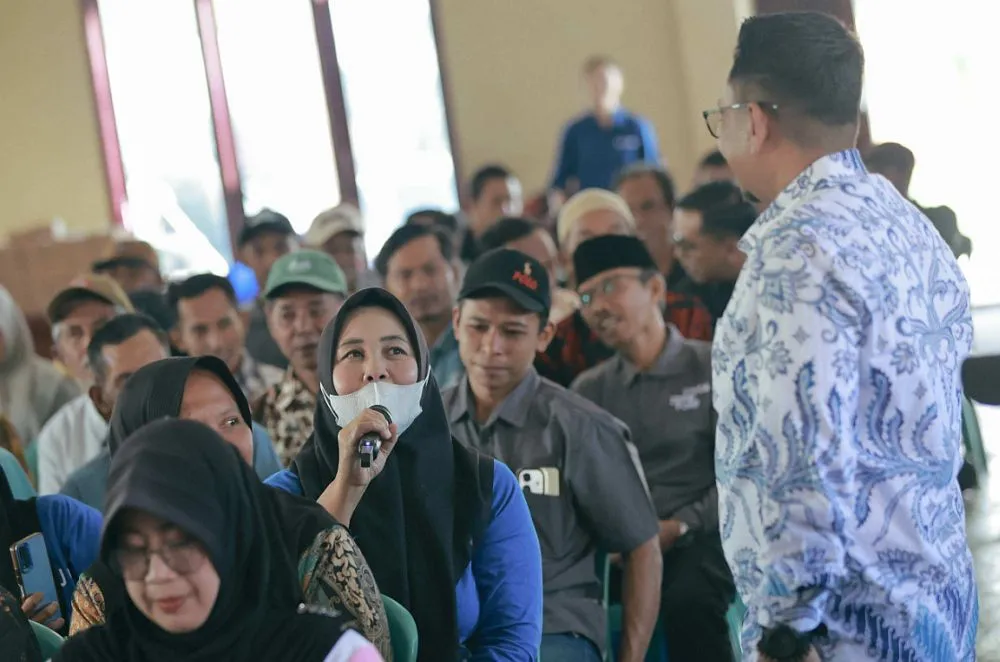
A similar reflection came from Erni Widianingsih, leader of the Kembang Kopi Women's Farmer Group. She manages her coffee farm herself and employs three workers for routine maintenance, with the number increasing to as many as eight during the harvest season. Until participating in the training, she had not realized that these employment relationships should also be supported by written agreements.
I used to rely on verbal agreements with the workers I hired. This training helped me understand that written agreements provide greater clarity and protection for both employers and workers. This is especially important for me, as I manage the farm by myself.
Erni Widianingsih, leader of the Kembang Kopi Women's Farmer Group
The training forms part of the ILO's broader efforts to promote decent work in Indonesia's coffee supply chain by strengthening awareness of labour rights and responsibilities among smallholder farmers and other actors in the sector.
"Improving working conditions in agriculture begins with ensuring that both employers and workers understand their rights and responsibilities. By making labour regulations practical and accessible, we can help coffee farming communities build more transparent employment relationships, strengthen compliance and contribute to safer and more sustainable coffee supply chains," said Neng Erlina, National Coordinator of the ILO Vision Zero Fund Project.
Beyond supporting legal compliance, the initiative reflects a broader vision shared by the ILO and Nestlé Indonesia to strengthen the social foundations of Indonesia's coffee sector. While smallholder coffee farming has traditionally relied on informal working arrangements, both organizations recognize the importance of gradually fostering more transparent, professional and mutually beneficial employment relationships across the coffee supply chain.
Clearer work arrangements, improved understanding of rights and responsibilities, and greater access to social protection can help create a more resilient rural economy where workers and farm owners alike are better equipped to manage risks and plan for the future, foster greater trust between employers and workers, and contribute to a more attractive future for the next generation of coffee growers.
Related content
Vision Zero Fund
Improving OSH and social conditions for women and men in coffee farmer communities in Indonesia
Relevant projects
Vision Zero Fund
Improving OSH and social conditions for women and men in coffee farmer communities in Indonesia

Occupational Safety and Health
Improving OSH and social conditions for women and men in coffee farmer communities in Vietnam – a Vision Zero Fund project
Occupational Safety and Health
Improving Safety and Health in the Coffee Supply Chain in Viet Nam - a Vision Zero Fund Project