

STRENGTHEN2
Validation workshop highlights employment and livelihood impacts of irrigation investment in Malawi
11 March 2026
Lilongwe, Malawi (ILO News) – Stakeholders from government, social partners and development partners gathered in Lilongwe to validate the findings of the International Labour Organization’s (ILO) Employment Impact Assessment (EmpIA) of the Bwanje Valley Irrigation Scheme (BVIS), reaffirming the importance of leveraging such tools to support the creation of more and better jobs.
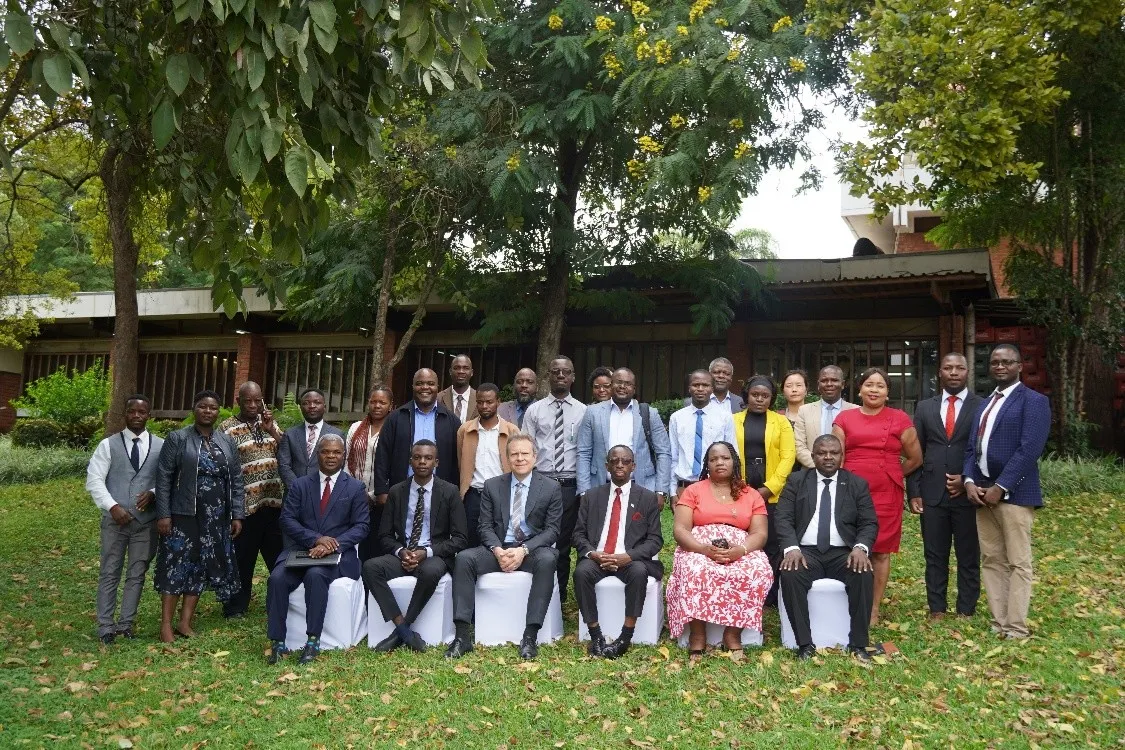
The validation workshop, held under the EU-funded STRENGTHEN2 project, brought together representatives from the Ministry of Labour, the European Union, employers’ and workers’ organizations, and other national stakeholders to discuss the employment and livelihood effects of the irrigation scheme and to provide feedback on the study’s findings and recommendations.
The event was opened by Labour Commissioner H.K.K. Nyangulu, alongside representatives from from employers’ and workers’ organizations, the European Union and the ILO, all of whom emphasized the importance of integrating employment considerations into public investment planning and policy processes.

The assessment examines the impacts of the Bwanje Valley Irrigation Scheme in Dedza district following the completion of the EU-financed dam in 2019, which enabled more reliable dry-season irrigation and expanded agricultural activity. Using a mixed-methods approach combining econometric analysis, satellite data and fieldwork, the study provides evidence on how irrigation investments influence labour demand, productivity and rural livelihoods.
Findings from the assessment indicate that the irrigation scheme has contributed to increased agricultural labour intensity and expanded dry-season farming activity. Satellite analysis shows a substantial increase in irrigated land following the completion of the dam. Fieldwork evidence points to the creation of seasonal employment opportunities and improved livelihoods for participating farmers. The scheme supports over 2,000 farmers and an estimated 7,500 seasonal workers each year.
At the same time, discussions highlighted challenges related to job quality, including informality and low wages, as well as constraints linked to water management, governance and market access. Participants underscored the importance of addressing these challenges to fully realize the employment potential of irrigation investments.

A panel discussion featuring representatives from the Ministry of Labour, the Employers’ Consultative Association of Malawi (ECAM), and the Malawi Congress of Trade Unions (MCTU) provided a platform to reflect on the findings and share perspectives on how to strengthen employment outcomes. Discussions focused in particular on how the recommendations of the assessment can be translated into concrete actions and inform future policymaking and investment decisions. The panellists delivered a clear message: stronger coordination among Malawian institutions is needed to improve governance, enforce labour standards, and ensure effective oversight of development projects.
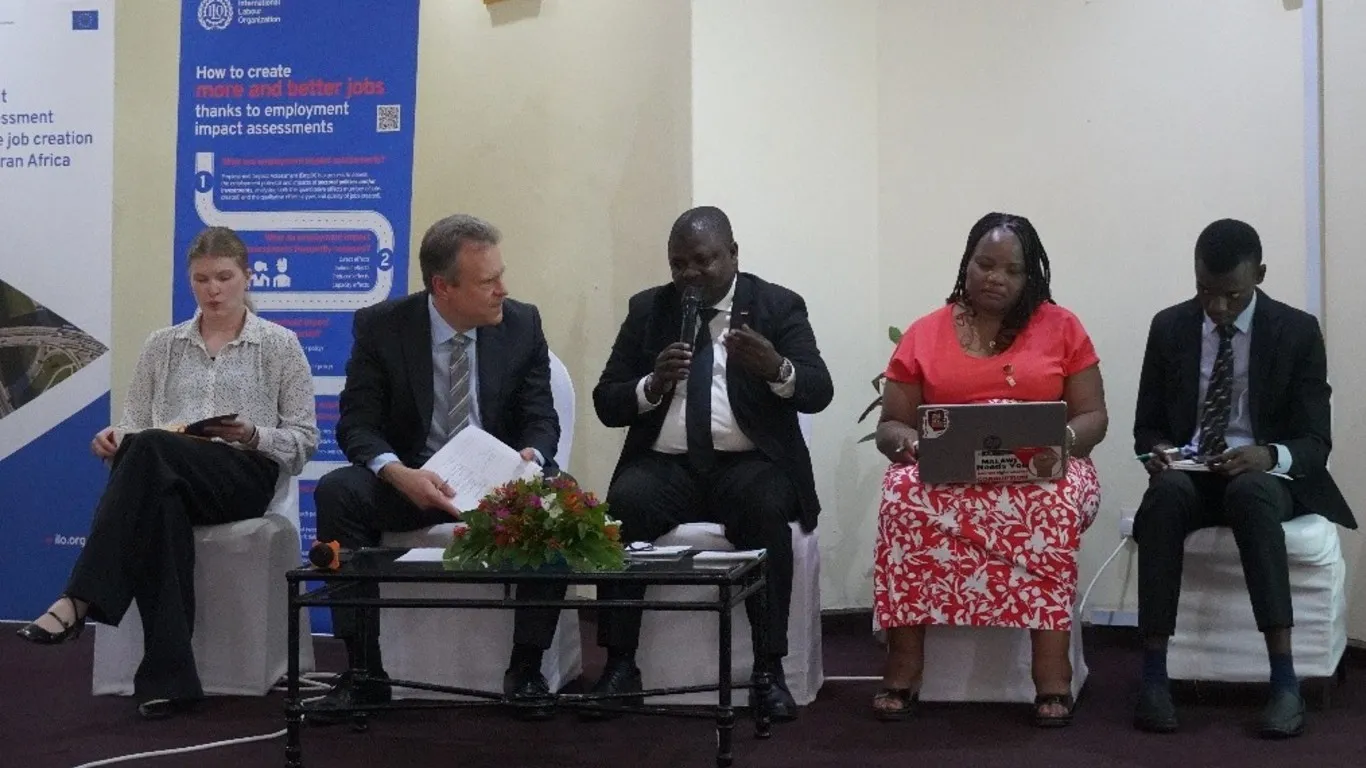
Stakeholders also underscored the importance of continued evidence generation and improved data systems to inform decision-making, noting that regular employment impact assessments can play a key role in guiding policies and investments. As Malawi continues to expand irrigation infrastructure and invest in the agri-food sector, participants emphasized the importance of using such evidence-based tools to ensure that investments translate into inclusive and decent work opportunities.
The workshop forms part of broader efforts under the STRENGTHEN2 project to institutionalize employment considerations into investment planning across sub-Saharan Africa. In Malawi, this includes ongoing work to build capacity among national stakeholders and to integrate employment impact assessment into policy frameworks.
Related content

STRENGTHEN2
Employment impact assessment to maximize job creation in Africa
Relevant projects
STRENGTHEN2
Employment impact assessment to maximize job creation in Africa