In Tripoli stakeholders identify priorities for inclusive entrepreneurship promotion and job creation
Stakeholders reviewed preliminary findings on the Tripoli ’s entrepreneurship ecosystem and identified priorities to improve access to finance, business development support and skills development.
19 September 2026
TRIPOLI (ILO News) – Stakeholders from across Tripoli’s entrepreneurship ecosystem have identified priorities to strengthen support for entrepreneurs and enterprises, following a review of preliminary findings on access to finance, business support and skills development.
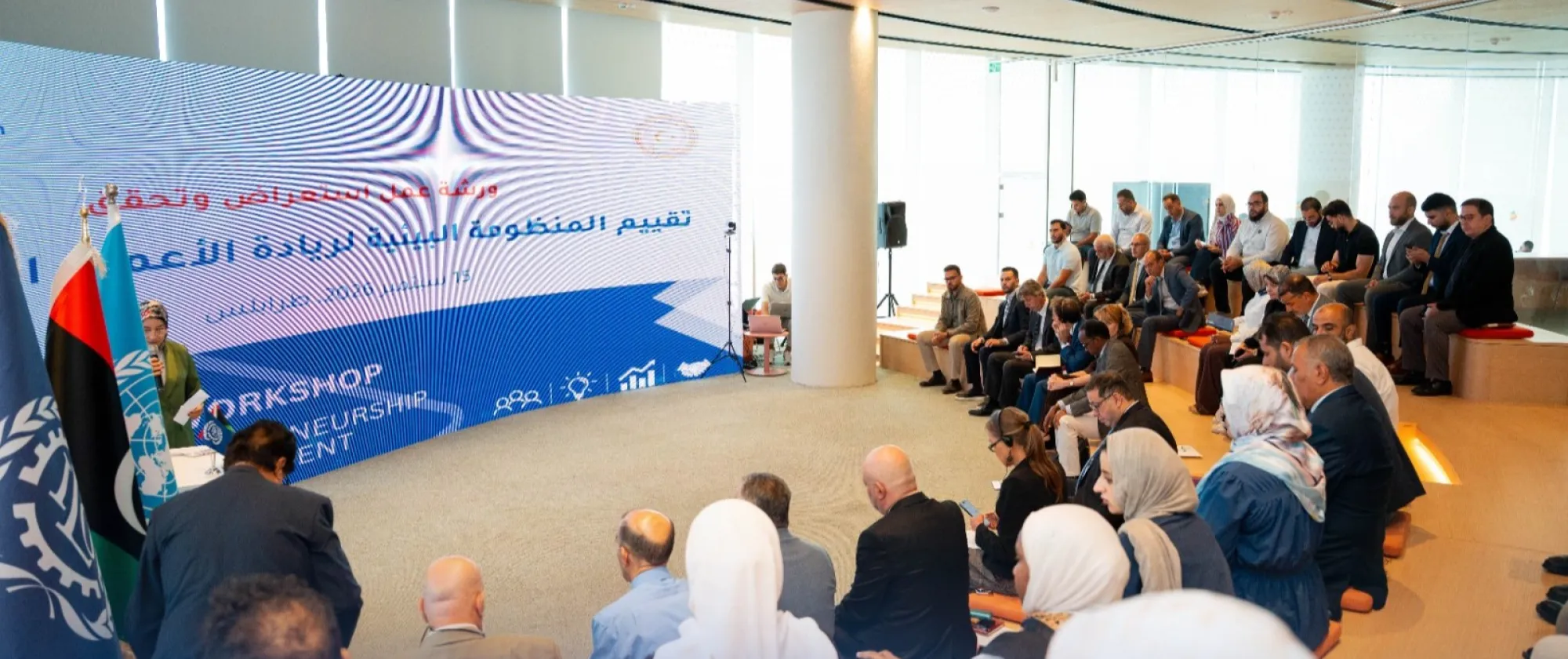
The findings of the Inclusive Entrepreneurship Ecosystem Assessment in Tripoli were discussed at a workshop held in the Tripoli public library on 15 September 2026 and co-organized by the Ministry of Planning in collaboration with the International Labour Organization (ILO), and with opening remarks from the UN Resident Coordination Office.
The assessment examines the conditions affecting micro, small and medium-sized enterprises (MSMEs) in Tripoli, with a focus on women, youth and internally displaced persons (IDPs), as well as the institutions, services and market linkages that shape enterprise creation and growth. The findings highlight an entrepreneurship ecosystem with important signs of resilience and potential, but one that remains fragmented and unevenly coordinated.
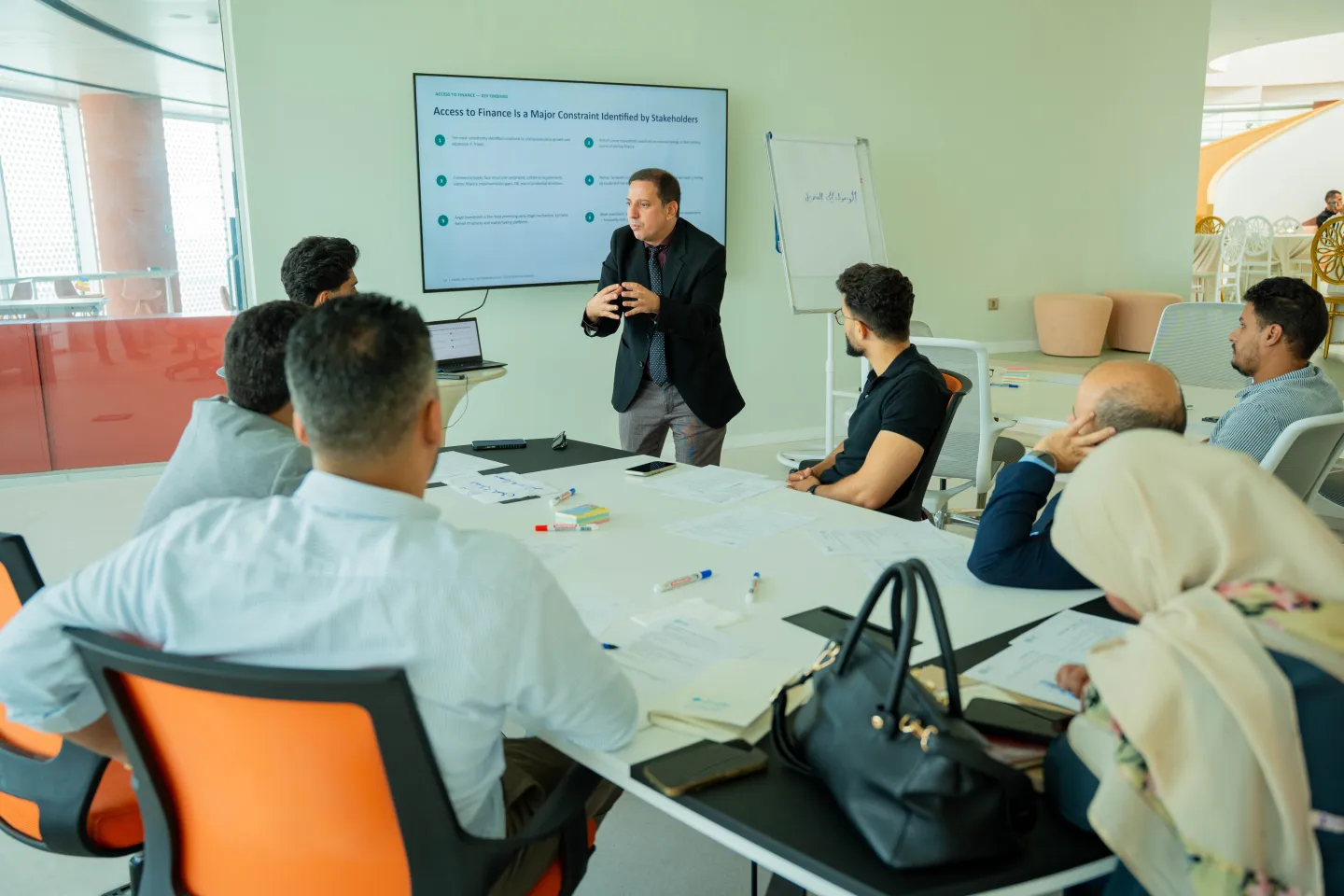
Access to finance emerged as a key constraint to enterprise growth. Entrepreneurs face challenges in accessing suitable financing and often rely on personal savings, family networks, grants or informal financing mechanisms. The assessment highlights the need to strengthen investment readiness, increase awareness of available financing options and expand access to appropriate financial products and services.
The assessment also identifies opportunities to strengthen coordination among entrepreneurship support organizations and improve support for enterprise growth, investment readiness, market expansion and export readiness. Persistent skills gaps further point to the need for stronger practical training, mentoring and work-based learning, closer links between education and industry, and skills development that responds more effectively to market needs, including opportunities associated with the digital and green economy.
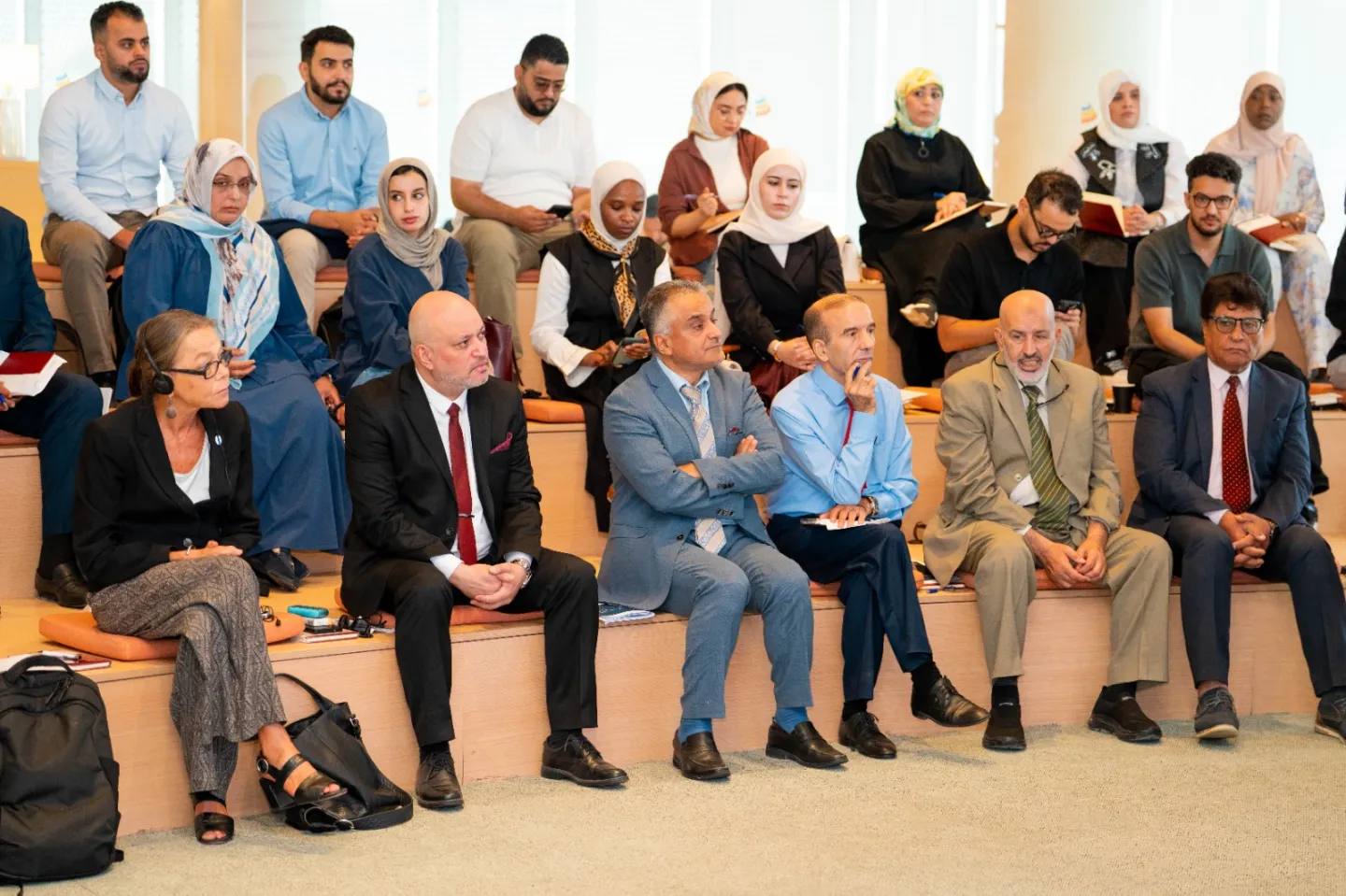
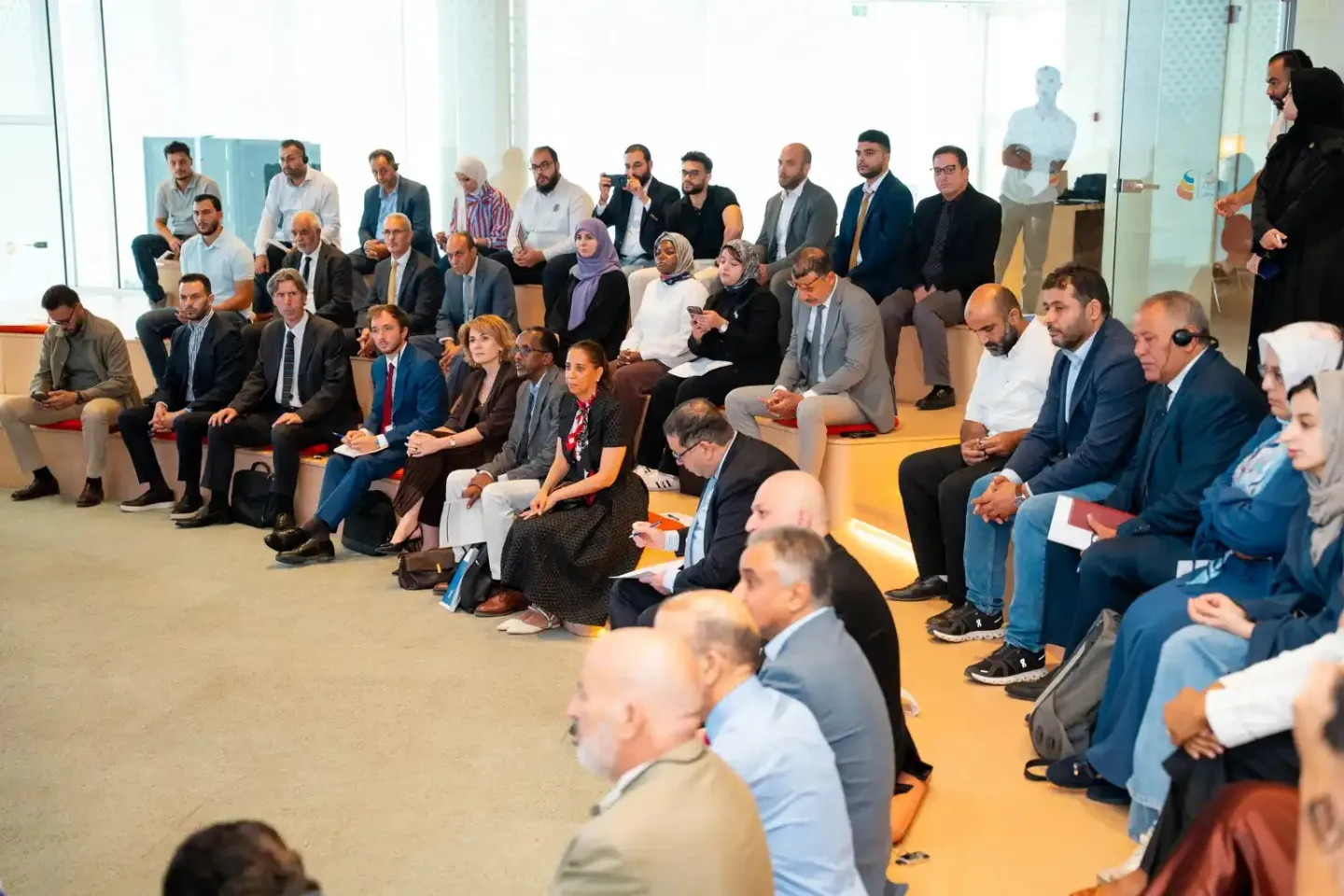
The workshop brought together more than 50 representatives of public institutions, social partners, business and financial organizations, education and training institutions, entrepreneurship support organizations, entrepreneurs, the United Nations system and development partners.
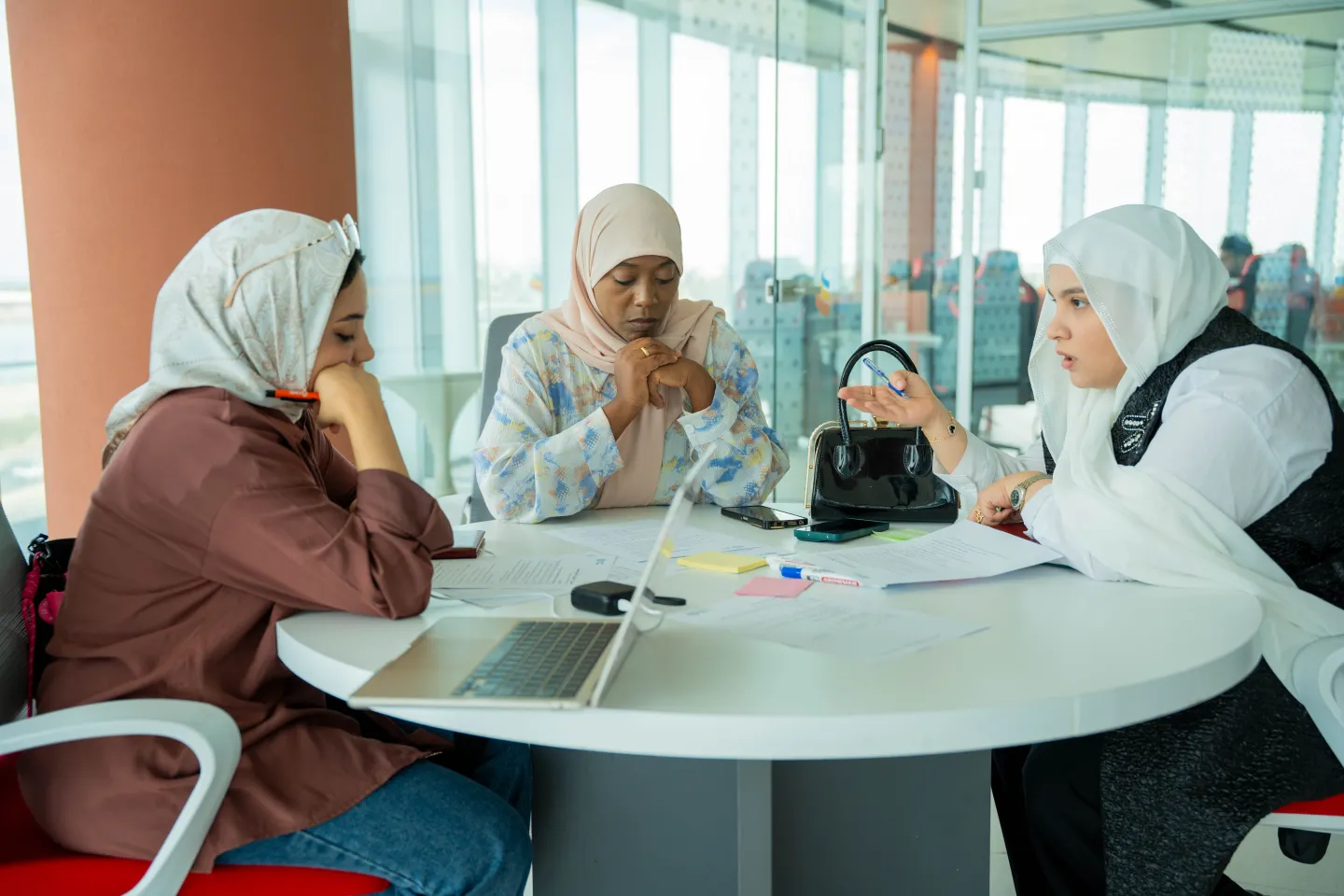
Through technical presentations, drawing on ILO international experience in inclusive entrepreneurship promotion including in crisis contexts, discussions and working groups, participants reviewed the preliminary findings and recommendations, identified areas requiring further refinement and discussed possible interventions according to their relevance, feasibility and potential impact.
Stronger coordination between ecosystem actors emerged as a cross-cutting priority. Other strategic directions discussed included improving access to finance through alternative financing pathways, developing more market-driven skills and creating more integrated business development support.
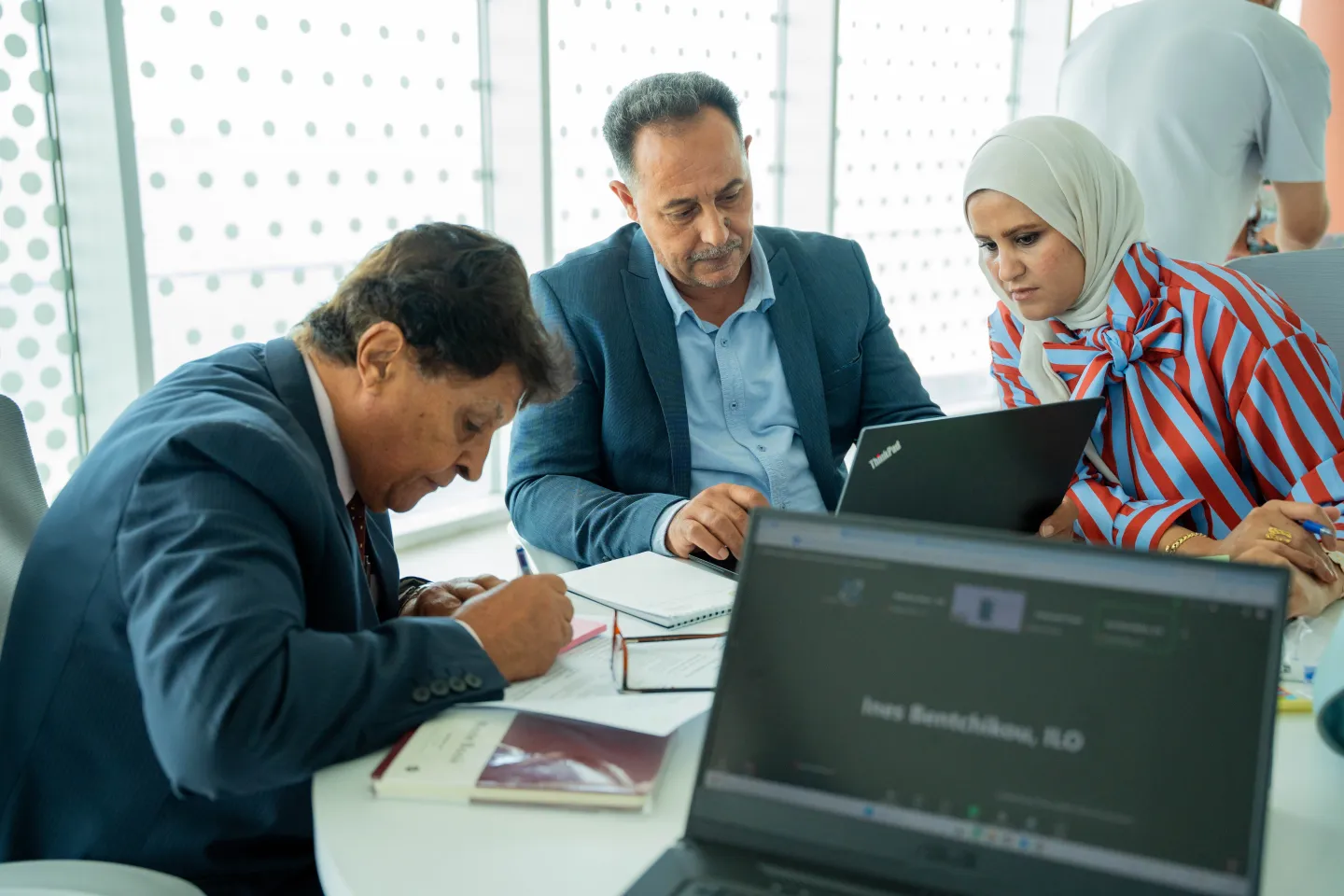
Feedback from the workshop contributed s to finalizing the assessment and identifying priority areas for interventions.
Through this process, the International Labour Organization continues to work with Libyan stakeholders to promote sustainable enterprises, productive employment and decent work, and an inclusive entrepreneurship ecosystem.