


Climate and decent work
Tripartite experts agree on measures to protect workers and enterprises from weather-related risks
ILO meeting of government, employer, and worker experts adopts first-ever conclusions on preventing and managing occupational safety and health risks related to extreme weather events and changing weather patterns.
28 April 2026
GENEVA (ILO News) – Government, employer, and worker experts have adopted the first-ever conclusions on occupational safety and health (OSH) in extreme weather and changing weather patterns, providing guidance for managing the growing risks that weather-related hazards pose to workers across all sectors.
Adopted on 24 April, following five days of intense negotiations at the International Labour Organization (ILO), the conclusions set out measures to strengthen national OSH policies and workplace level measures for workers exposed to extreme weather events and changing weather patterns.
Their adoption marks a significant step in the ILO's efforts to address one of the most pressing and rapidly evolving challenges facing workers and enterprises worldwide. Globally more than 2.4 billion workers are exposed to excessive heat alone, affecting more than 70 per cent of the working population. In addition to heat, workers face OSH risks from extreme weather events such as floods, droughts, wildfires, tropical cyclones and sand and dust storms. Moreover, changing weather patterns including long-term shifts in temperatures and weather conditions can affect workers’ safety and health through cumulative and persistent exposures.
"The adoption of these conclusions sends a clear signal that the world of work is taking OSH impacts of extreme weather seriously. The next step is turning this guidance into action at the national and workplace level,” said Joaquim Pintado Nunes, Branch Chief of the Occupational Safety and Health and Working Environment (OSHE) Branch.
Key measures to strengthen national frameworks include the establishment of evidence-based thresholds, including, if applicable, occupational exposure limits; establishing or strengthening occupational health surveillance systems; and strengthening inter-institutional coordination among labour, public health, meteorological, environmental, infrastructure and disaster management bodies.
At the workplace level, measures include gender-responsive, documented risk assessments, and the determination of preventive and control measures; establishing, reviewing and maintaining emergency preparedness, response and recovery plans and procedures, and ensuring the consultation and participation of workers and their representatives in all OSH aspects related to extreme weather events and changing weather patterns.
The conclusions will be submitted to the Governing Body in November 2026 for approval.
Related content
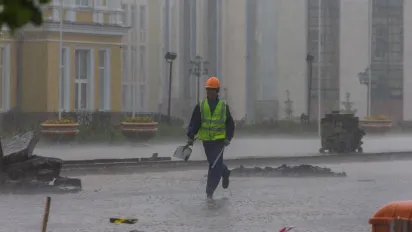
Meeting of experts
Meeting of experts on occupational safety and health in extreme weather events and changing weather patterns
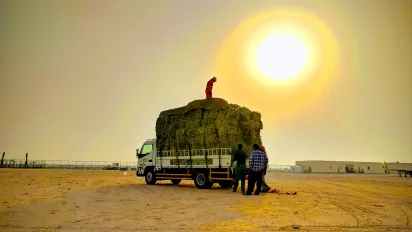
A global review of the science, policy and practice
Heat at work: Implications for safety and health

Topic portal
Safety and health at work

Topic portal
Just transition towards environmentally sustainable economies and societies