

News
Tripartite conversations in Bangladesh pave a practical path to lay the groundwork for responsible business conduct for decent work
Bangladesh is taking steady steps toward building stronger and more coherent responsible business conduct (RBC) frameworks. During the tripartite consultation held on 8 April 2025, participants aligned around several practical next steps to strengthen coordination and awareness. A widely supported proposal was the designation of tripartite national focal points for the ILO Tripartite Declaration concerning Multinational Enterprises (ILO MNE Declaration), which would enable continued dialogue among key institutions and tripartite‑plus stakeholders.
30 November 2025
ILO NEWS (DHAKA)- As a subsequent step in this direction, the Secretary of the Ministry of Labour and Employment (MoLE), Dr. Md. Sanwar Jahan Bhuiyan, expressed readiness to begin the process of appointing a national focal point for the ILO MNE Declaration and to convene a workshop to finalize the focal point’s structure. This workshop is intended to carry forward the momentum generated by the tripartite consultation in April 2025.
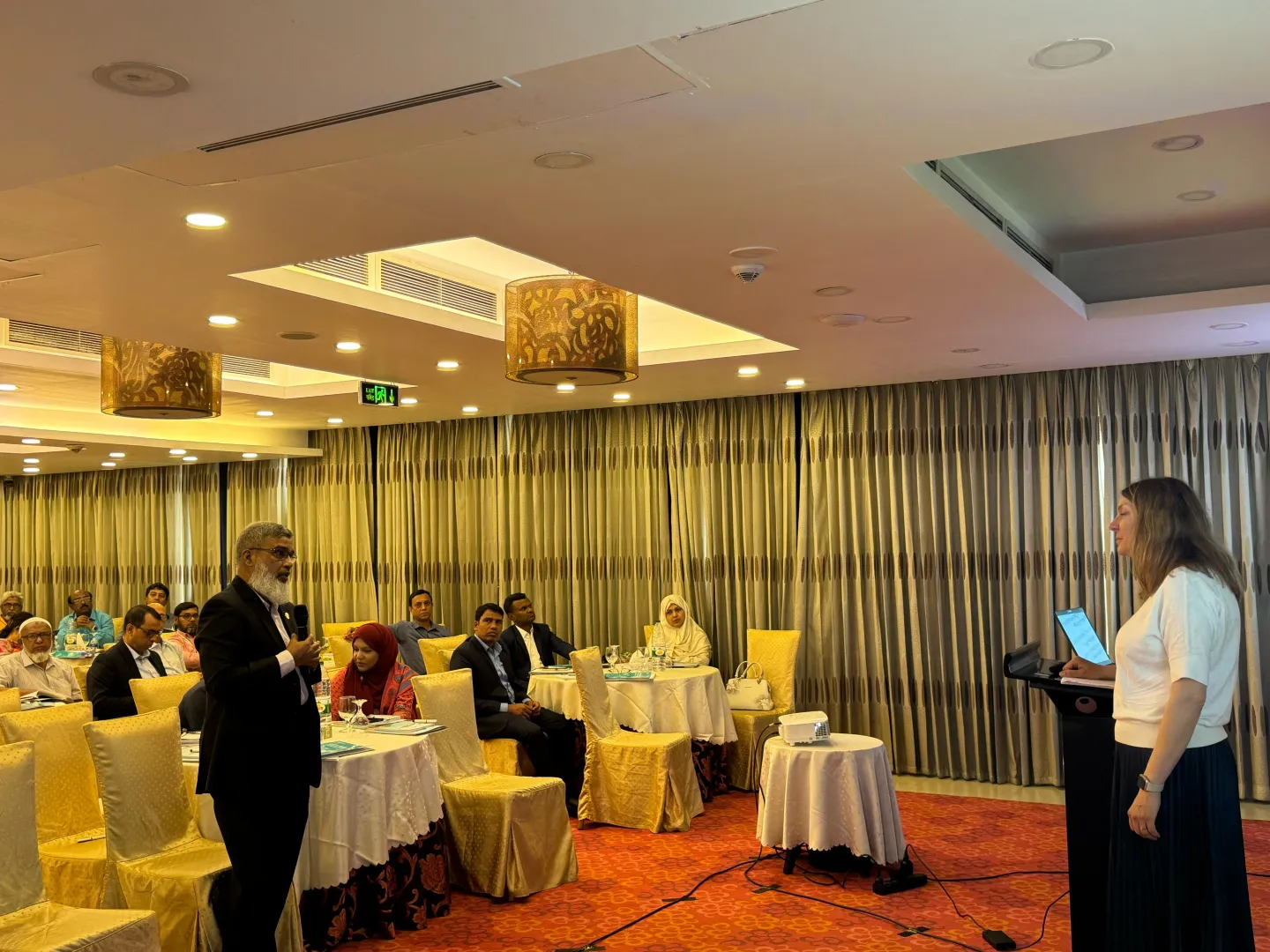
Stakeholders in the tripartite consultation also highlighted the importance of sector‑specific consultations—especially in sectors such as leather, frozen food, agro‑processing, and plastics—where skills needs and workplace realities differ and recognized capacity development for all constituencies as a foundation for long‑term progress.
Dialogue, shared realities, and converging priorities
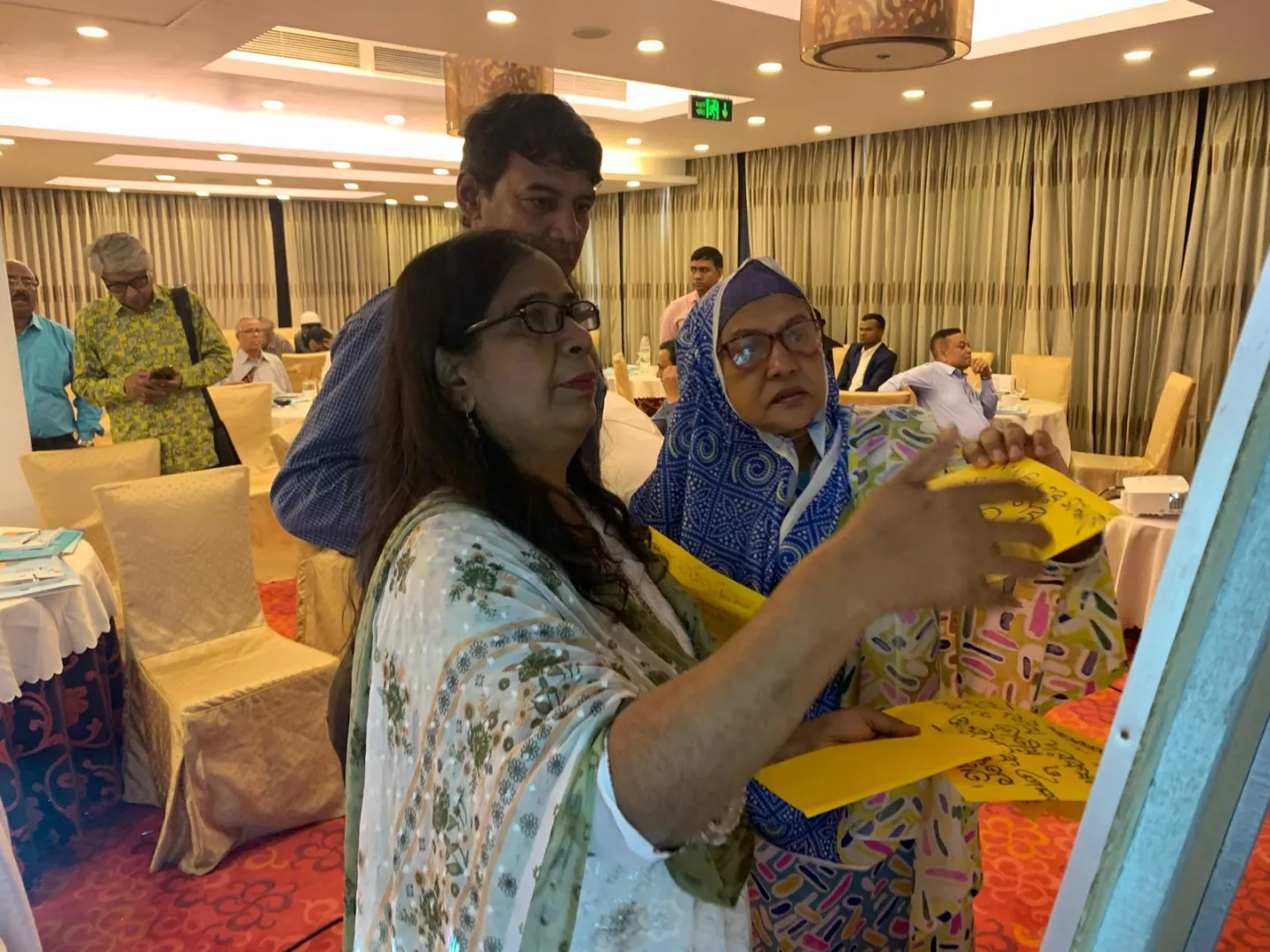
The consultation’s most dynamic exchanges centred on the shared challenges and opportunities perceived by different tripartite partners. Government representatives noted the need for stronger coordination among ministries, emphasizing that labour, trade, and investment reforms often move forward without a unified platform—an issue of growing importance as Bangladesh prepares for Least Development Country (LDC) graduation.
Employers described the burden of overlapping buyer audits, which consume resources and generate compliance fatigue, reinforcing the need for more harmonized expectations. Workers’ representatives identified gaps in awareness at the factory level, underscoring that while RBC and due diligence are discussed widely at national forums, many workers lack clarity on how these frameworks translate into their rights. Issues of transparency, accountability, and trust were common across constituencies.
Setting the context for responsible business conduct
The consultation opened with an overview of how responsible business practices can support Bangladesh’s economic and social ambitions. Presenters highlighted global frameworks, including the ILO MNE Declaration, the OECD Guidelines, and the UN Guiding Principles on Business and Human Rights, as complementary tools for enhancing policy coherence, improving working conditions, and strengthening supply chain resilience. Lessons from other countries illustrated the value of national focal points and sector‑level platforms in driving long‑term improvements.

Aligning growth with responsible business practices in Bangladesh
With Bangladesh’s graduation from LDC status approaching, the country’s need to promote responsible business conduct has become increasingly urgent. The ILO convened the tripartite consultation to explore how Bangladesh can better align its economic goals with labour rights, sustainability, and the growing global expectations around human rights due diligence and ethical sourcing.