Just transition
Towards a Just transition in Viet Nam’s pulp and paper industry
With green and digital transformation accelerating, Viet Nam’s pulp and paper sector is in urgent need to reposition its future.
16 June 2025
HA NOI, ILO News – Viet Nam’s pulp and paper industry stands at a critical crossroads, navigating the dual forces of green transition, and automation. In 2024, the sector produced over 6.8 million tons of paper, with packaging paper alone accounting for nearly 5.9 million tons, marking a 6.5% increase from the previous year, according to Viet Nam Pulp and Paper Association. These figures reflect a growing demand, especially for sustainable packaging, but also mask rising pressures facing the industry.
A sector under pressure
While production is growing, Viet Nam’s pulp and paper industry is facing rising pressure to modernize and adapt. Automation is significantly impacting labour demand on production lines, while requiring a new skills set. At the same time, factories, particularly among small enterprises, face the challenge of complying with stricter environmental regulations. The sector remains reliant on imported materials and is exposed to trade and supply chain disruptions.
These changes are particularly challenging in remote production areas, where attracting skilled workers is difficult and livelihoods are closely tied to natural resources.
Why Just Transition matters
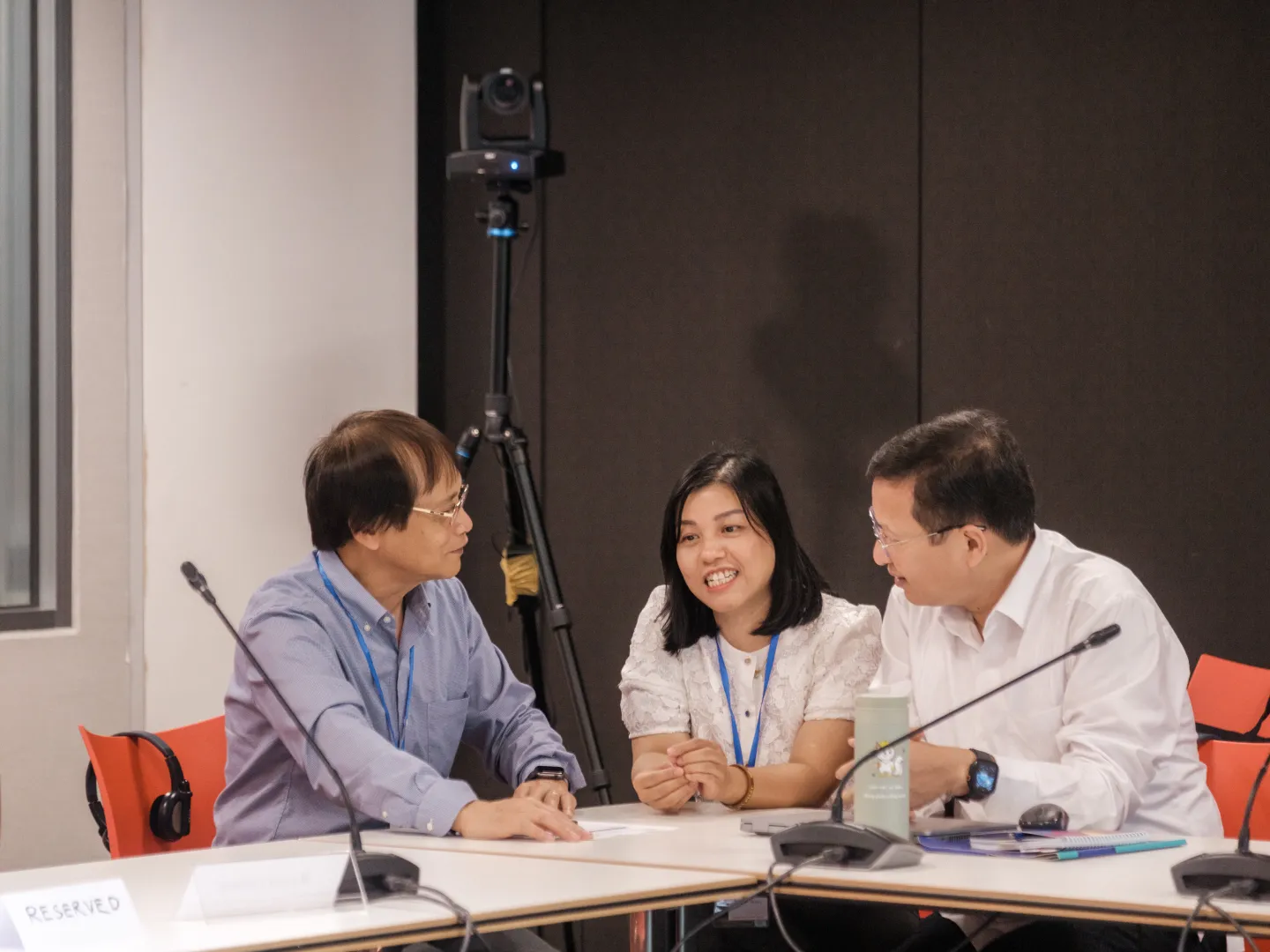
In response to these shifts, the International Labour Organization (ILO), through the ILO/Korea Partnership Programme, hosted a technical meeting on 27 May 2025 in Hanoi, bringing together representatives from government, employers’ and workers’ organizations, business associations, research institutes, academia, and other relevant stakeholders to discuss how a Just Transition approach, guided by the ILO Guidelines for a Just Transition towards Environmentally Sustainable Economies and Societies for All [*], can support sustainable and equitable change.
The pulp and paper sector remains an important pillar for both trade and employment, especially for workers in SMEs. Just Transition provides a framework to manage change in a fair, inclusive, and forward-looking manner, where climate action supports, rather than compromises, decent work and sustainable enterprise development.
Ingrid Christensen, Director of the ILO Country Office for Viet Nam
Participants noted that while awareness of sustainability and social responsibility is increasing, many enterprises, particularly small and medium-sized ones, lack the tools, guidance, or financial resources to apply Just Transition measures effectively. They called for tailored support, clearer implementation frameworks, and more practical engagement at the enterprise level. Key priorities included stabilizing jobs and incomes, strengthening social dialogue, and promoting inclusive policies to ensure no one is left behind.
“Just Transition is an opportunity to include those historically been excluded and marginalised from economic development and the labour market, such as women, youth, and other vulnerable populations. It is also an opportunity to advocate for a more just and equitable society”, said Fredy Guayacan, ILO Senior Specialist on Environment and Decent Work.
Supporting the transition through collaboration and inclusive and integrated approaches
The shift toward a greener and fairer industry is being supported through national efforts and regional cooperation. Hochul Shin, Chief Technical Advisor of the ILO/Korea Partnership Programme, emphasized the importance of collective action: “This initiative represents a collaborative effort to accelerate progress on the SDGs by mobilizing essential investments to promote decent work and expand social protection at both regional and global levels. It is meaningful that the ILO/Korea Partnership Programme will support a Just Transition in Viet Nam’s pulp and paper industry – an industry at a critical turning point as the country strives for becoming a Pathfinder for the Global Accelerator”
Kyoung-hee Chong, Social Protection Expert, shared Korea’s 2018 experience: “Faced with rising labour costs and restructuring, Korea implemented a bold, three-year government-led strategy. Backed by employment insurance and tripartite cooperation, it ensured a just transition through shared responsibility and resilience.”
As Viet Nam advances its green economy agenda and charts its industrial development strategy toward 2045, the pulp and paper industry offers a practical case for how to balance productivity, environmental responsibility, and social inclusion. A Just Transition is not only a policy commitment, it is a shared pathway toward resilience, competitiveness, and decent work for all.
[*] ILO guidelines for a just transition towards environmentally sustainable economies and societies for all which were adopted in 2015 and published in 2016, emphasize decent job creation, expanded social protection, and inclusive stakeholder engagement to ensure climate action delivers broad benefits while minimizing its potential negative impacts. The guidelines focus on nine key areas: macroeconomic policies, industrial strategies, enterprise development, skills training, OSH, social protection, active labour market policies, rights, and social dialogue and tripartism.