

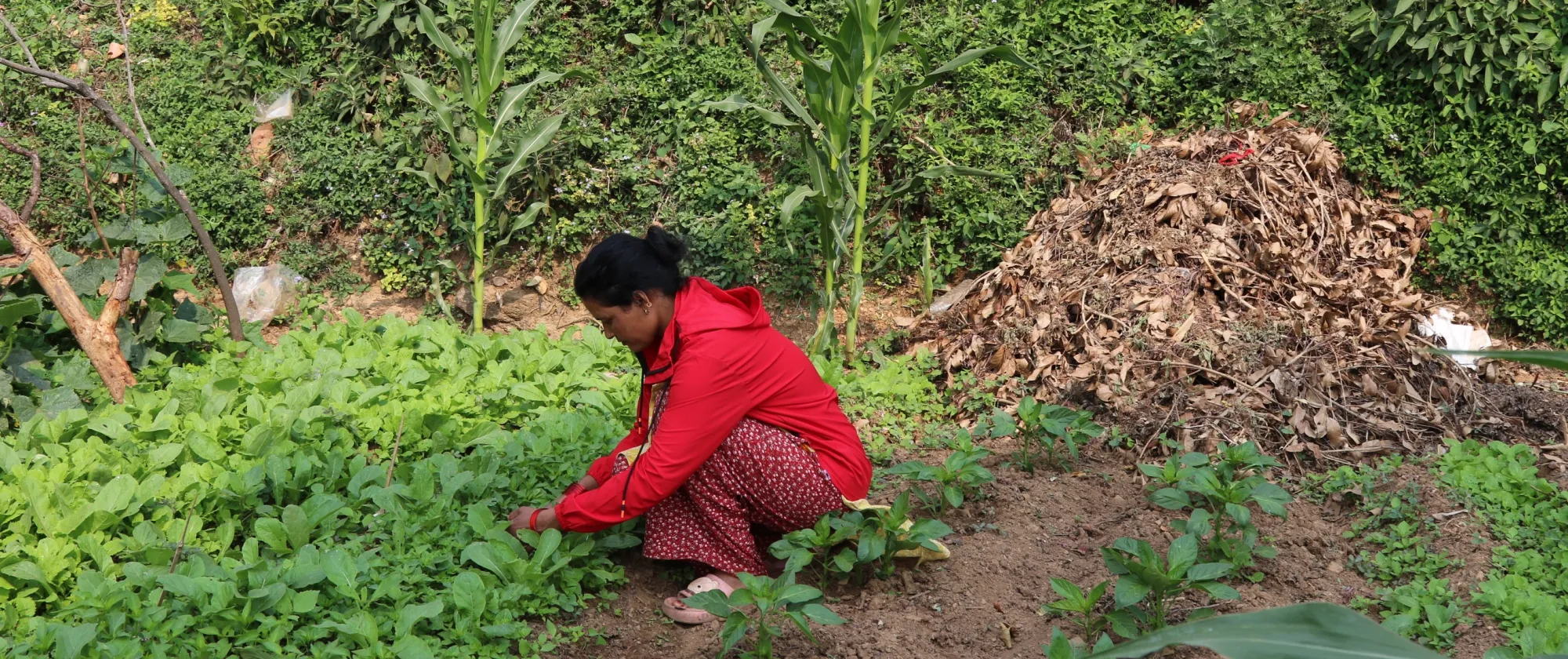
Just Transition
Towards a just transition: Shaping Nepal’s green and inclusive future
Nepal is striving for a Just Transition to a green and inclusive economy amid escalating climate challenges such as floods, droughts, and glacial melt. This approach provides a vital pathway to sustainable growth by promoting decent jobs, social protection, and inclusive climate action, ensuring no one is left behind.
25 June 2025
KATHMANDU, Nepal (ILO News) – Nepal’s climate-vulnerable economy, heavily reliant on agriculture, tourism, construction, and forestry, is already grappling with the impacts of climate change such as droughts, heavy rainfall, floods, glacial melting, and heatwaves. These disruptions together with inadequate social protection mechanisms are threatening livelihoods, food security, and employment, disproportionately affecting informal workers, rural communities, and women, while worsening poverty and inequality.
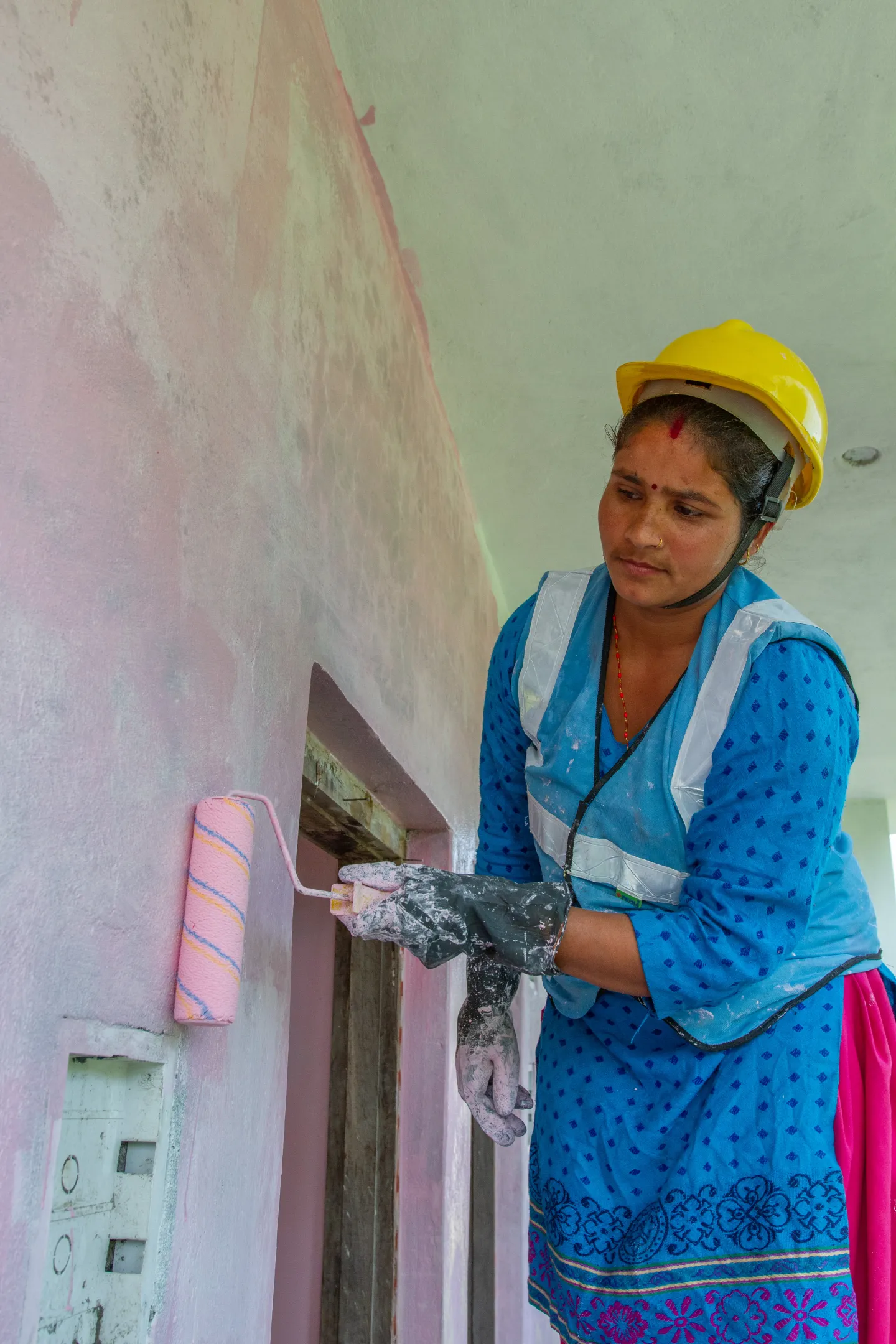
Despite these challenges, the transition toward a greener and more climate-resilient economy presents a vital opportunity to create decent jobs, foster sustainable enterprise development, and strengthen social protection systems. However, this shift must be managed inclusively to avoid deepening existing socio-economic vulnerabilities and bringing human-centred approach while taking any climate actions or transitions.
In a pivotal move to integrate climate action with social equity, the ILO, in collaboration with the Government of Nepal, convened a national sensitization workshop on Just Transition on 25 June 2025 bringing together around 50 representatives from relevant government ministries, employers’ and workers’ organizations, private sector actors, UN agencies and other development partners, and civil society. It focused on the critical role of Just Transition in Nepal’s development agenda and exploring ways to implement just transition component built into the country’s third Nationally Determined Contributions (NDC 3.0) and the ongoing initiative of Global Accelerator on Jobs and Social Protection for Just Transitions.
At the opening, representatives from the ILO and the Ministry of Labour, Employment and Social Security (MoLESS) underscored the need for national ownership and social dialogue to ensure no one is left behind in the transition process whether linked to climate transitions or trade/business transitions such as graduation from LDC.
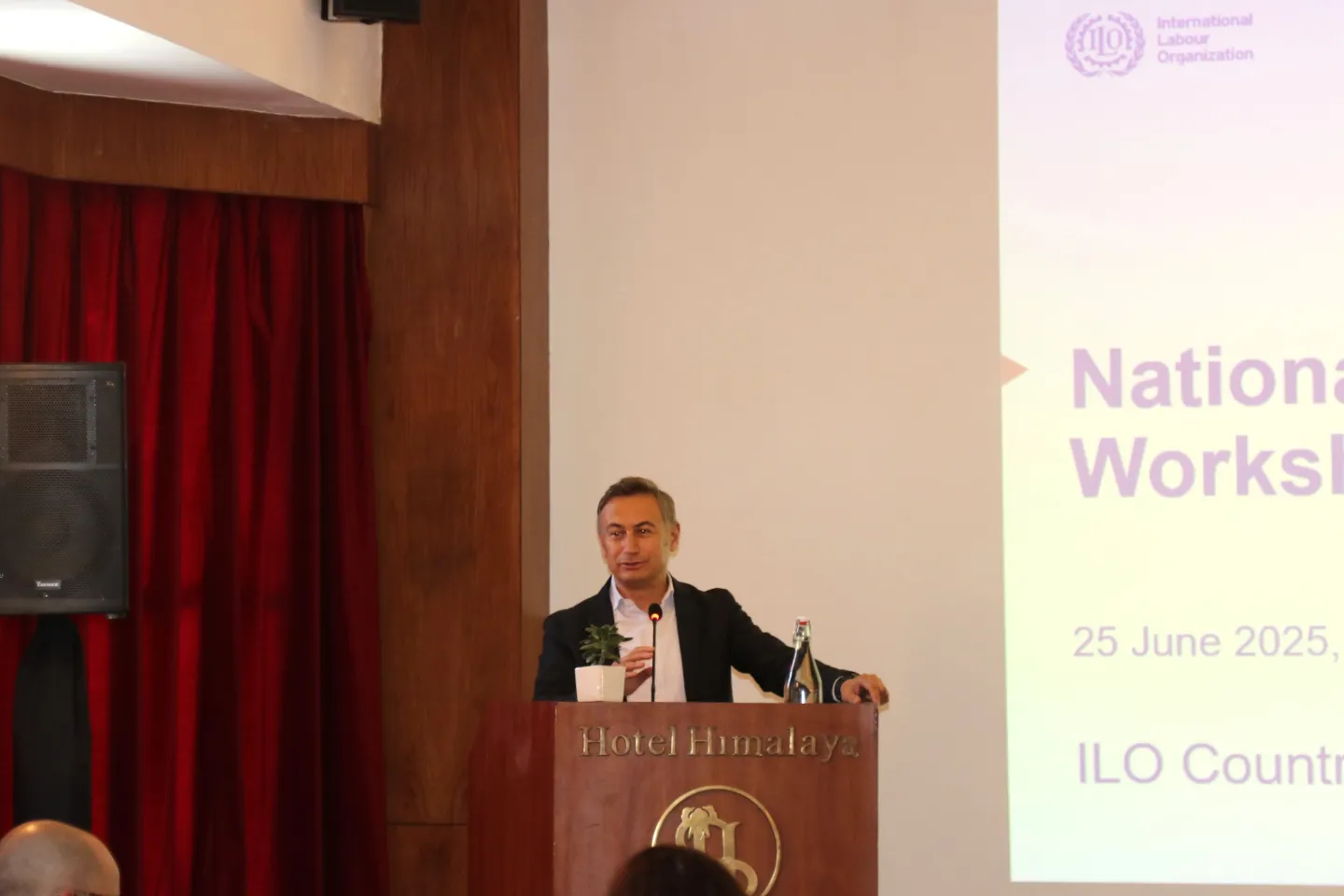
ILO Nepal Country Director Numan Özcan, highlighted, “The impacts of climate change—glacial melt, floods, droughts, and heatwaves—are threatening jobs and livelihoods in key sectors like agriculture, construction, tourism, and forestry. That’s why Just Transition is not something nice to have. It is a fundamental necessity.”
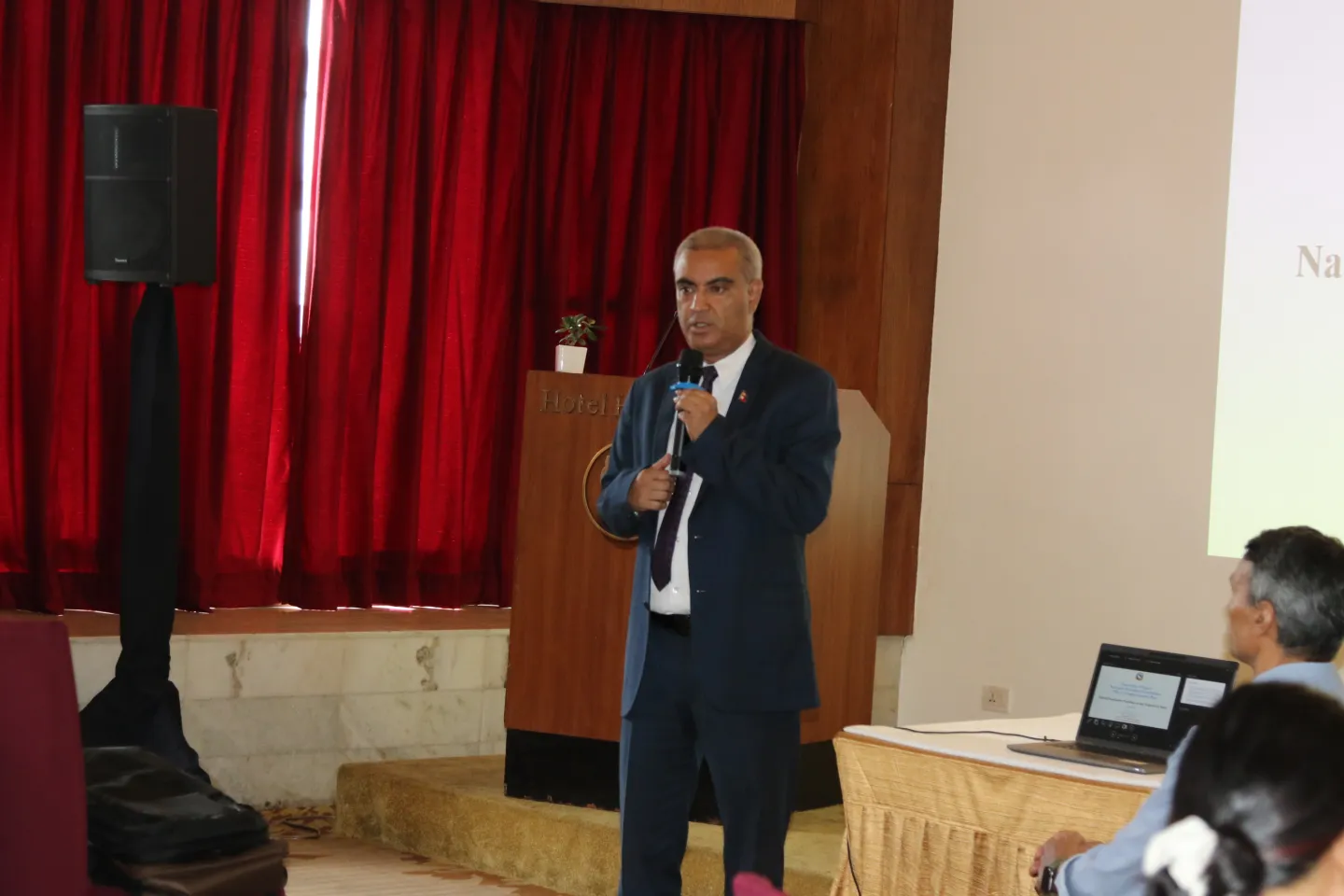
Delivering the keynote address, Mr. Naresh Sharma, Under Secretary at the Ministry of Forests and Environment, emphasized the inclusion of Just Transition as a cross-cutting theme in NDC 3.0 and reaffirmed the government’s commitment to low-carbon, climate-resilient development.
He emphasized, “Just Transition is about ensuring no one is left behind in the shift to a low-carbon economy. As we localize it in Nepal, we must mainstream it across sectors, integrate climate justice, and develop an inclusive implementation plan. This includes demonstrating climate rationale in Nationally Determined Contributions Implementation Plan (NDCIP) actions, tracking climate finance, and promoting green jobs and skills, especially for at-risk communities.”
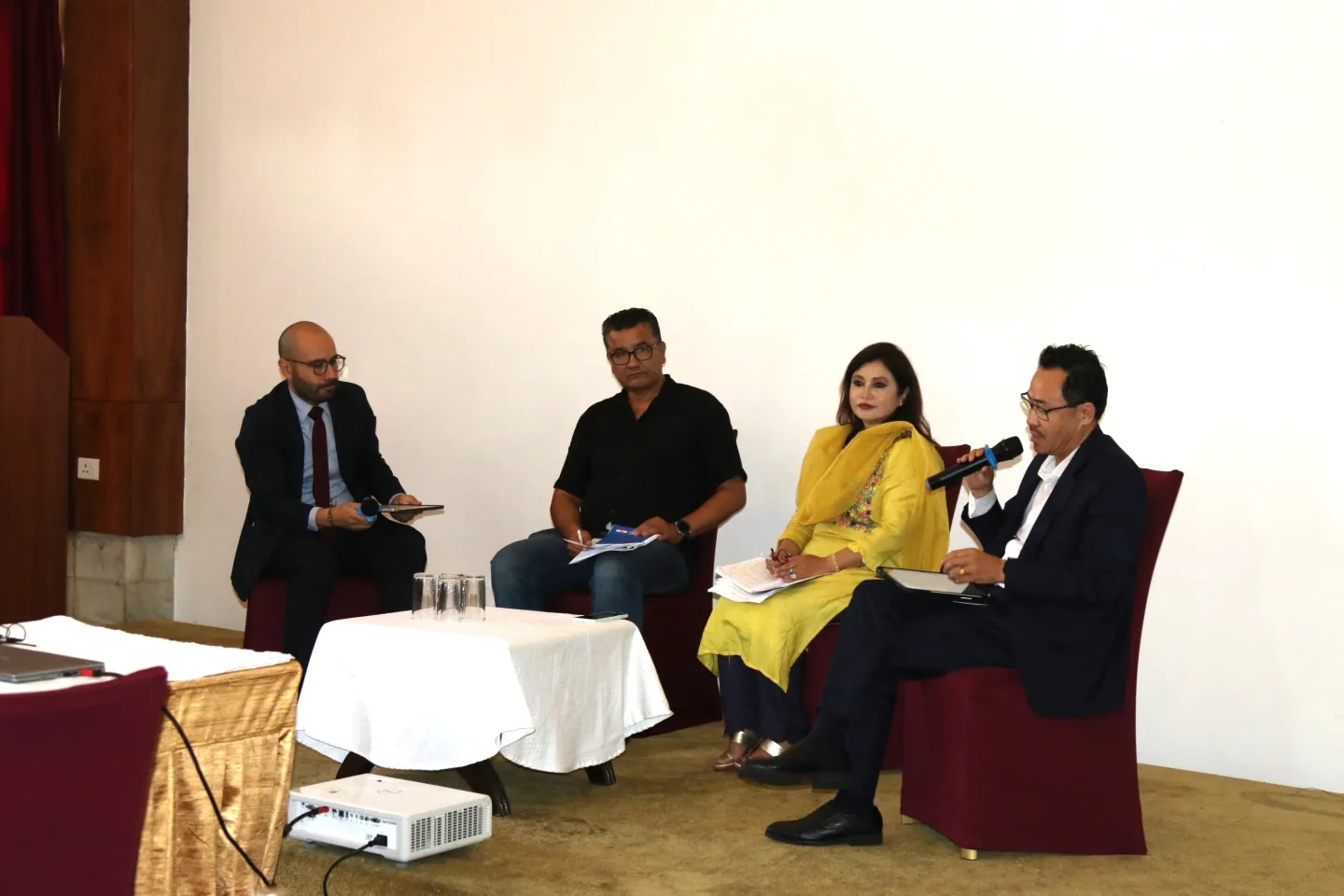
Workshop sessions covered the ILO’s Just Transition Guidelines, Nepal’s green development priorities, financing strategies, and the implications of trade and LDC graduation. Participants contributed to group discussions aimed at identifying sectoral priorities, institutional frameworks, and policy measures needed to shape Nepal’s Just Transition strategy including the one to implement just transition component of NDC 3.
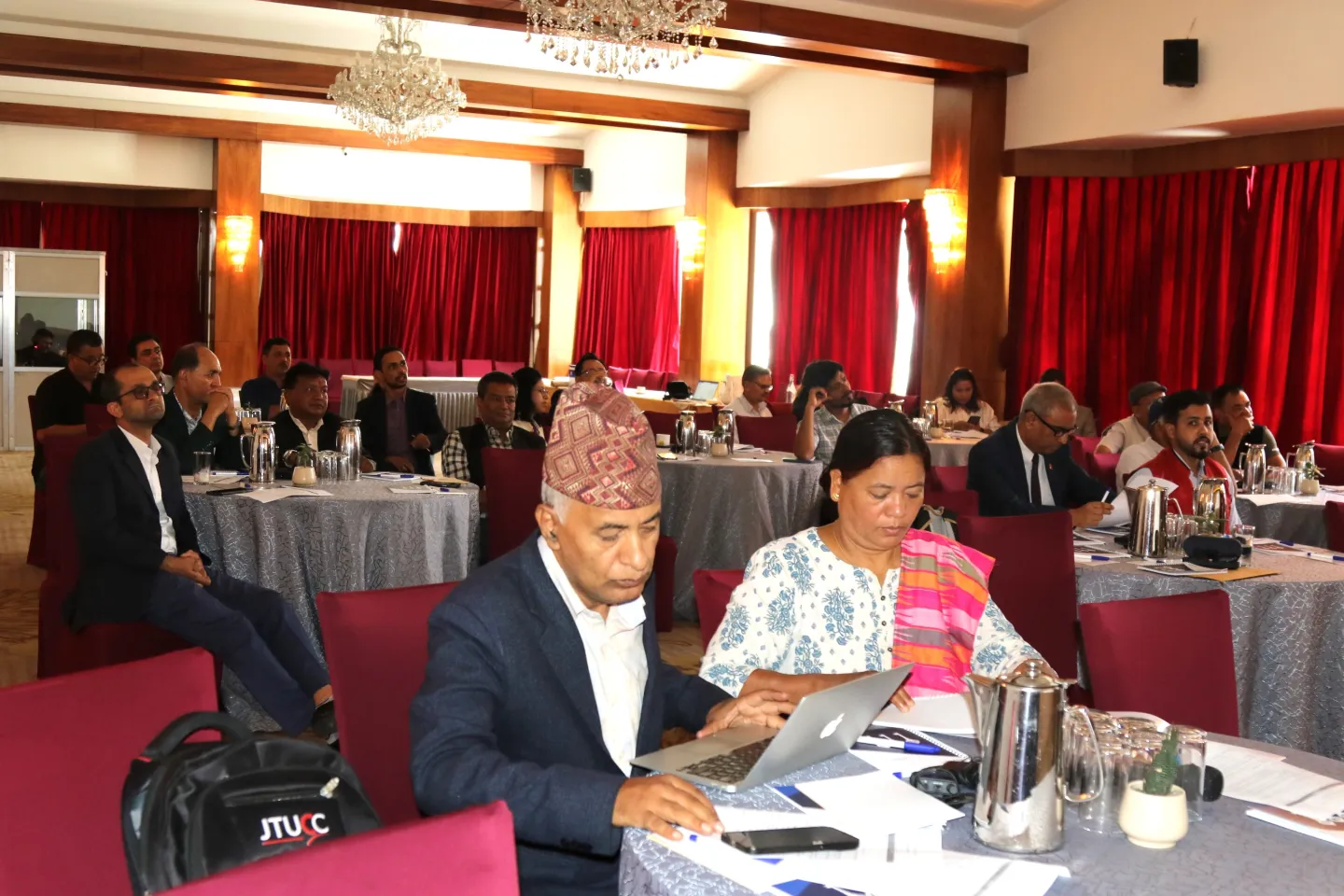
The event also contributes to the development of a Green Employment Diagnostic (GED) and a national roadmap under the Global Accelerator initiative, both aimed at identifying pathways for a greener, fairer and sustainable economy in Nepal.
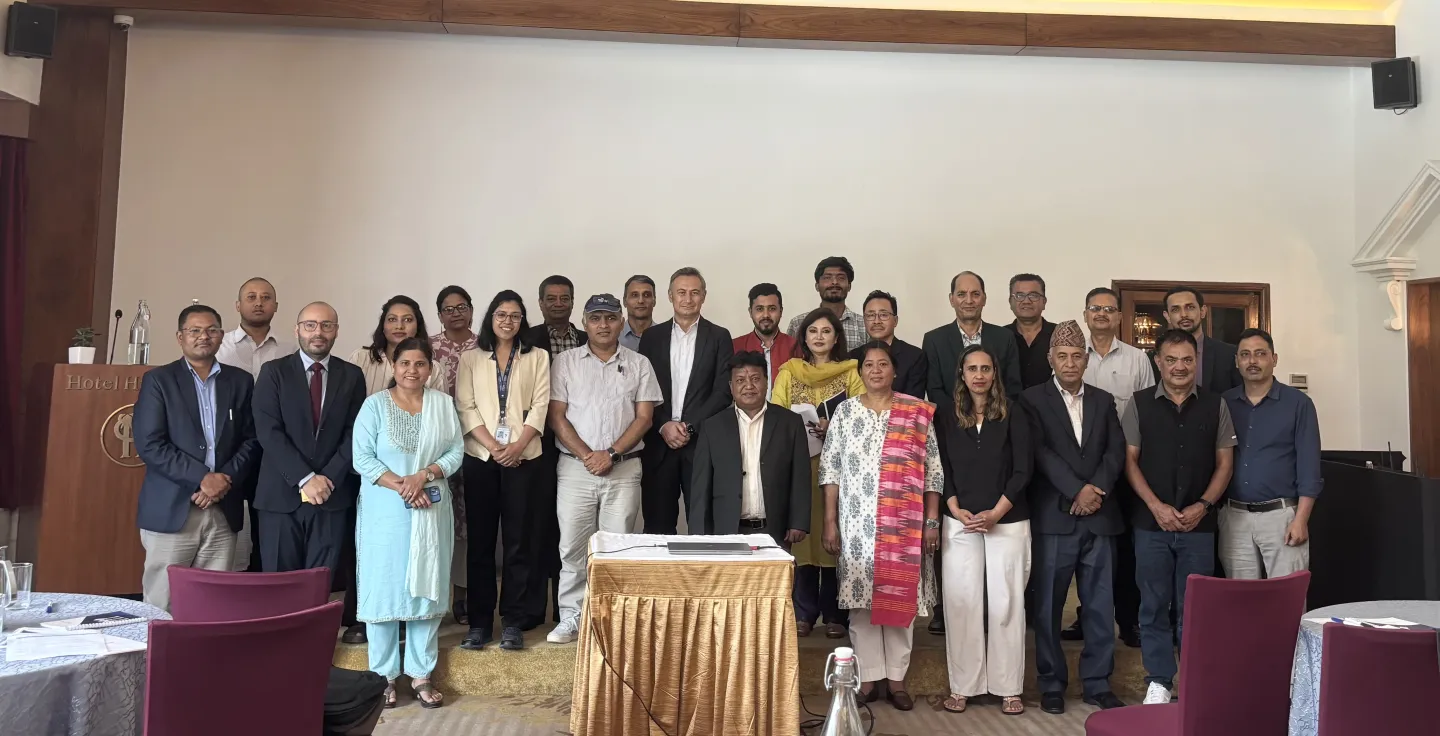
This milestone event has laid the groundwork for stronger multi-stakeholder collaboration and greater policy coherence in aligning climate action with decent work and social justice. The recommendations will directly inform the formulation of Nepal’s national Just Transition strategy, supporting the country’s broader goals under the Sustainable Development Goals and its climate commitments.
The concept of Just Transition, anchored in the International Labour Organization’s (ILO) guidelines, ensures that environmental sustainability and decent work go hand in hand. It promotes a fair and inclusive approach, equipping workers and communities with the skills and opportunities needed to benefit from the green economy as well as extending proper protection mechanisms while workers and businesses are affected due to the impact or transitions.
For further information, please contact:
Nistha Rayamajhi
Communications Officer