

Social protection reform
Towards comprehensive social protection in Indonesia
The ILO facilitates a consultation process in which Indonesia's tripartite partners discussed how the ILO’s Convention on Social Security can inform upcoming reforms in the country.
27 June 2025
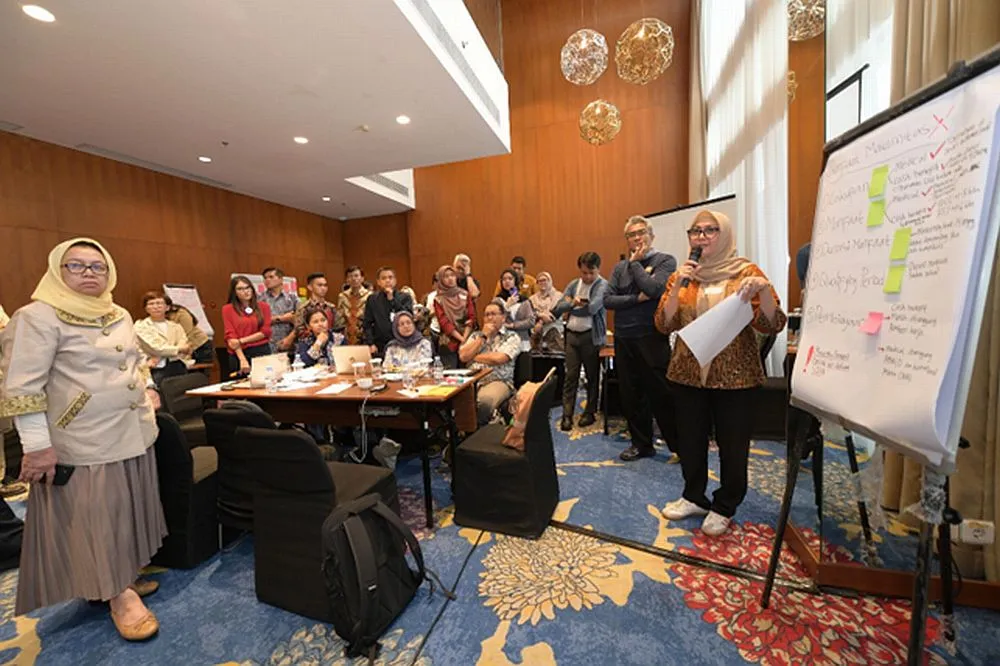
JAKARTA, Indonesia (ILO News) - In light of Indonesia's upcoming social security reforms, the ILO organized a National Tripartite Consultation in Jakarta on 24 June to highlight the value of applying ILO Social Security Standards, particularly the Social Security (Minimum Standards) Convention, 1952 (No. 102). This initiative aims to strengthen the national system, progressively extend legal and effective coverage, and ensure comprehensive protection and benefit adequacy.
The event brought together key stakeholders from government, employers, and workers, including the Ministry of Manpower, Ministry of Social Affairs, Ministry of Health, Ministry of Transportation, Coordinating Ministry for Economic Affairs, Coordinating Ministry for Community Empowerment, BPJS Employment, BPJS Health, Indonesia's Employers Association (APINDO), and ten representatives of workers' organizations—namely, the Confederation of All Indonesia Trade Unions (KSPSI), Confederation of All Indonesia Workers Unions (KSBSI), Confederation of Indonesian Trade Unions (KSPI), All Indonesia Trade Unions Confederation-AITUC (KSPSI-AITUC), Confederation of Indonesian Moslem Trade Union (K-Saburmusi), Confederation of National Trade Unions (KSPNasional), Confederation of Indonesia Prosperous Labour Unions (K-SBSI), Confederation of Nusantara Trade Unions (KSP Nusantara), Confederation of Indonesia Labour Union Alliance Congress (K-KASBI), and the Confederation of All Indonesia Trade Union Reform (KSPSI Pembaruan).
The upcoming reform is a promising opportunity to fully align Indonesia’s system with international standards and best practices to ensure comprehensive and adequate protection.
Nunung Nuryartono, Chairperson of National Social Security Council (DJSN)
The Tripartite Consultation built on previous engagements, including capacity-building activities on international standards and technical meetings with representatives of the Government of Indonesia, employers, and workers. These activities, financially supported by the Government of Japan, served as a platform to present, discuss, and examine the ILO's preliminary assessment of the Indonesian social protection schemes against the principles and parameters set out by Convention No. 102. The report has been prepared within the framework of the ILO Global Ratification Campaign and is part of the ILO's efforts to systematically promote the ratification and effective implementation of updated ILO standards on social security.
“The upcoming reform is a promising opportunity to fully align Indonesia’s system with international standards and best practices to ensure comprehensive and adequate protection,” remarked Nunung Nuryartono, Chairperson of National Social Security Council (DJSN).
The transformation of Indonesia's social security system began with the enactment of Law No. 40 of 2004 concerning the National Social Security System (SJSN) and Law No. 24 of 2011 concerning the Social Security Organising Agency (BPJS). This transformation is characterized by several milestones, including the recognition of social security as a human right, the integration of health and employment social security into the SJSN law, the regulation of social security organizers through the BPJS law, the achievement of universal healthcare coverage, and the expansion of certain benefits to self-employed persons and non-wage workers.
However, SJSN faces significant challenges, including low coverage, fragmentation, and duplication. These issues highlight the necessity of amending the SJSN Law, aligning with the initiatives of the House of Representatives and the Regional Representative Council to revise the law as part of the Medium-Term National Legislation Programme (Prolegnas).
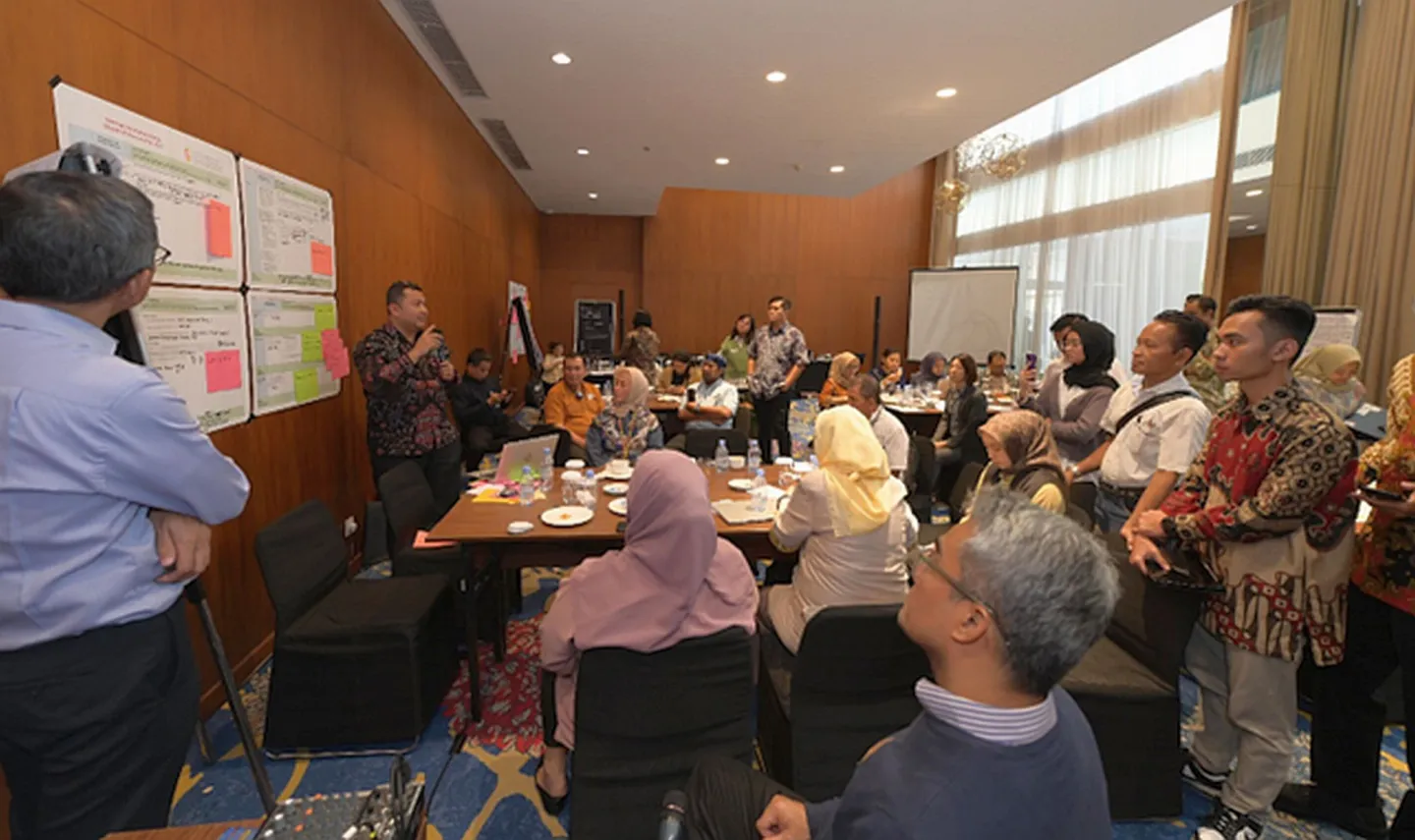
During the consultation, several key recommendations were discussed to enhance the comprehensiveness, adequacy and sustainability of Indonesia's social security system. These included removing legal barriers to pension system participation; ensuring broader coverage beyond employees of large and medium-sized enterprises; improving the adequacy of old-age pensions; increasing complementarity between pension benefits (social insurance) and old-age benefits (provident fund); enhancing the effectiveness of unemployment benefits by reducing the requalification period for entitlement; and transitioning from employer-liability maternity leave to cash maternity benefits provided under the SJSN.
Related content
Social protection
Promoting and Building Social Protection in Asia (Indonesia - 4th phase)
Relevant projects
Social protection
Promoting and Building Social Protection in Asia (Indonesia - 4th phase)

Promoting and Building Social Protection in Asia (Viet Nam - 4th phase)