

Institutional capacity building
Stronger institutions for more effective business representation in Libya
The ILO supported three capacity-development programmes with member chambers of the General Union of Libyan Chambers of Commerce, Industry and Agriculture to identify institutional priorities and concrete actions for stronger business representation, member engagement and services.
15 October 2026
Libya (ILO news) – The International Labour Organization (ILO), through its Bureau for Employers’ Activities (ACT/EMP), is supporting the General Union of Libyan Chambers of Commerce, Industry and Agriculture (GLUCC) and its member chambers in strengthening their institutional capacities to better represent, engage with and provide services to Libya’s business community.
As part of this cooperation, three five-day capacity-development programmes were delivered in September 2026 with GLUCC member chambers in Zliten, Jabal al Akhdar and the Western Region/Zuwara. The programmes brought together 52 participants, focusing on governance and human resources, advocacy and representation, membership development, communication and visibility, member services and institutional action planning.
The programmes were designed not simply as training activities, but as a first step towards addressing concrete institutional priorities identified with GLUCC and its member chambers. Practical exercises, role mapping, case discussions and action planning connected institutional concepts with the day-to-day realities of the participating chambers and the businesses they serve.
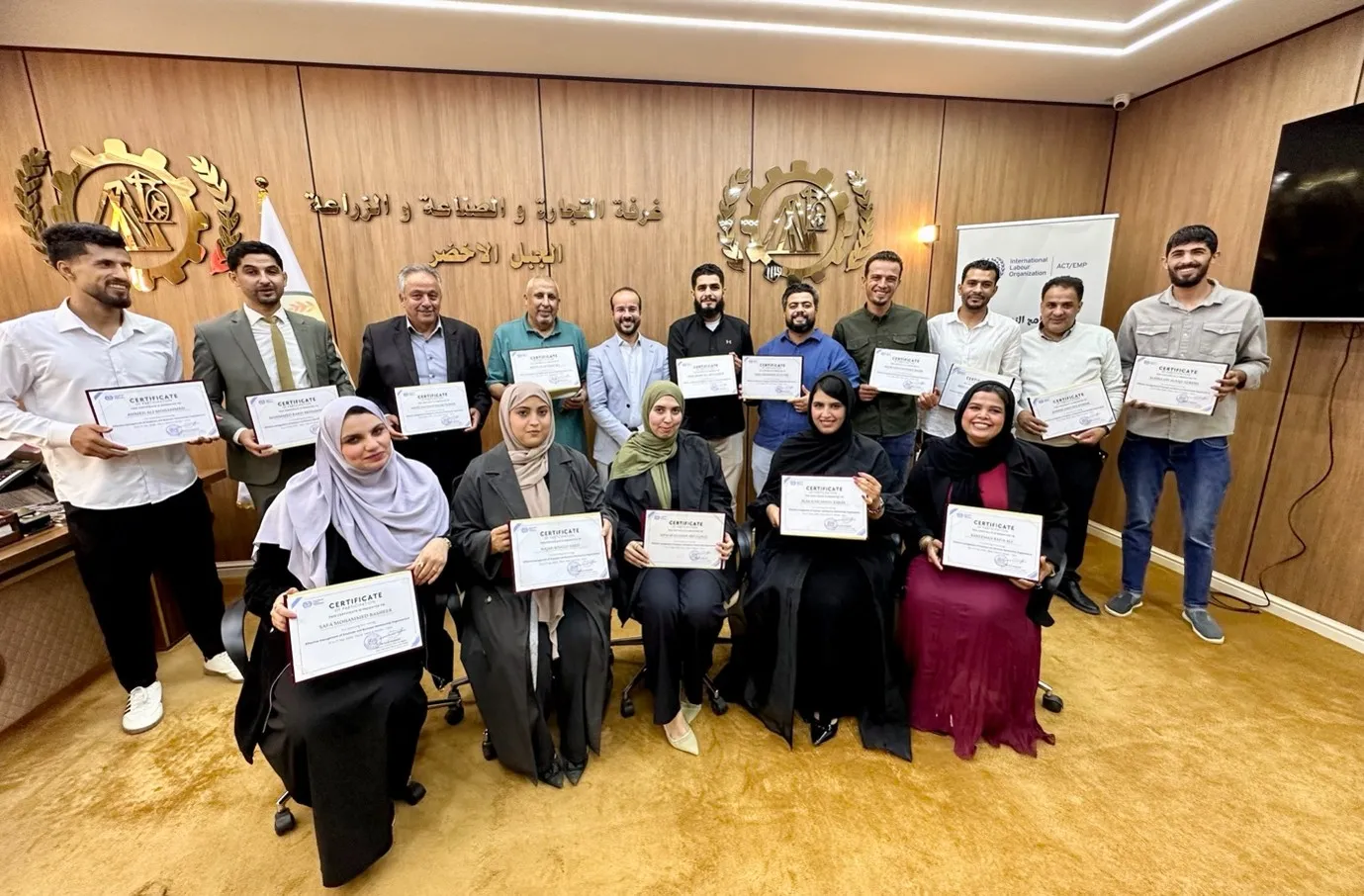
From learning to action: three chambers, three starting points
A common lesson emerged across the three programmes in Zliten, Jabal Al Akhdar and Zuwara: strengthening chambers requires more than developing individual capacities. It requires turning knowledge into clearer responsibilities, stronger institutional practices, better communication and services that respond to members’ needs.
For the chambers, the intended results are practical: more reliable points of contact, clearer information, more effective handling or referral of enquiries, and services increasingly shaped around expressed business needs. These results will be assessed through subsequent member consultations, service records and follow-up.
From capacity development to institutional change
The completion of the three programmes marks an important milestone, but not the end of the institutional development process.
The next phase will focus on accompanying GLUCC and its member chambers in translating these foundations into institutional systems and practices that can be sustained over time. Priorities include strengthening governance and HR frameworks, clarifying roles and procedures, improving member information and communication, and developing and testing services that respond to identified business needs.
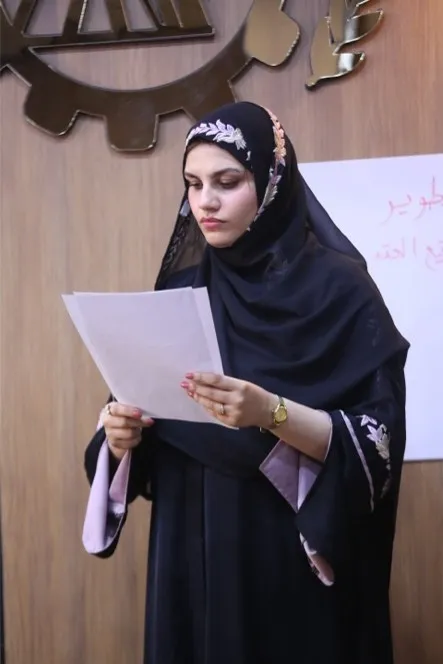
The follow-up roadmap envisages chamber leadership assigning responsibility for the action plans and confirming initial priorities; testing at least one member-facing service or process; strengthening priority roles and procedures; and progressively using evidence from member requests, consultations and service uptake to assess progress. GLUCC will play a coordinating role in reviewing progress across the participating chambers and identifying areas where further support is required.
Strengthening GLUCC from within
The initiative forms part of the ILO’s support to the General Union of Chambers of Commerce, Industry and Agriculture in advancing its 2026–2028 Strategic Plan, with a broader focus on institutional governance, human resources modernization and institutional capacity development.
Grounded in the institutional realities and priorities of GLUCC and its member chambers, the programme is helping translate capacity development into stronger business representation, more effective member engagement and services that respond more closely to the needs of Libya’s business community.
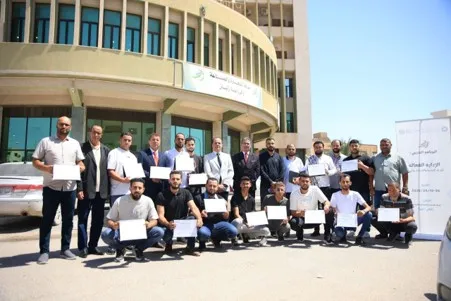
Through ACT/EMP, the ILO continues to work alongside employers’ and business membership organizations in Libya, supporting them in becoming stronger, more representative and more effective organizations for the enterprises they serve, while contributing to social dialogue and sustainable private-sector development.