

Trade unions
Strengthening the future of Trade Unions in Bangladesh: Stories of women and youth leading the way
For years, many women and young people in Bangladesh’s trade union movement have faced an uphill struggle — striving to have their voices heard, to access leadership roles, and to shape decisions that directly impact their working lives. But today, that story is beginning to change.
30 April 2025
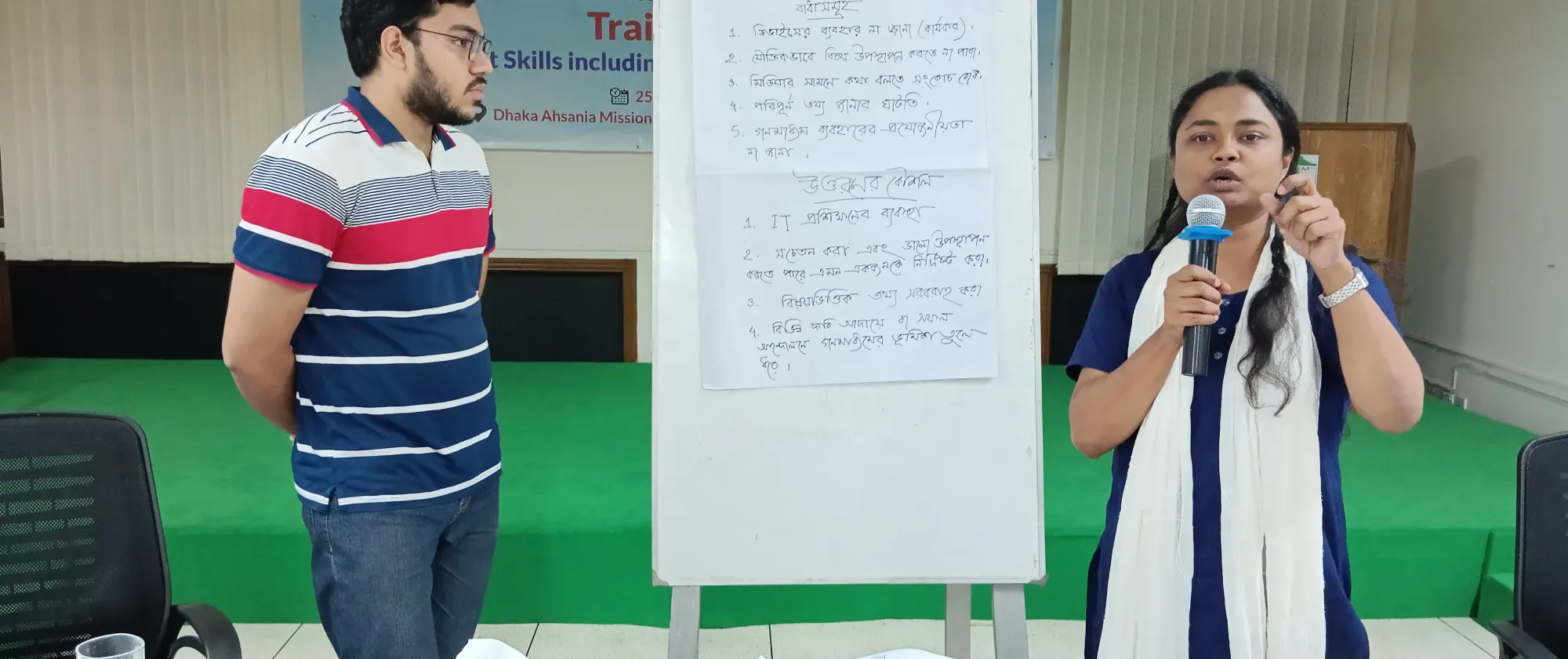
DHAHA (ILO News) - With support from the International Labour Organization (ILO), and in partnership with the Bangladesh Institute for Labour Studies (BILS) and the Workers Resource Centre (WRC), a new generation of leaders is emerging. Through a two-year initiative, Support for Effective and Inclusive Trade Unions in Bangladesh — funded by the Government of Germany through Gesellschaft für Internationale Zusammenarbeit (GIZ) Gmb — hundreds of women and young workers have been given the tools, skills, and confidence to step forward.
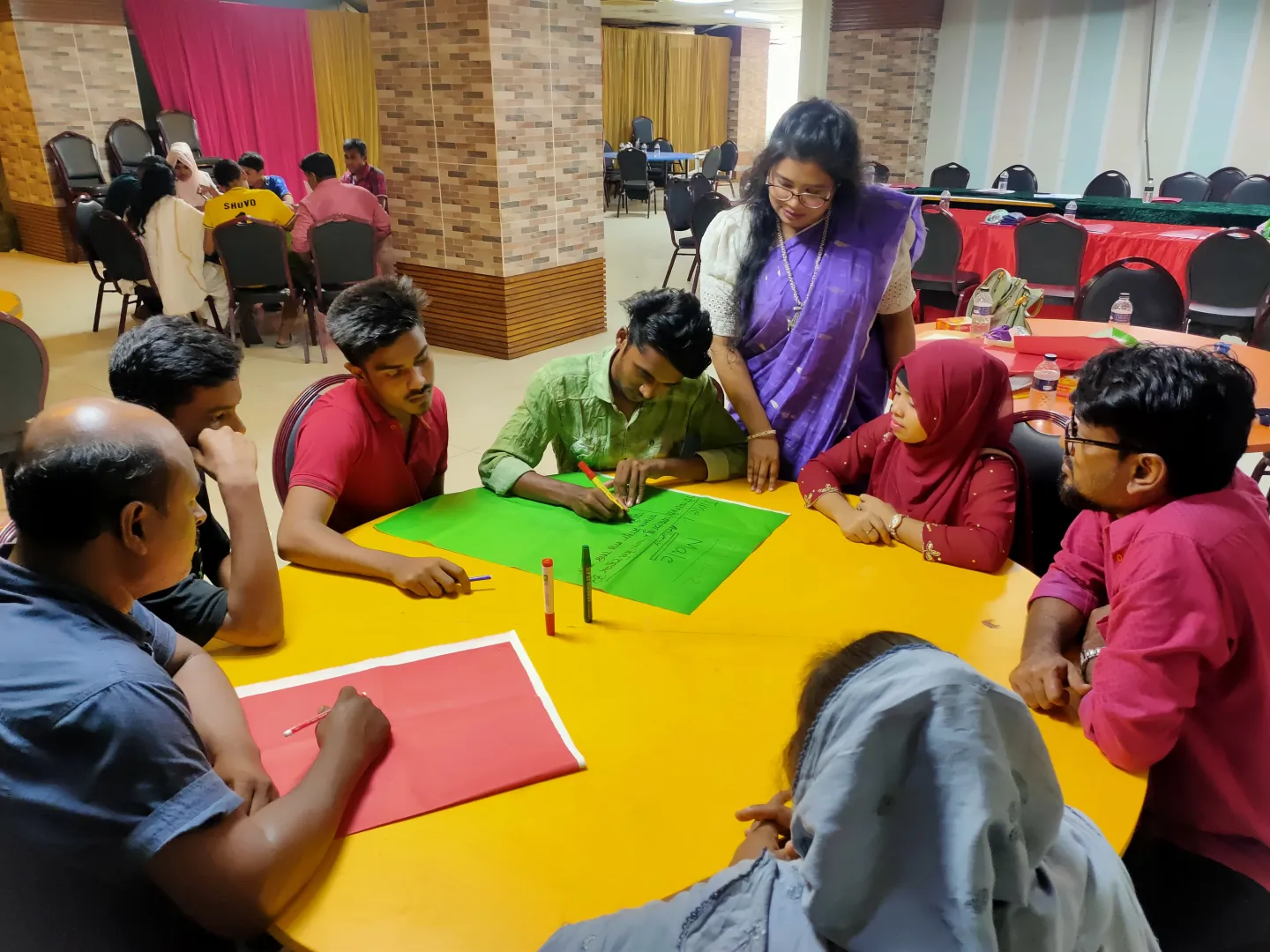
At the heart of this effort are people like Shehely Afroz Lovely, a veteran trade unionist with over 20 years of experience. Like many women in the labour movement, Shehely has faced obstacles — especially when it came to participating in negotiations and collective bargaining. But through the project’s master training programme, her journey took a new turn. Equipped with new knowledge and a practical collective bargaining toolkit, Shehely not only strengthened her own skills but has since become a mentor for others, passing on her knowledge to grassroots women workers and inspiring them to advocate for their rights with confidence.
Shehely’s story is not unique. Across Bangladesh, the project has reached wide and deep:
- 126 master trainers (41% women) were trained on topics ranging from gender equality and leadership to trade union management and industrial relations.
- These trainers went on to educate 390 grassroots members (46% women), building capacity where it matters most — at the workplace level.
- 45 young, aspiring leaders (51% women) from national federations gained practical skills in office management, financial transparency, IT, and communication, laying the groundwork for more accountable and transparent union leadership.
Beyond training, the project has sparked real organizational change. New youth and women’s committees have been formed, unions have developed position papers, strategies and policy briefs to guide advocacy, and 46 action plans—at both enterprise and national levels—have been launched to help unions turn their training into concrete reforms.
Importantly, these efforts are translating into visible changes
- More women and young workers are participating in union meetings, voicing their opinions, and taking part in decision-making processes.
- Senior leaders have reported a noticeable shift in attitudes toward more inclusive leadership and governance.
While the project spanned just two years, its impact is poised to last much longer. Through careful investment in local partnerships and capacity-building, a foundation has been laid for more democratic, inclusive, and representative trade unions in Bangladesh — unions that better reflect the diversity and aspirations of their members.
The future of Bangladesh’s labour movement is being shaped right now — by leaders like Shehely, and by countless others who have found new strength, new voices, and new hope.