


Strengthening the competencies of Occupational Safety and Health Officers in Kenya to prevent work related risks
The Ministry of Labour & Social Protection is training Occupational Safety and Health Officers (OSHOs) in Kenya with support from the International Labour Organization. This effort aims to enhance the prevention of occupational injuries and diseases and to establish a stronger national training framework.
26 May 2026

KENYA (ILO NEWS) – In workplaces across Kenya, occupational safety and health officers play a critical role in protecting workers’ lives. Whether investigating accidents, advising employers, or promoting safer and healthier practices, their work directly affects the safety, health, and well-being of thousands of workers.
Recognizing the importance and challenges of their role, the Directorate of Occupational Safety and Health Services (DOSHS), with support from the International Labour Organization (ILO), held a Training of Trainers (ToT) workshop in Nakuru County from 18 to 22 May 2026. The workshop aimed to enhance DOSHS officers' practical skills in hazard identification, risk assessment, accident investigation, and workplace inspection.
The initiative is implemented under the ILO project “Building effective OSH qualification systems and improving access to national occupational health services,” funded by the Government of the Republic of Korea in the framework of the ILO Global Programme Safety + Health for All.
“We appreciate this collaboration with the ILO to strengthen our team’s capacity and ensure our officers are prepared for current and emerging workplace challenges
Dr Musa Nyandusi, Secretary, Occupational Safety and Health Services.
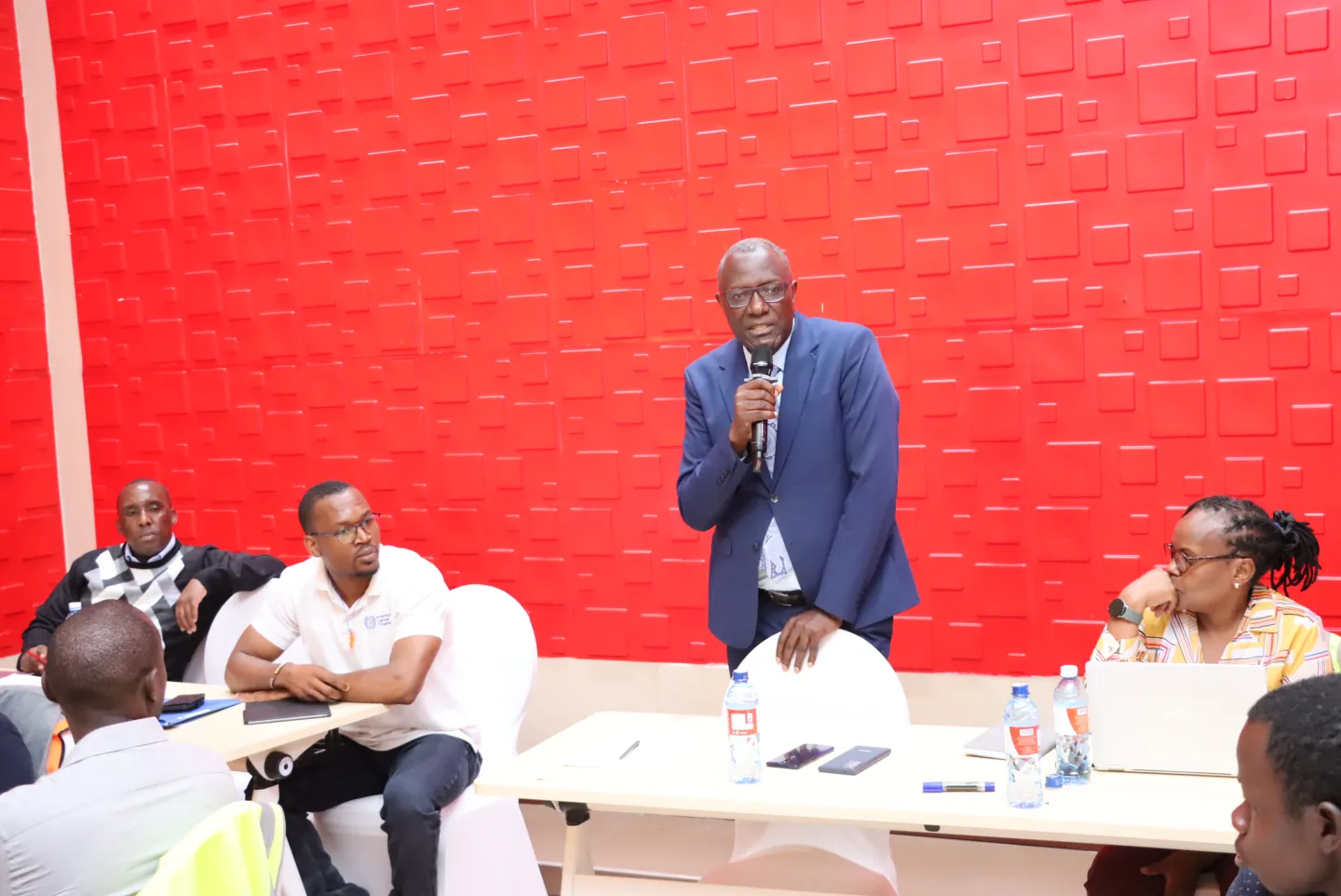
“Enhancing officers’ skills is key to improving prevention. When well-equipped, they can better protect workers, support enterprises and ensure compliance with the law. The knowledge gained through this training should be cascaded to other officers, permeating the Directorate and ultimately reflected in our daily work.”
DOSHS officers carry out a wide range of responsibilities, including inspecting workplaces, enforcing occupational safety and health legislation, investigating work-related accidents and diseases, and providing guidance to enterprises. However, their experience and training levels vary, leading to gaps in critical competencies.
Assessments revealed that officers face challenges in identifying hazards and risks and conducting workplace investigations, which limits their capacity to support prevention efforts effectively. The ToT workshop provided practical training aligned with international standards, empowering participants to share knowledge and extend benefits nationwide. This initiative also aims to strengthen workplace OSH management systems by comparing existing practices and models with guidelines on occupational safety and health management systems (ILO-OSH 2001) to identify gaps.
As part of the ToT, participants visited Rumi Flowers in Naivasha town to observe workplace conditions first-hand. The visit enabled officers to apply the training information by identifying hazards, assessing risks, and discussing control measures. It fostered dialogue with workplace representatives, raised awareness of occupational safety and health, and emphasized prevention. This hands-on experience helped participants translate theory into practice and boosted their confidence in identifying occupational risks and promoting prevention.
Strengthening the capacity of occupational safety and health officers is essential to ensuring safe and healthy workplaces for all workers and preventing work-related accidents, injuries and deaths in Kenya.
Bernard Foe Andegue, ILO lead facilitator.

"This initiative not only strengthens individual capacities but also helps build a sustainable compliance system that responds to Kenya’s realities while aligning with international standards."
The initiative highlighted the human dimension of occupational safety and health. Each strengthened inspection, each improved risk assessment, and each thorough investigation contributes to preventing injuries, illnesses and loss of life.
For participating officers, the training provided an opportunity to build confidence and enhance their ability to make meaningful changes. For workers, it translates into safer and healthier workplaces.
The initiative also supports the implementation of Kenya’s OSH legal framework, including the Occupational Safety and Health Act, 2007, which mandates DOSHS to promote safe working environments and build national capacity through training and research. The Occupational Safety and Health Institute will further support these efforts by providing a dedicated hub for learning and innovation.
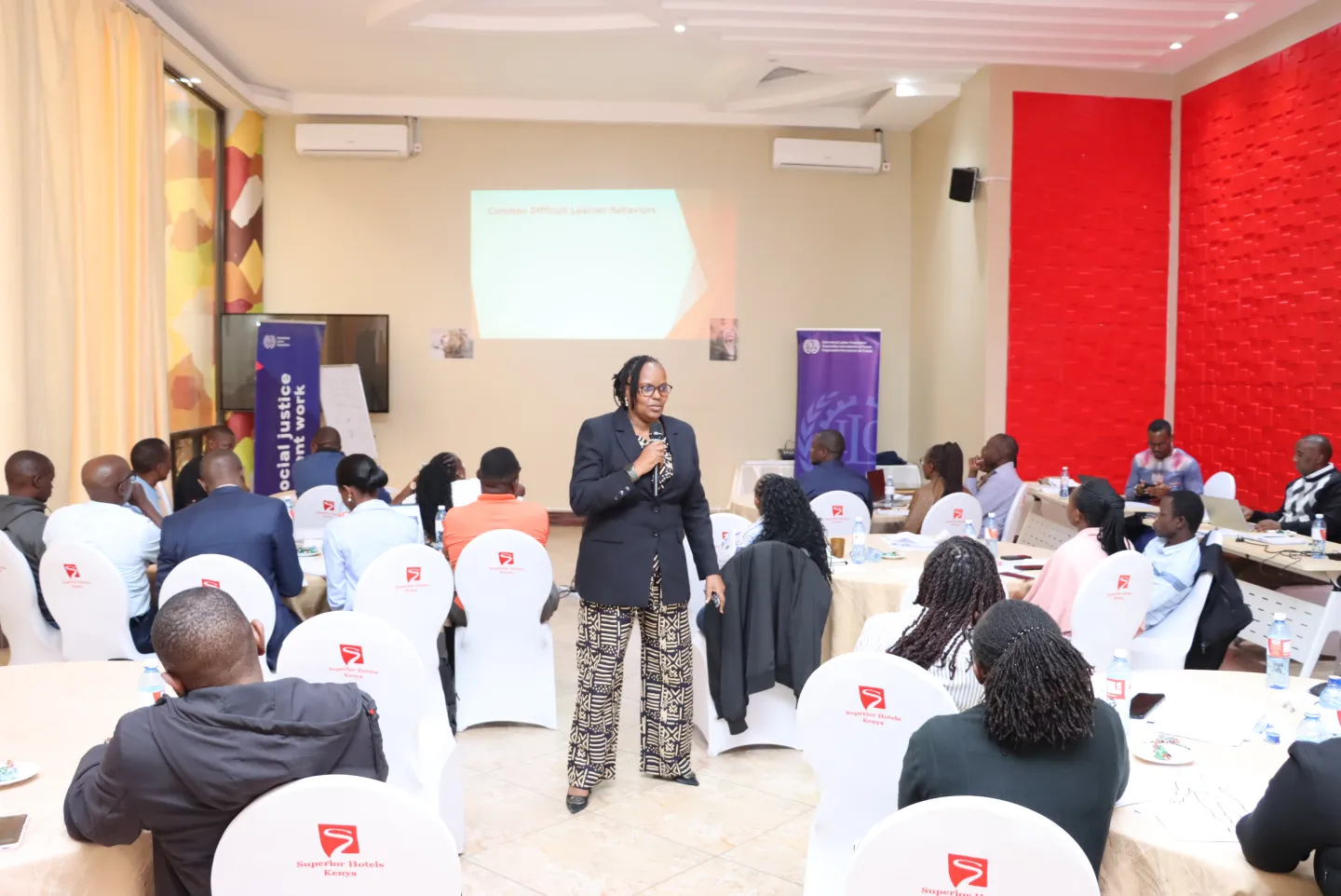
By combining the training with long-term system strengthening, this partnership demonstrates a holistic approach to improving occupational safety and health in Kenya.
As the country continues to build its capacity, the focus remains on people, ensuring that every worker in every sector can benefit from safer, healthier working environments and return home safely at the end of the day.
Related content
Project
Building effective OSH qualification systems and improving access to national occupational health services
ILO Flagship Programme
Safety + Health for All

Improving occupational safety and health (OSH) qualifications frameworks

Topic portal
Safety and health at work
Relevant projects
Project
Building effective OSH qualification systems and improving access to national occupational health services