

CLEAR Supply Chains project in Uganda
Strengthening child labour due diligence of coffee companies in Uganda
In the framework of the ILO’s Child Labour Platform (CLP), the CLEAR Supply Chains project provided capacity building on child labour due diligence to coffee company members of the CLP who source from Uganda.
19 March 2025
KAMPALA (ILO News) - Responsible business conduct is a key component of any action towards the prevention and elimination of child labour in supply chains. Through the adoption and integration of responsible business practices, enterprises can promote decent work for all and minimize both direct and indirect risks that might arise from their business operations. Recently, there has been shift from voluntary and soft legislation on responsible business conduct towards mandatory legislation, requiring companies to develop and implement measures to conduct due diligence in order to effectively identify, prevent and address adverse human rights and environmental impacts.
Leveraging on the Uganda country working group of the ILO’s Child Labour Platform (CLP) – a leading business initiative to eradicate child labour in supply chains – the CLEAR Supply Chains project, developed a capacity building programme for CLP members and their suppliers in Uganda, aimed at improving their capacity and understanding of child labour due diligence, and strengthening the shared commitment to address child labour across sectors.
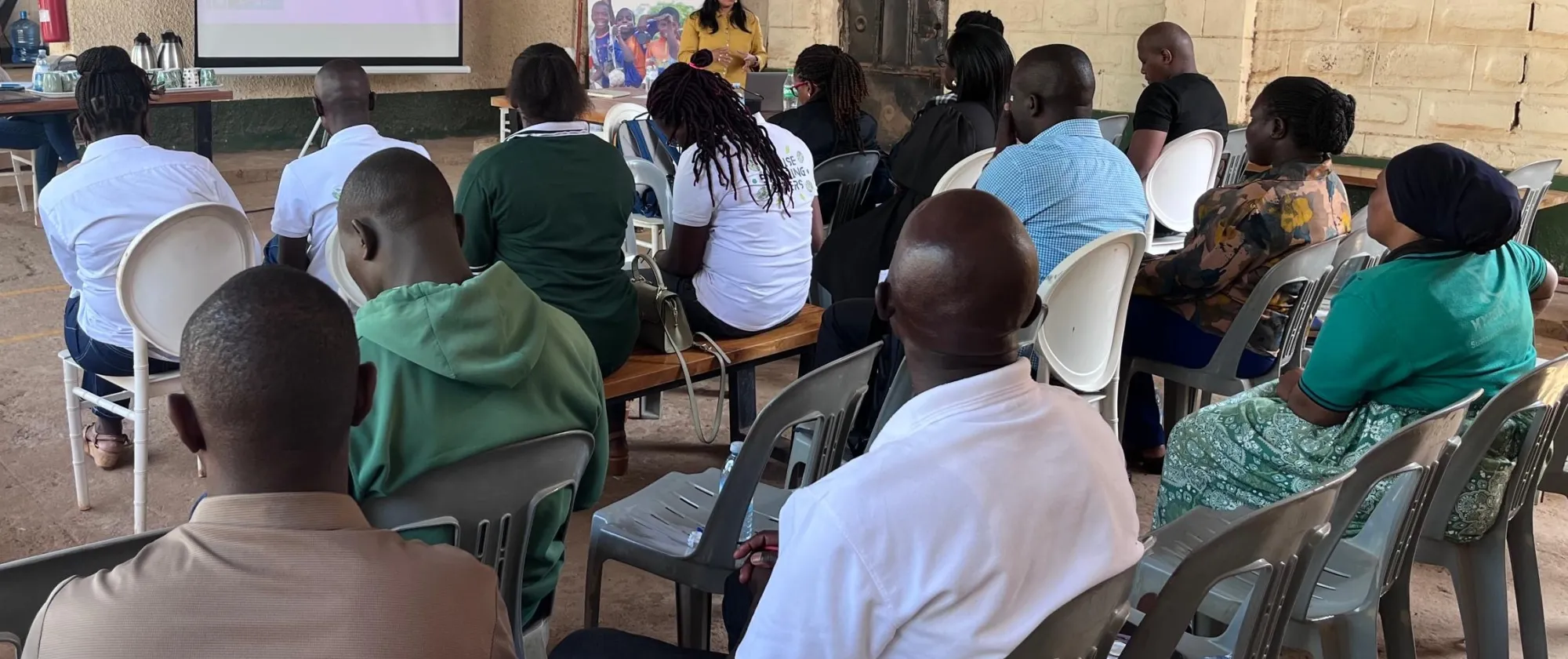
As follow-up to a preliminary training organized in September 2024 in Kampala and hosted by UGACOF, a two-days interactive workshop was delivered on 28-29 January 2025, to provide a deep dive into what child labour due diligence means and what it entails in practice. The practical-oriented training was hosted by Kyagalanyi Coffee Limited at their warehouse in Mbale Industrial Park. In total, 19 staff (13 women and 6 men) from 8 CLP coffee companies and suppliers participated[1].
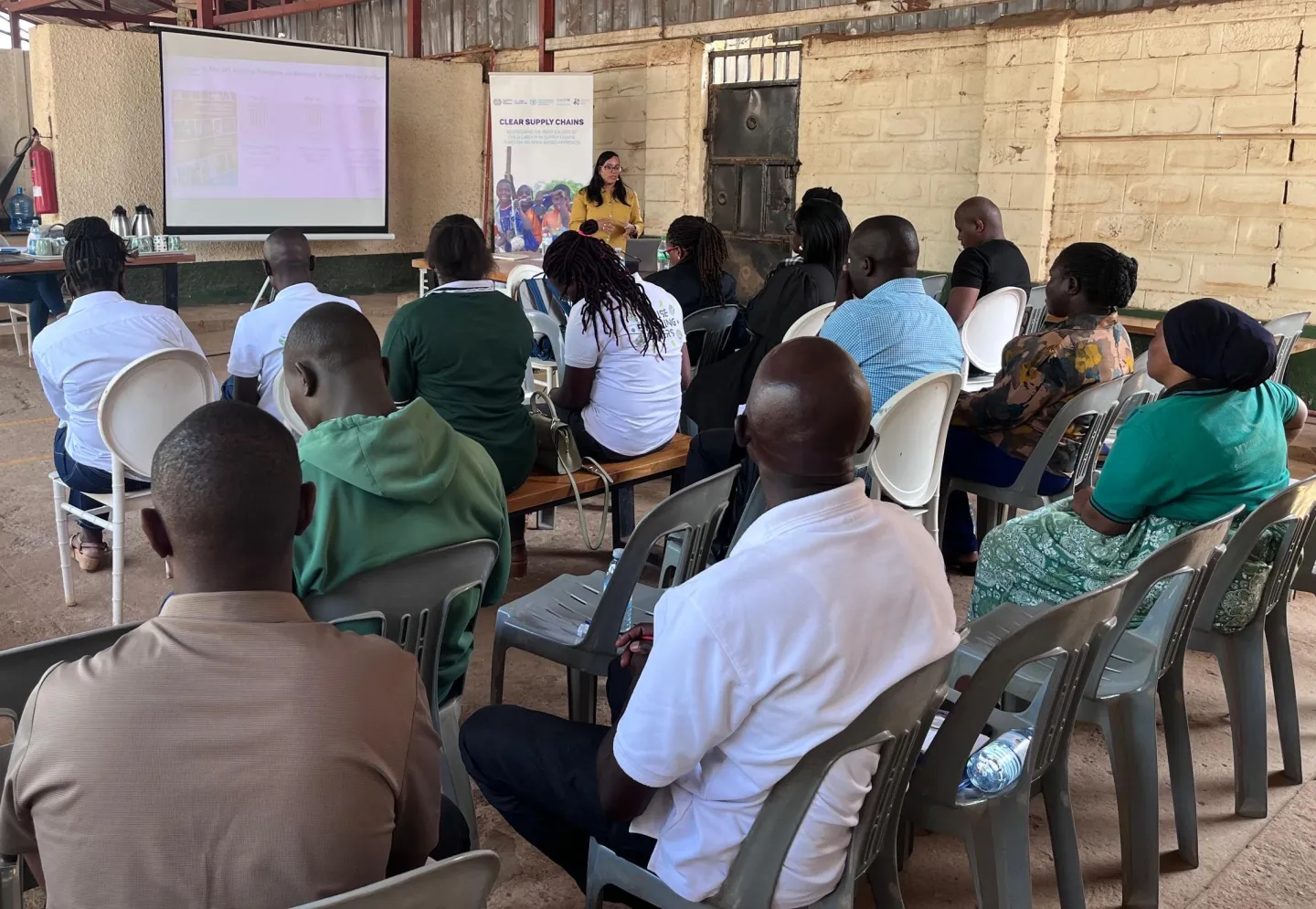
Participants learned about the link between responsible business conduct and child labour, key international and national legal and regulatory frameworks on human rights and child labour, as well as key definitions of child labour and the different steps of a child labour due diligence process – from developing a child labour policy, assessing and acting upon child labour risks and impacts, to tracking, monitoring progress, communicating and reporting on child labour. Participants also learned about and discussed the specific root causes of child labour in Uganda.
At the end of the training, participants felt more equipped and confident to address child labour issues within their company, had learned more about the root causes of child labour in Uganda and made concrete commitments to develop or revise the existing child labour company policy, to conduct impact assessments, and to roll out child labour due diligence training within their company and among suppliers.
The training was an eye opener on the process of due diligence. The training was clear, and we are now going to work on a stand-alone company policy on child labour.
Stephen Mutugi Murimi, Compliance Project Manager of Ibero, Uganda.
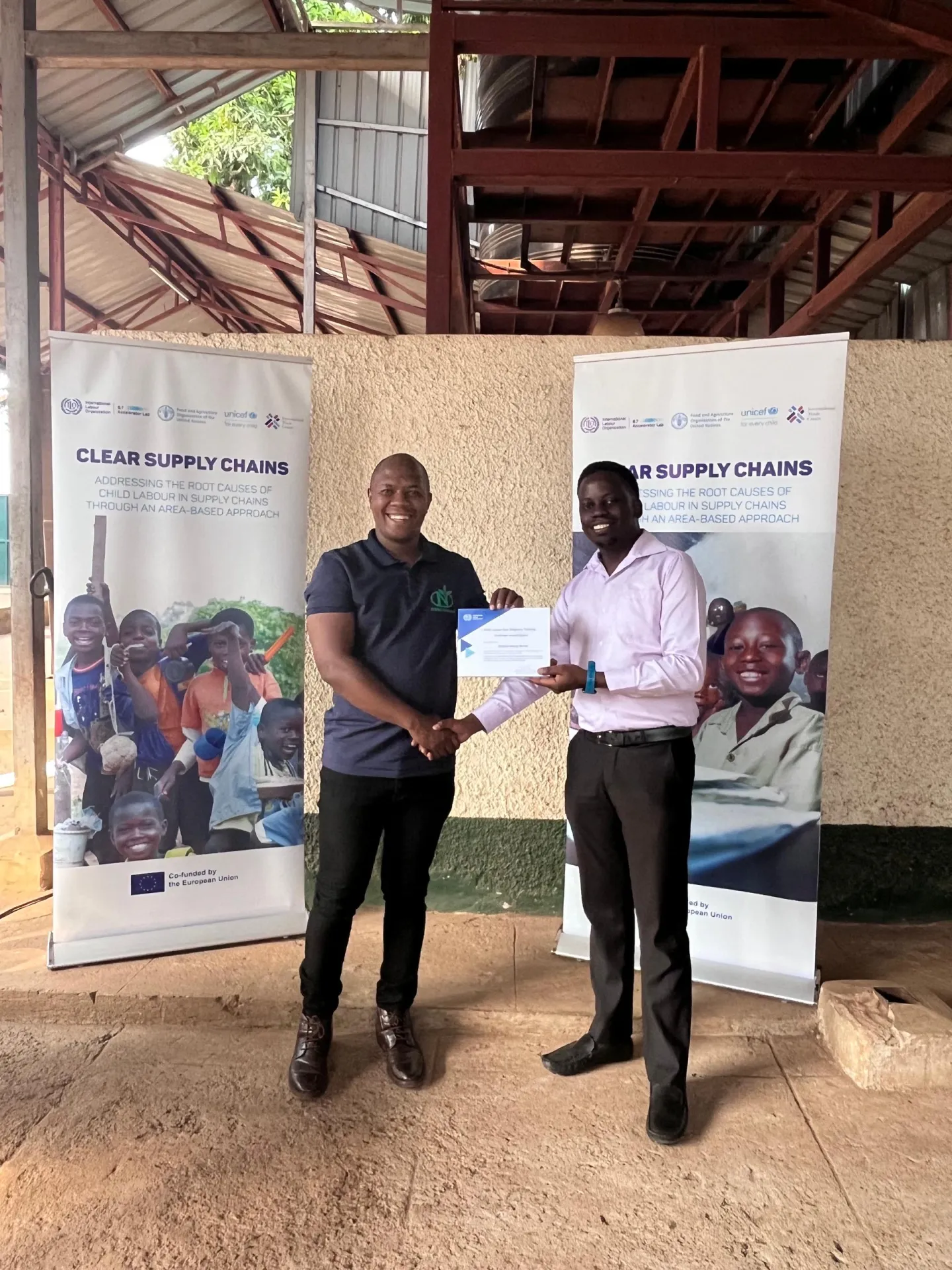
Supporting coffee companies in improving their knowledge and capacity to address the root causes of child labour in their operations is part of the broader programme of the CLEAR Supply Chains project aimed at converging efforts into joint action among all stakeholders to prevent child labour in an holistic and integrated manner and to build a sustainable coffee value chain that fulfils the needs and aspirations of all coffee farmers, workers, businesses and consumers.
The training was very useful. KCL had good representation during the training. The ILO gave expert viewpoints on issues of child labour, which was a success since our staff got to learn more. There is increased awareness on what child labour is. KCL is planning a training on business conduct and child labour due diligence.
Samuel Mafabi, Manager Child Protection and Human Rights of Kyagalanyi Coffee Limited (KCL - Volcafe Group).
[1] Ibero, Kyagalanyi Coffee Limited, UGACOF, Touton, Ofi, JDE Peet’s, Louis Dreyfus Company and Ndugu.
Related content

Child labour
CLEAR Supply Chains: Ending child labour in supply chains