

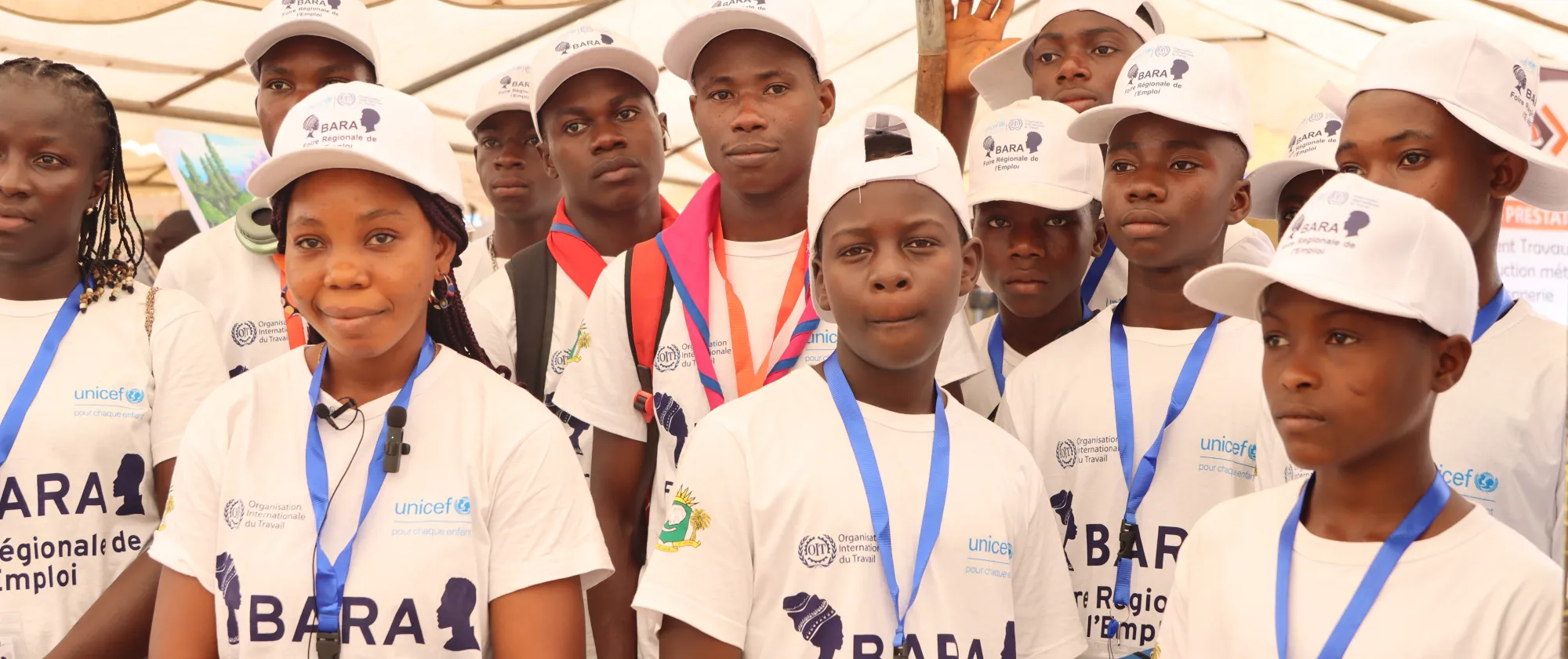
The Soubré Regional employment fair: An opportunity for decent work and the eradication of child labour in Côte d’Ivoire
As part of efforts to promote decent employment for young people and combat child labour, the International Labour Organization (ILO) and the United Nations Children's Fund (UNICEF) organized "BARA", the Regional Job Fair, from October 31 to November 2, 2024 at the Maison des jeunes de Soubré, in the Nawa region.
31 October 2024
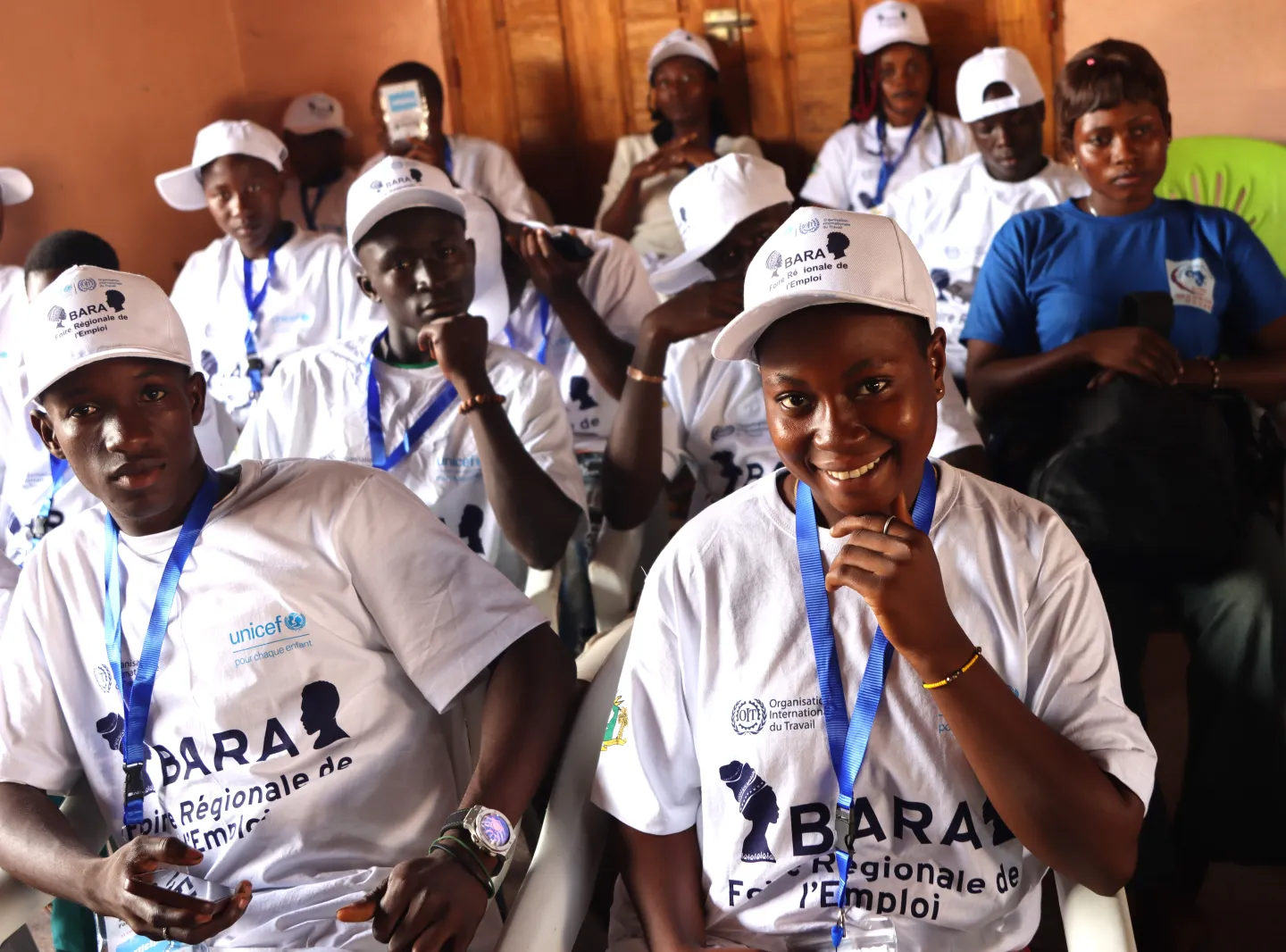
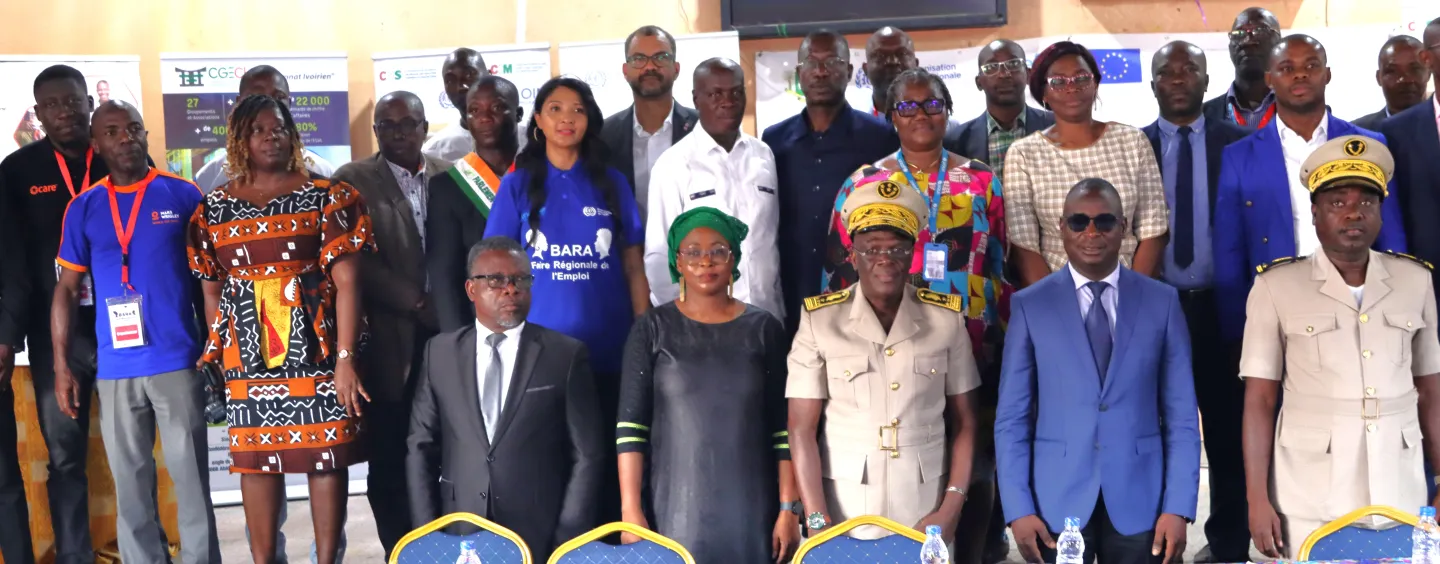
SOUBRÉ (ILO News) – The flagship event, held under the theme “Economic Empowerment of Youth for the Eradication of Child Labour”, brought together key stakeholders from the world of work, local and national authorities, businesses, and civil society.
The ILO and UNICEF collaborated with the European Union and Switzerland to tackle the root causes of child labour in the Nawa region of Côte d'Ivoire through the Together for Action Against the Root Causes of Child Labour (ENACTE) programme in the southwest of the country. The Nawa region, known for its significant cocoa production, has faced persistent challenges related to child labour, despite notable progress in recent years.
The “BARA” event continued the work of the ENACTE programme and the ACCEL Africa project (Accelerating Action to Eliminate Child Labour in Supply Chains in Africa), supported by the Netherlands Ministry of Foreign Affairs. Both initiatives addressed the root causes of child labour, including poverty and unemployment, by promoting sustainable solutions such as education, vocational training, and the creation of decent jobs.
“BARA”: A space to stimulate employment and strengthen synergies
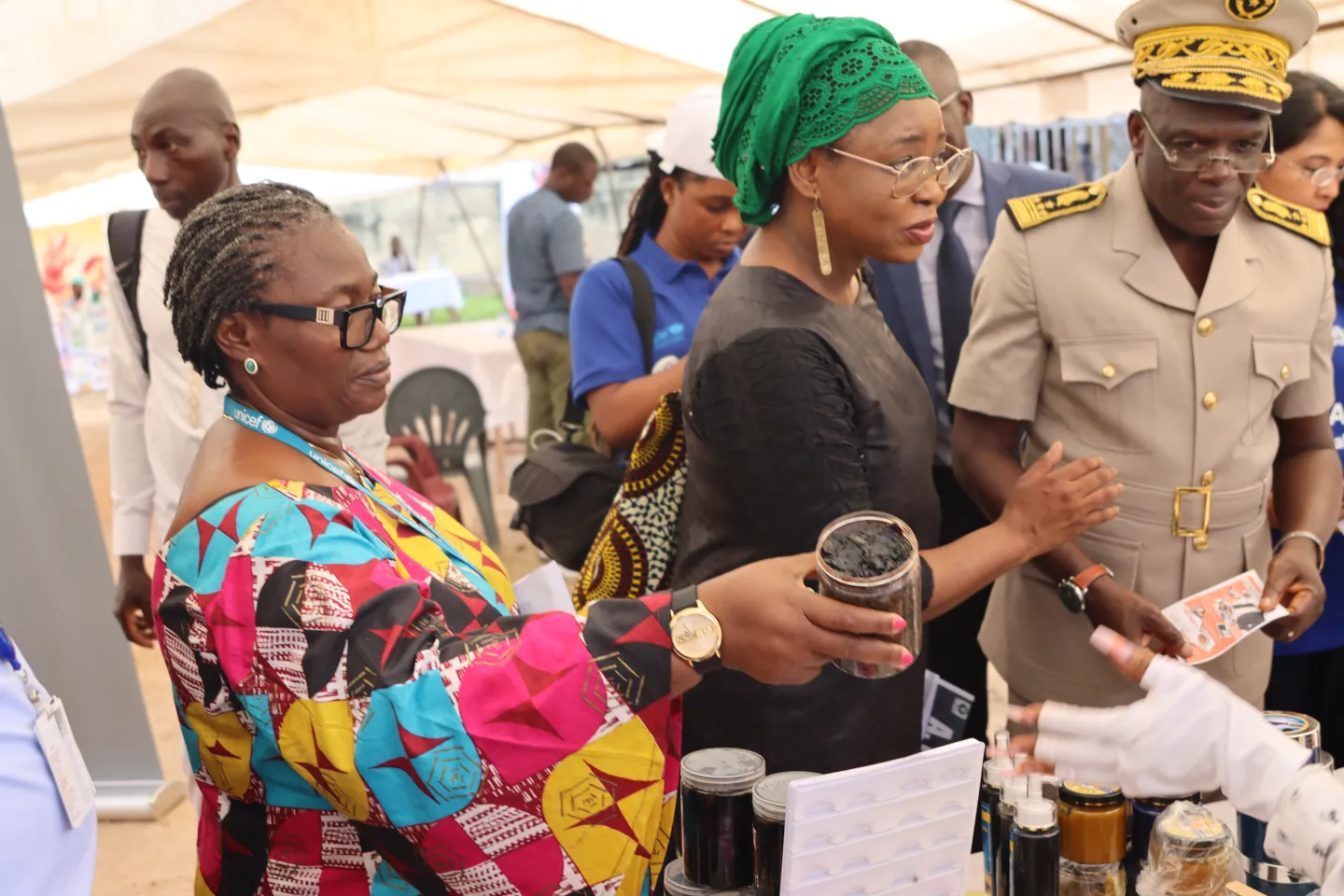
The “BARA” Fair provided a unique platform for job seekers, employers, and professional organizations to come together and exchange ideas on employment opportunities, training needs, and development prospects in the region. Participants had the opportunity to access key information about in-demand professions, training and apprenticeship opportunities, and entrepreneurship support programs.
By strengthening collaboration among various stakeholders—private companies, workers’ organizations, training institutions, development partners, and job seekers—the fair highlighted the importance of creating favorable conditions for decent work while addressing vulnerabilities that perpetuate the cycle of poverty and child labour.
Putting decent employment at the heart of sustainable development
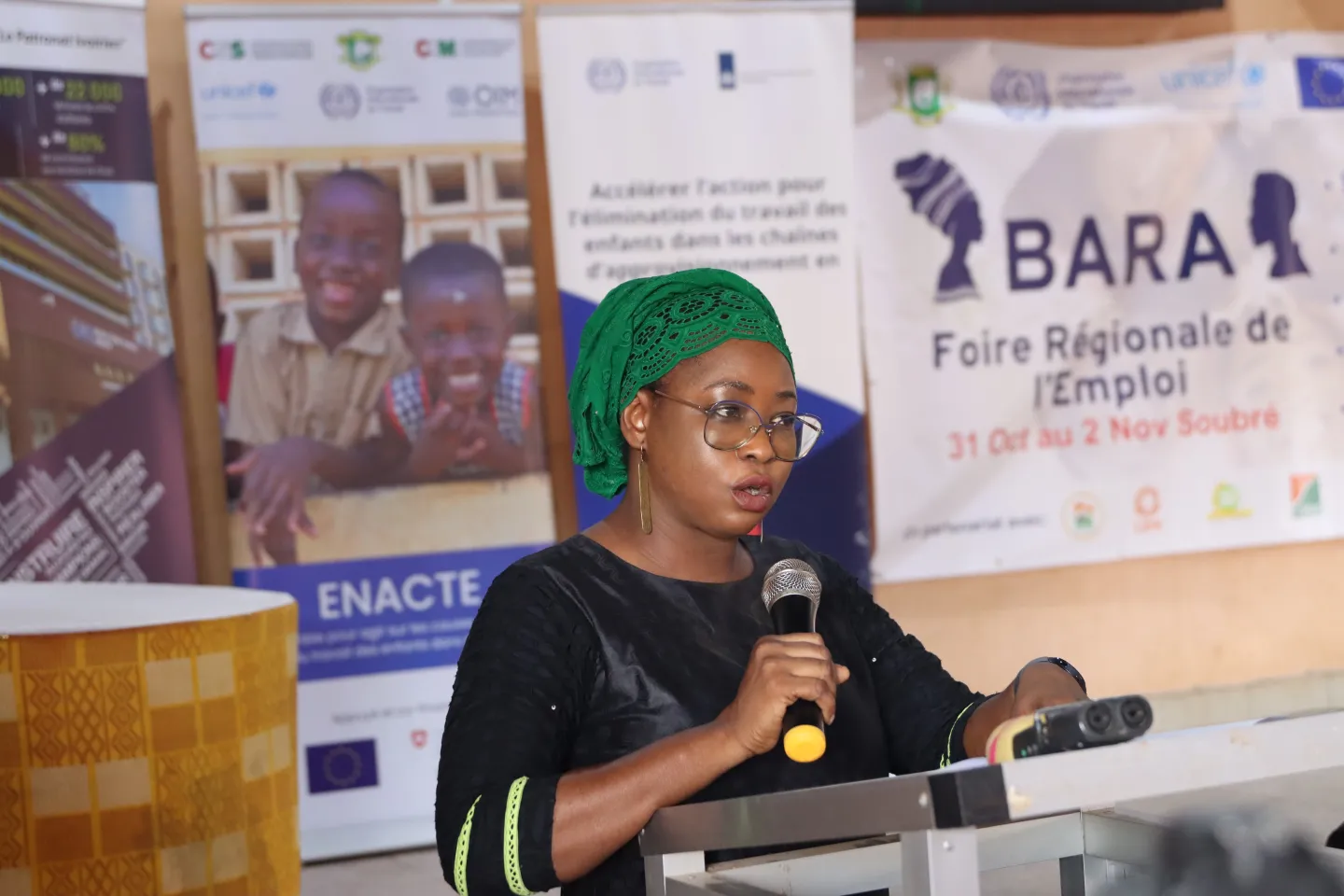
For the ILO, decent work lies at the heart of its global mandate to promote social justice. Through this Fair, the organization aimed to encourage a transition toward an inclusive, equitable labour market that respects fundamental rights.
“Empowering young people, particularly women, in regions like Nawa is crucial for eradicating child labour. Providing decent jobs to those seeking better incomes can transform lives, accelerate local development, and contribute to the elimination of child labour,” emphasized Ndeye Coumba Diop, Country Office Director.
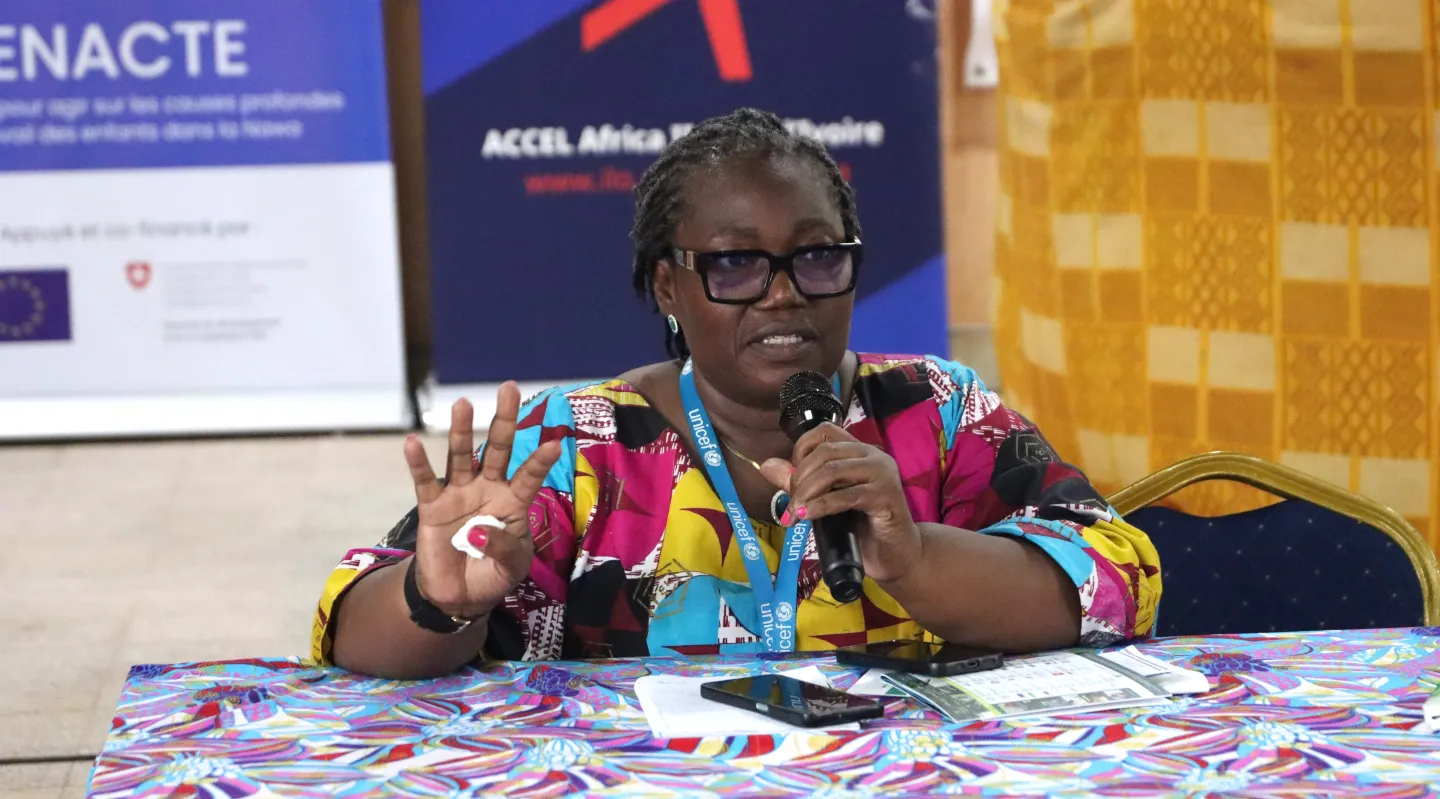
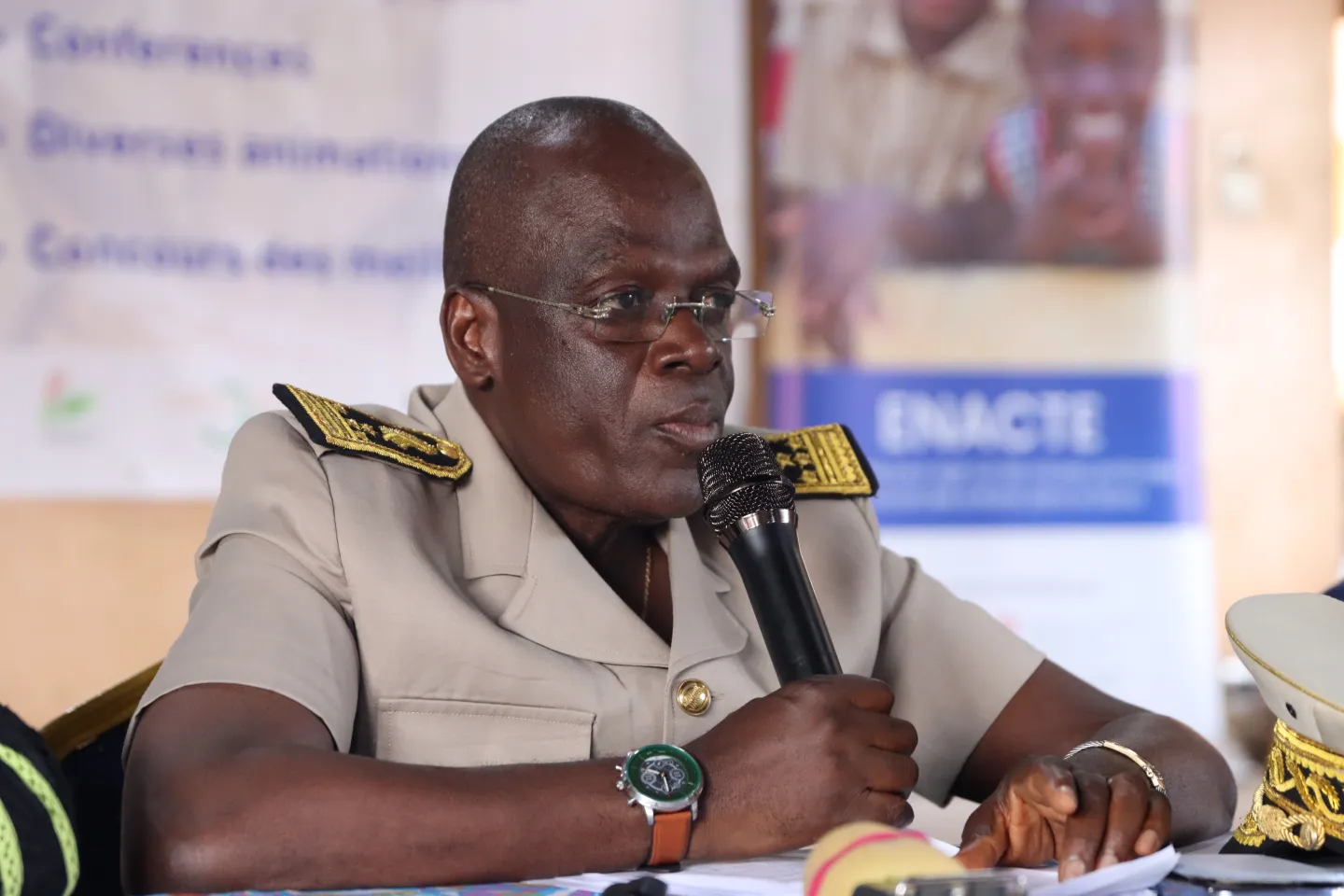
Alice Zady, Head of Office of UNICEF-Man, on behalf of Jean François Basse, maintains that: "UNICEF is deeply committed to protecting children and creating opportunities that contribute to the well-being of families and communities, particularly in rural areas. By participating in the "BARA" Fair, we reaffirm our determination to promote sustainable solutions that protect children from early labor and create a better future for them and their families. By supporting the economic empowerment of young people and women, we aim to break the cycle of poverty and build resilient communities, where every child can grow, learn and develop in a safe and stimulating environment." The regional prefect of Nawa is optimistic about the impact of this Fair for young people. "I have no doubt that we are dealing here with young leaders who know how to use these three days of training to give a decisive direction to their future," emphasizes Kouamé Bi Kalou.
In perspective
At the conclusion of the Fair, several key outcomes were anticipated, including the creation of new employment and training opportunities for young people and the broader population, increased visibility for regional businesses, and greater mobilization in the fight against child labour. The establishment of TREE Committees (Training for Rural Economic Empowerment), with the goal of forming a Regional Employment Committee, also represented a significant milestone in the coordinated effort to eradicate child labour.
- Original note in French.
Relevant projects
Feasibility study and design of an impact bond to reduce child labour in Côte d’Ivoire