

Europe and Central Asia Regional Forum
Social dialogue, partnerships, institutional strengthening, and advanced digital tools highlighted as critical drivers of formalization
Forum served as a policy debate platform for exchanging knowledge, lessons learned, experiences and practices of ILO constituents addressing the challenge of transition to formality in the region.
19 December 2024
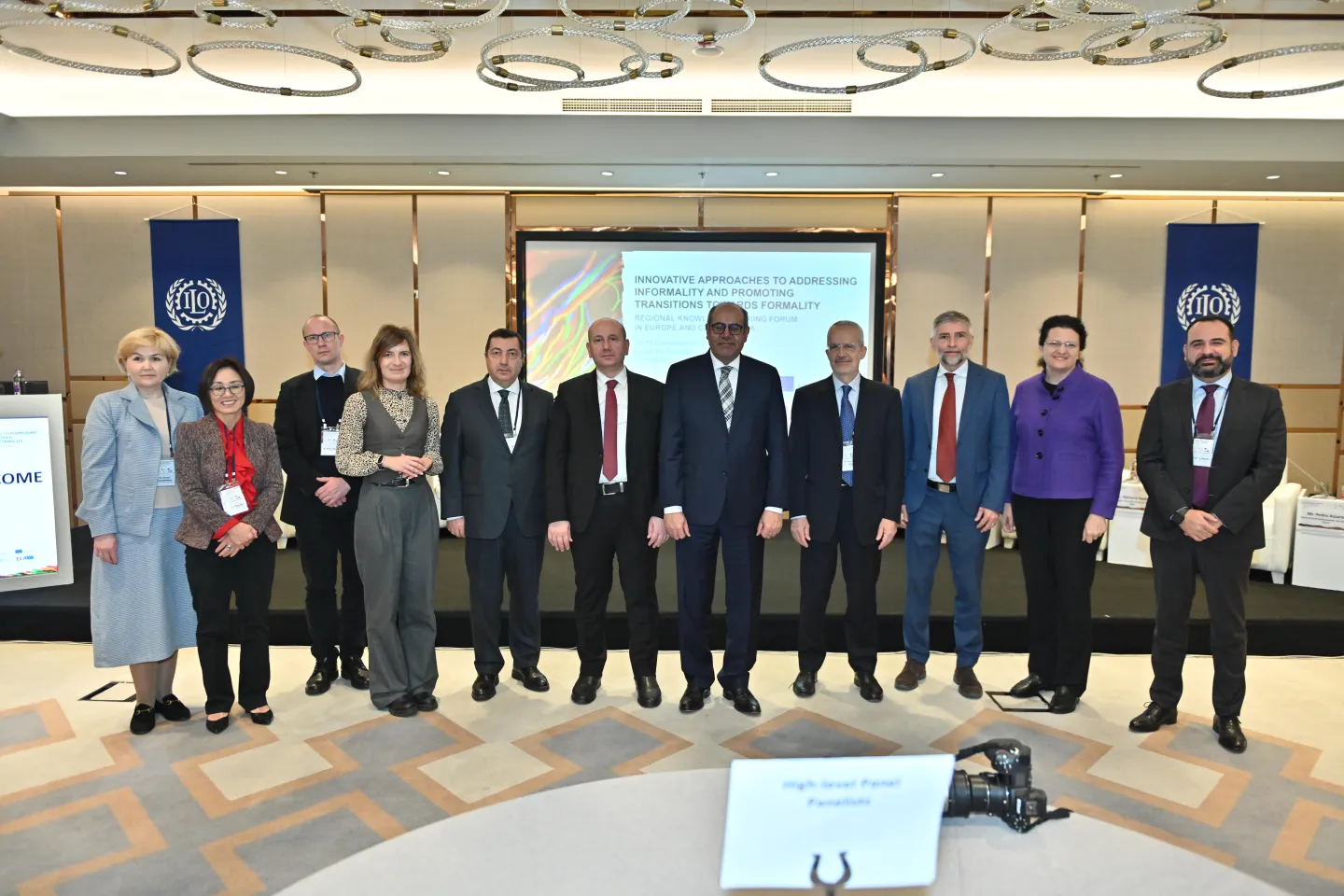
İSTANBUL (ILO News) – The ILO Tripartite Regional Knowledge Sharing Forum for Europe and Central Asia region convened in İstanbul, Türkiye bringing together representatives from Albania, Armenia, Belgium, Moldova, Greece, Georgia, Kazakhstan, Uzbekistan, Spain, and Türkiye along with strategic partners, including the UNDC Regional Office in İstanbul, the UNDP Hub in İstanbul, the OECD Istanbul Regional Centre, and the European Labour Authority.
Titled ‘Innovative Approaches to Addressing Informality and Promoting Transitions Towards Formality’, the 1.5-day Forum served as a policy debate platform for exchanging knowledge, lessons learned, experiences and practices of ILO constituents addressing the challenge of transition to formality in the region.
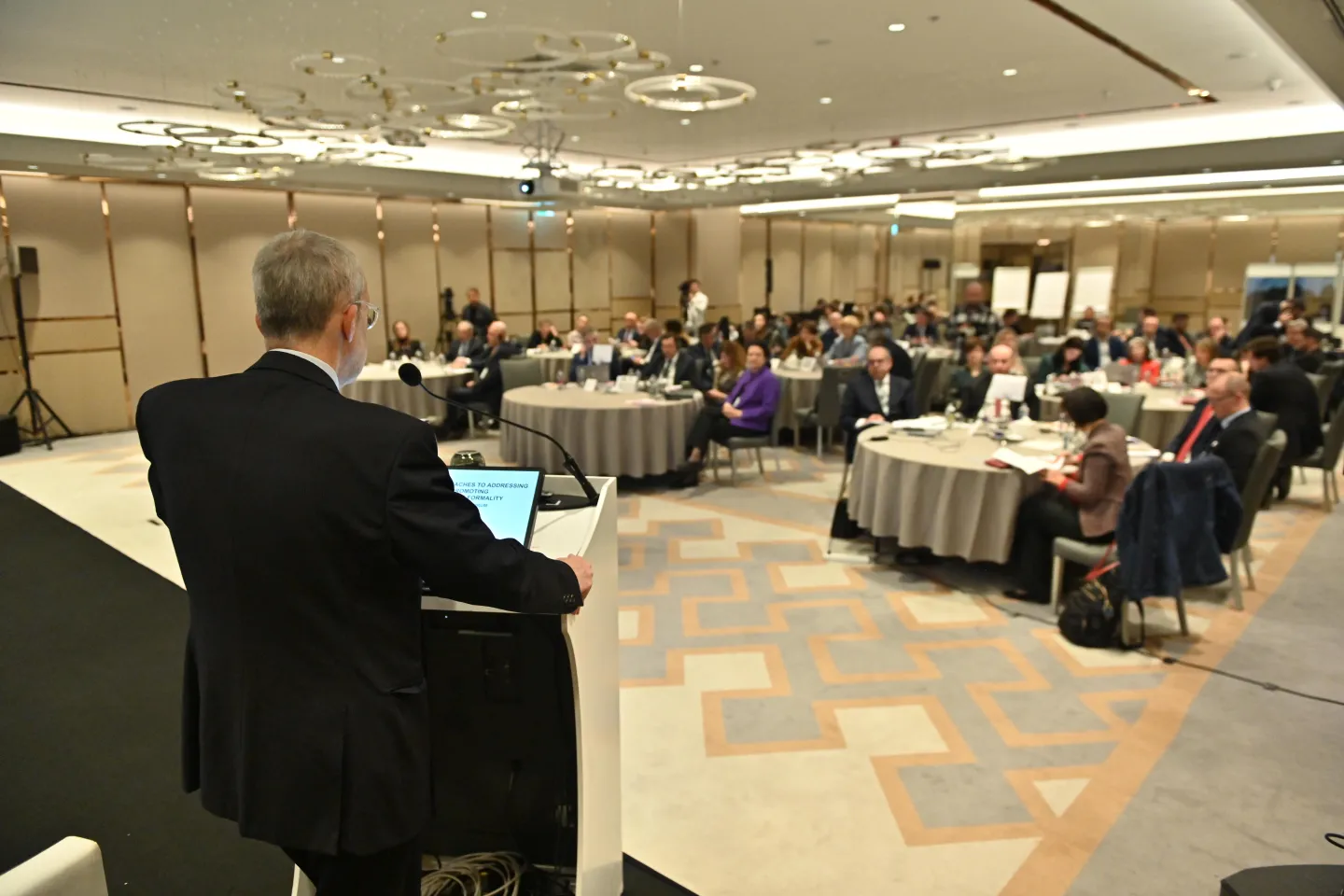
A strong theme emerged throughout the Forum was the call for innovative, collaborative, and data-driven strategies, leveraging tailored sector-specific approaches, dynamic partnerships, and advanced digital tools to tackle informality and drive impactful formalization. The discussions highlighted the widespread prevalence of informality as a key obstacle to achieving decent work and sustainable development.

Yasser Hassan, Director of the ILO Office for Türkiye welcomed the participants and draw attention to the significance of the Forum, and the value of its deliberations by the tripartite constituents in the context of General Discussion, which will take place at the upcoming International Labour Conference. He highlighted that the experiences of countries successfully combating informality demonstrate that the transition to a formal economy is most effectively achieved through an integrated strategy that prioritizes policy coherence, institutional coordination, and robust social dialogue.
Keynote speakers at the opening session highlighted the scale of the challenge of the informal economy, and the urgent need to address it through improve policy and regulatory frameworks, and to enhance productivity via digital technologies, and skills development.
Pierre Vincensini, Senior Adviser to the International Organization of Employers, stressed the need to improve the business environment by simplifying regulatory frameworks and offering tax incentives. He highlighted the importance of digital technology, increased access to financing, and vocational training to meet labour market demands.
Mr. Anton Leppik, Executive Secretary of International Trade Union Confederation discussed the diverse nature of the informal economy and its roots in economic and social challenges. He reinforced the need for protecting labour rights, promoting safe working conditions, and fostering social dialogue and partnerships to address informality.
Emmanuel Julien, ILO Deputy Regional Director for Europe and Central Asia highlighted the importance of evidence-based approaches and holistic strategies to address informality. He noted the role of social justice, social dialogue, and fiscal space in improving working conditions, underscoring the need to build the capacities of constituents to tackle informality.
Ms. Gwi Yeop Son, Regional Director of the UN Development Corporation Office for Europe and Central Asia points out the potential of digital technologies to enhance productivity and bridge the digital divide. She also stressed the importance of tailored interventions for sectors disproportionately affected by informality and the need for effective social dialogue and partnerships to achieve sustainable change.
Mr. Lütfihak Alpkan, Deputy Minister of Labour and Social Security of Türkiye, shared Türkiye’s experience in reducing informal employment through monitoring activities, financial incentives, and awareness-raising initiatives. He highlighted the importance of information sharing among public and private financial institutions and discussed the role of formal employment in ensuring social protection and fair wages.
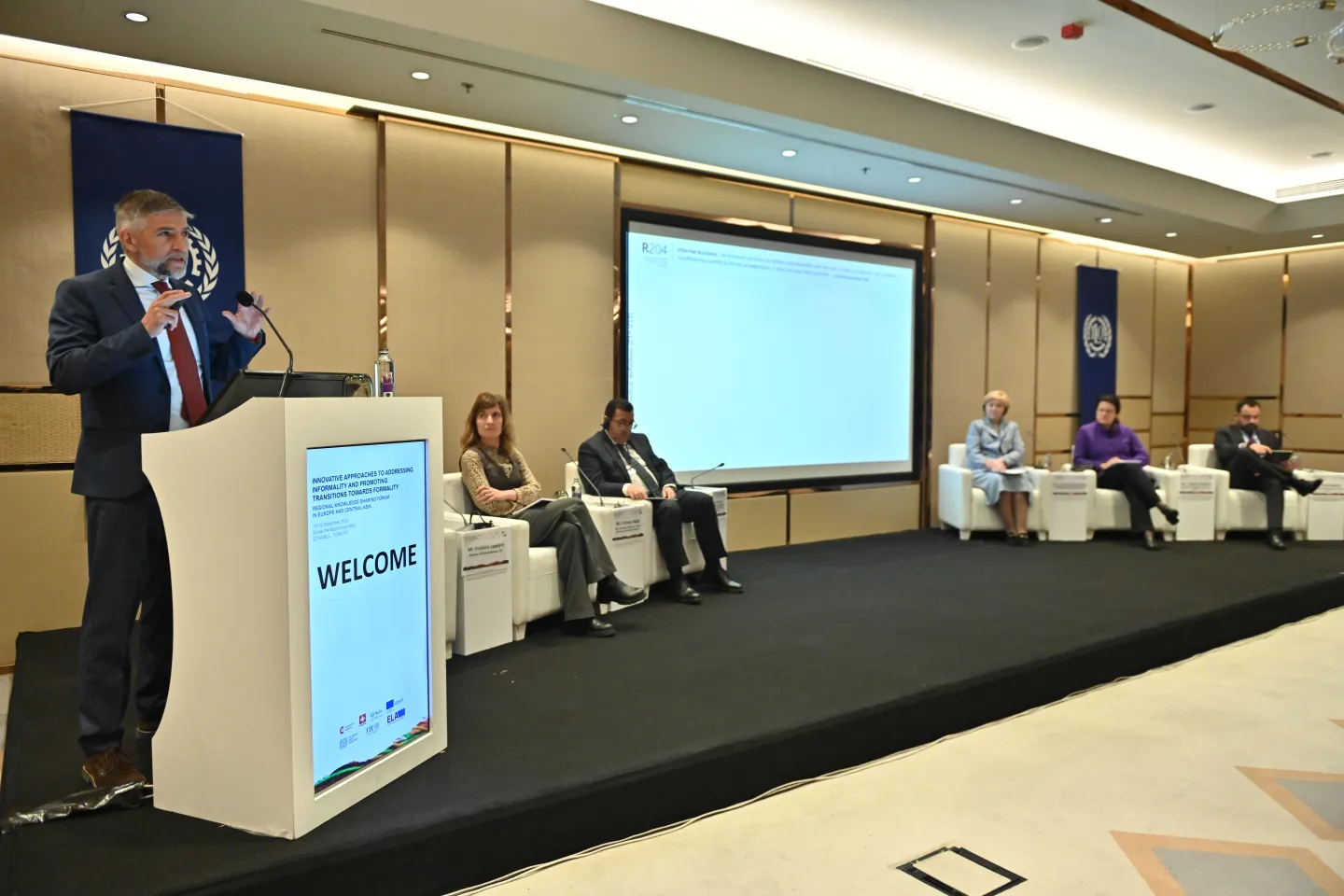
The High- Level Session, moderated by Director of the ILO Priority Action Programme on Transition to Formality, Frederic Lapeyre, stressed the importance of transitioning from informal to formal economies, guided by ILO Recommendation No. 204, focusing on integrated strategies, for facilitating transition to formality, creating productive employment and the preventing informalization. Speakers highlighted the need for strong institutions, comprehensive social protections, and clear communication to overcome legal, economic, and social barriers to formalization, with examples from Moldova, Kazakhstan, and Türkiye showcasing progress through reforms, tailored measures, and collaboration. Discussions also underscored addressing emerging challenges such as non-standard work, seasonal labour, and digital transitions, with a focus on inclusive social dialogue and evidence-based approaches.
On the other hand, Mr. Raci Kaya, Head of the Social Security Institute (SSI) of Türkiye presented Türkiye’s five-strategy approach to formalization, which includes data-driven audits, enhanced inspection systems focused on guidance, financial incentives, awareness campaigns, and improved social security services. He noted the importance of expanding e-SSI services and reducing bureaucracy to increase compliance and formalize enterprises and workers effectively.
Informal employment impacts workers’ rights, social protection, working conditions, and productivity, while hindering sustainable enterprise development and government capacity. Accelerating the transition to formality, in line with ILO Recommendation No. 204, is crucial for addressing decent work deficits, poverty, inequality, and promoting social justice. The Forum series provides a platform for sharing good practices and evidence-based knowledge, while fostering partnerships with the ILO and multilateral agencies to tackle informality and promote sustainable economic growth.