

Senegal Charts a New Path for Employment with the Development of Its National Policy
Senegal has launched a strategic workshop to co-develop its new National Employment Policy. Supported by the International Labour Organization (ILO) and the Italian Agency for Development Cooperation (AICS), this event marks the beginning of an ambitious reform focused on inclusion, dialogue, and decent work.
19 May 2025
DAKAR, Senegal (ILO News) – The Government of Senegal has officially launched the process of developing its new National Employment Policy (NEP) during a strategic capacity-building and planning workshop held from May 15 to 17, 2025, at the RIU Baobab Hotel in Mbour. This initiative reflects a strong political will to place employment at the heart of national development, in a context of economic, social, and demographic transformation.
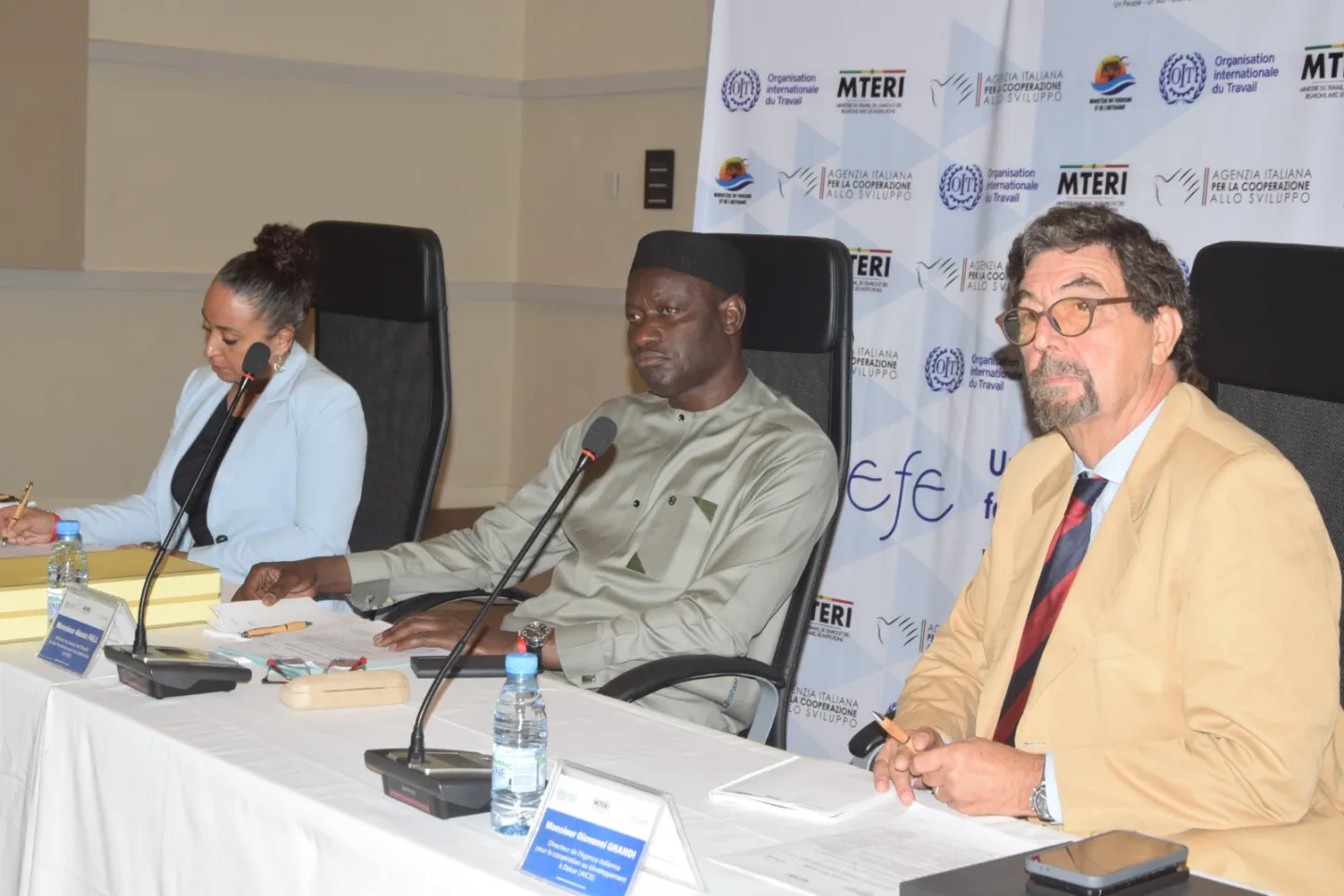
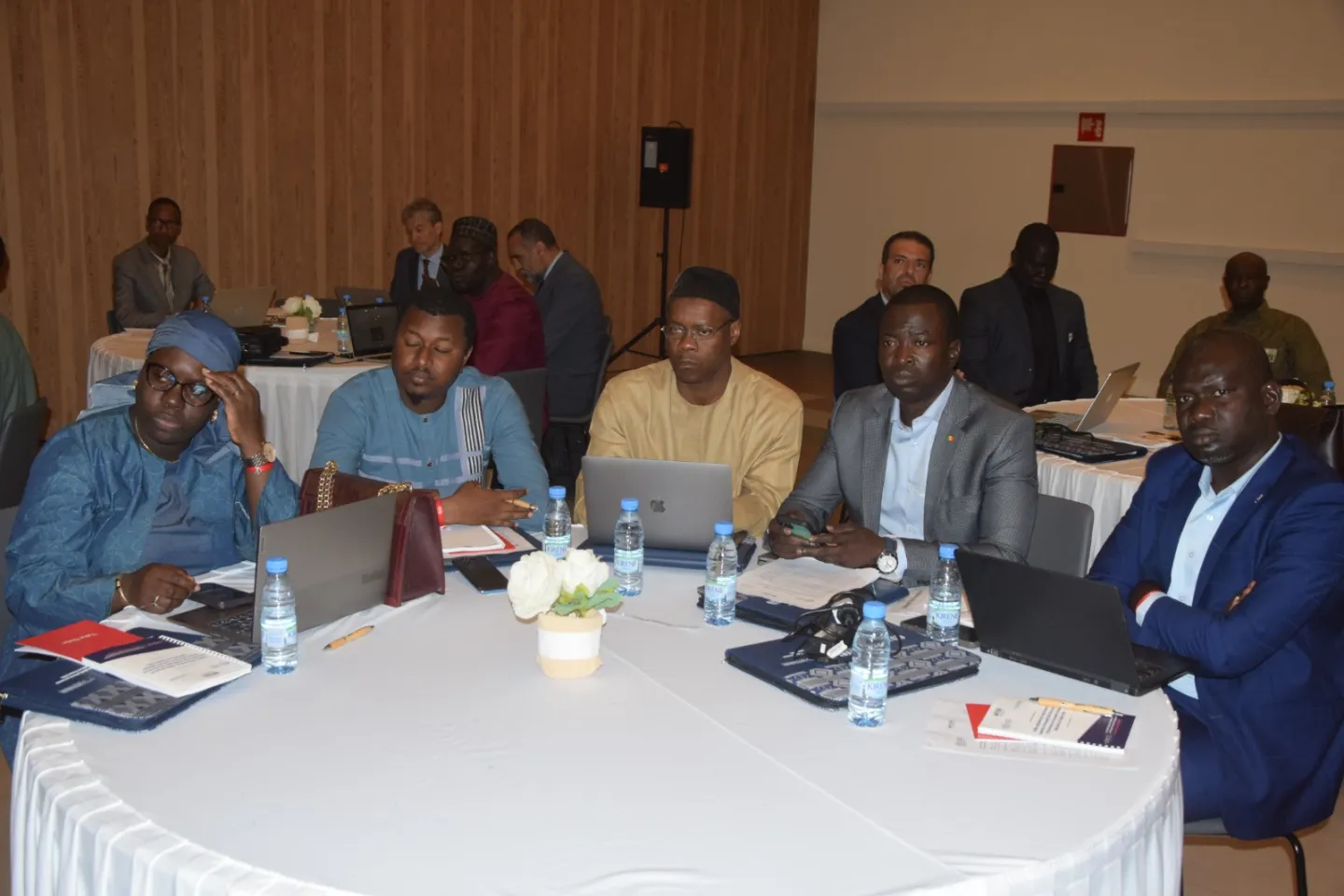
The workshop, supported by the ILO through the Youth Integration and Business Formalization Support Project (ADIJEFE), funded by AICS, brought together over 60 participants from sectoral ministries, social partners, and technical and financial partners. The main objective was to strengthen the capacity of the NEP Steering Committee and to co-develop an operational roadmap to guide the entire process.
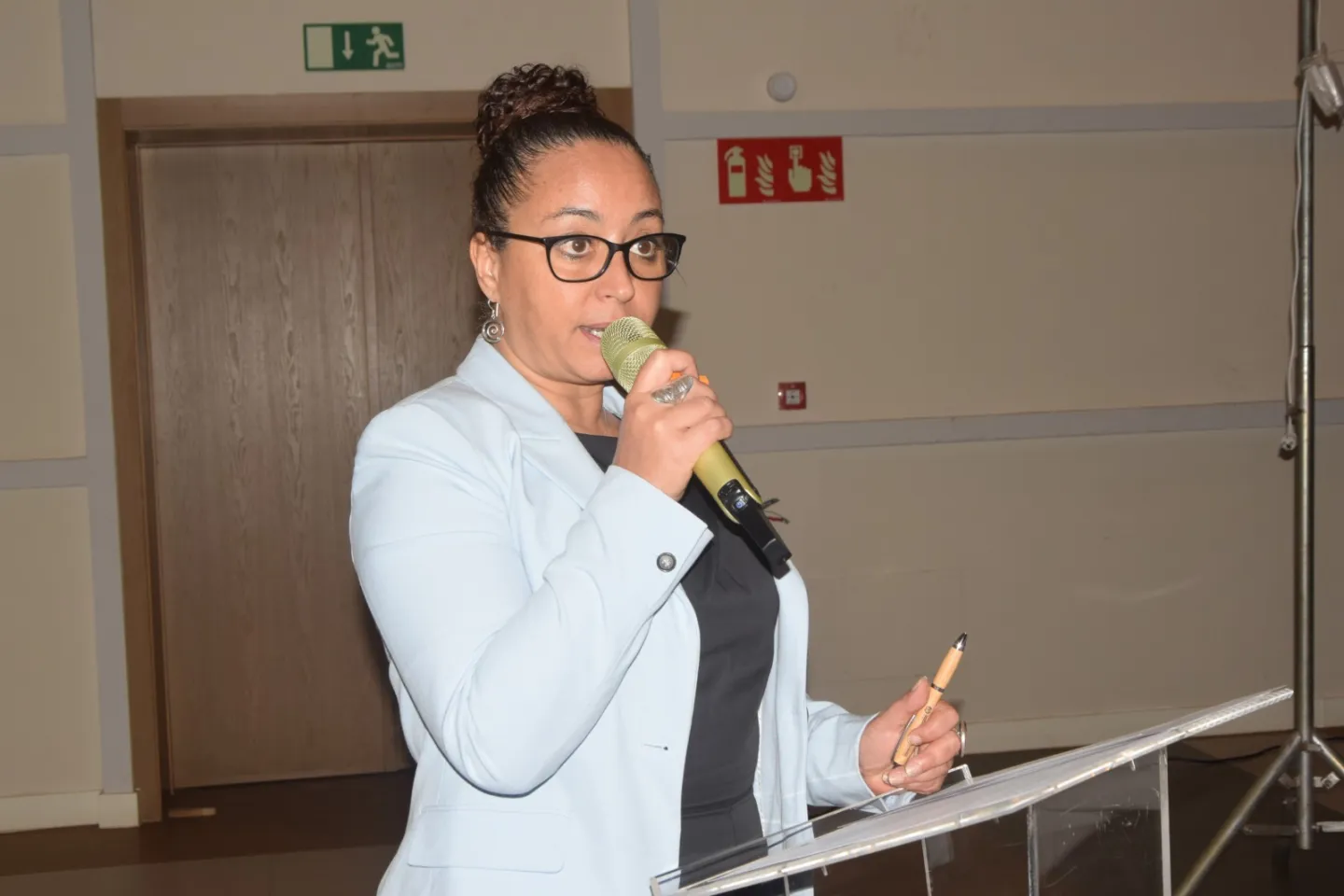
In her opening speech, Ms. Samira Daoud praised “a unique opportunity to rethink the structural levers for creating decent jobs, better align labor supply and demand, and ensure the active inclusion of youth, women, and informal economy workers.” She also emphasized that “employment governance is based on a tripartite approach, a principle that must guide all stages of the policy’s formulation and validation.”
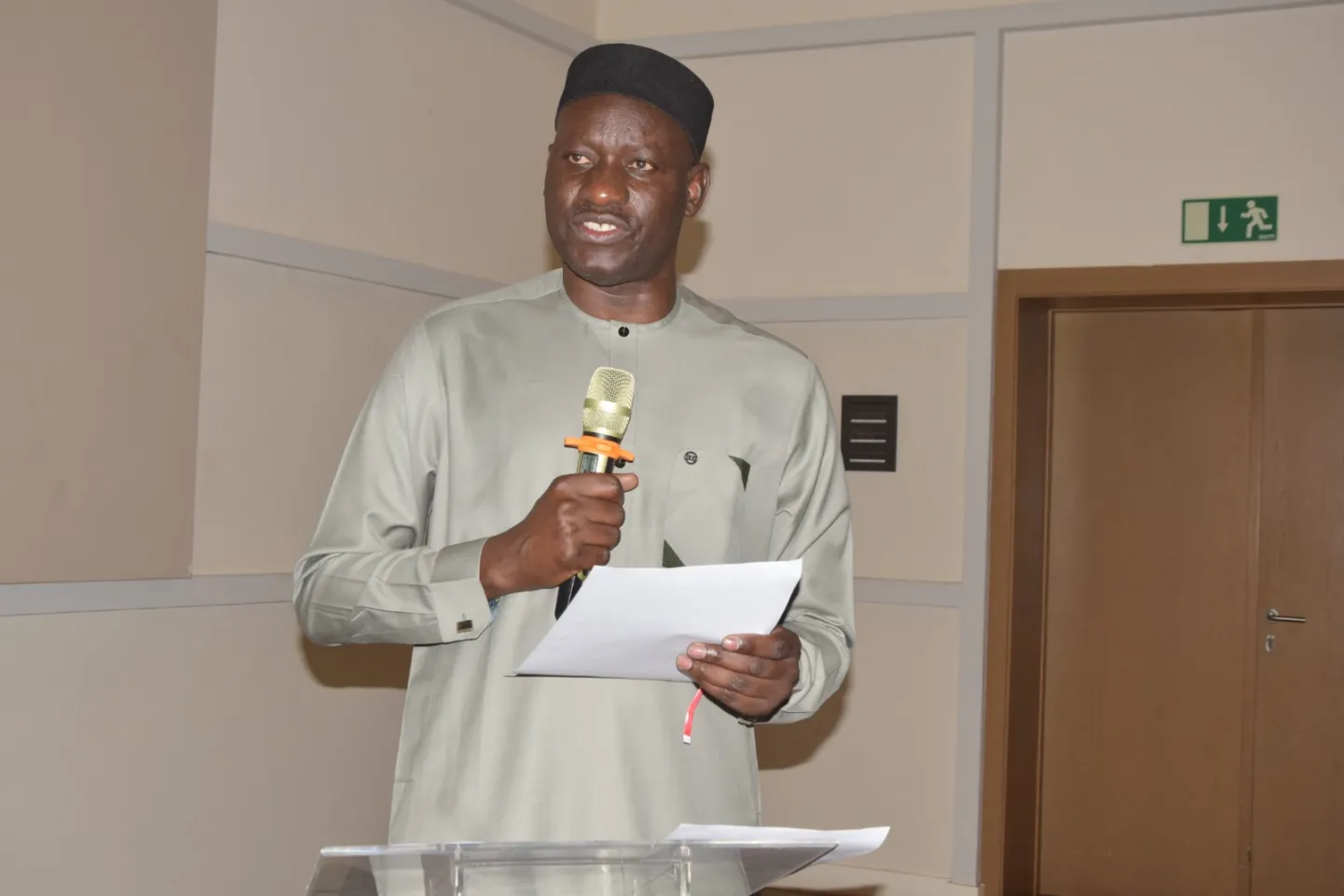
Mr. Abass FALL, Minister of Labour, Employment and Relations with Institutions (MTERI), also highlighted the critical importance of this reform:
“The national employment policy we aim to build together will not be a patchwork of scattered measures, but a coherent, realistic, and operational strategy based on rigorous diagnostics and broad consensus.”
The Minister also stressed the need to strengthen convergence between sectoral policies, stating:
“Employment development cannot be the sole responsibility of the Ministry of Labour. It involves education, vocational training, industry, agriculture, the digital economy… It requires the mobilization of the entire government, the private sector, social partners, and civil society.”
Over the three days, Steering Committee members were equipped with knowledge on labor market challenges, the steps for formulating a public employment policy, and international best practices. The workshop concluded with the validation of a comprehensive roadmap covering six major stages:
- Institutional framework,
- Participatory diagnostics,
- National and regional consultations,
- Drafting of version 0,
- Validation workshops,
- Political approval of the policy.
The next key steps will take place between June and November 2025, coordinated by the Steering Committee and supervised by MTERI.
The ILO will support the upcoming stages of the process through:
- Capacity building for involved stakeholders;
- Methodological support for dialogue and planning;
- Mobilization of international technical expertise;
- Facilitation of inclusive social dialogue.
In a statement reflecting the spirit of collaboration driving this reform, Ms. Daoud concluded:
“The workshop that brings us together today is not just a technical starting point. It symbolizes a political, institutional, and collective commitment.”
For his part, the Minister expressed confidence in the success of the process:
“What we are building here is a new pact around employment, a shared ambition to make work a lever for dignity, prosperity, and national cohesion.”
This workshop marks the beginning of a large-scale collective effort. It illustrates Senegal’s commitment, with the support of the ILO and AICS, to promoting decent work through inclusive, evidence-based policies driven by social dialogue.