

Tripartism
Samoa advances tripartite cooperation on decent work, equality and international labour standards
Samoa’s tripartite constituents strengthened cooperation to translate international labour standards into practical workplace protections, with a focus on violence and harassment, occupational safety and health, non-discrimination and inclusion.
14 August 2026
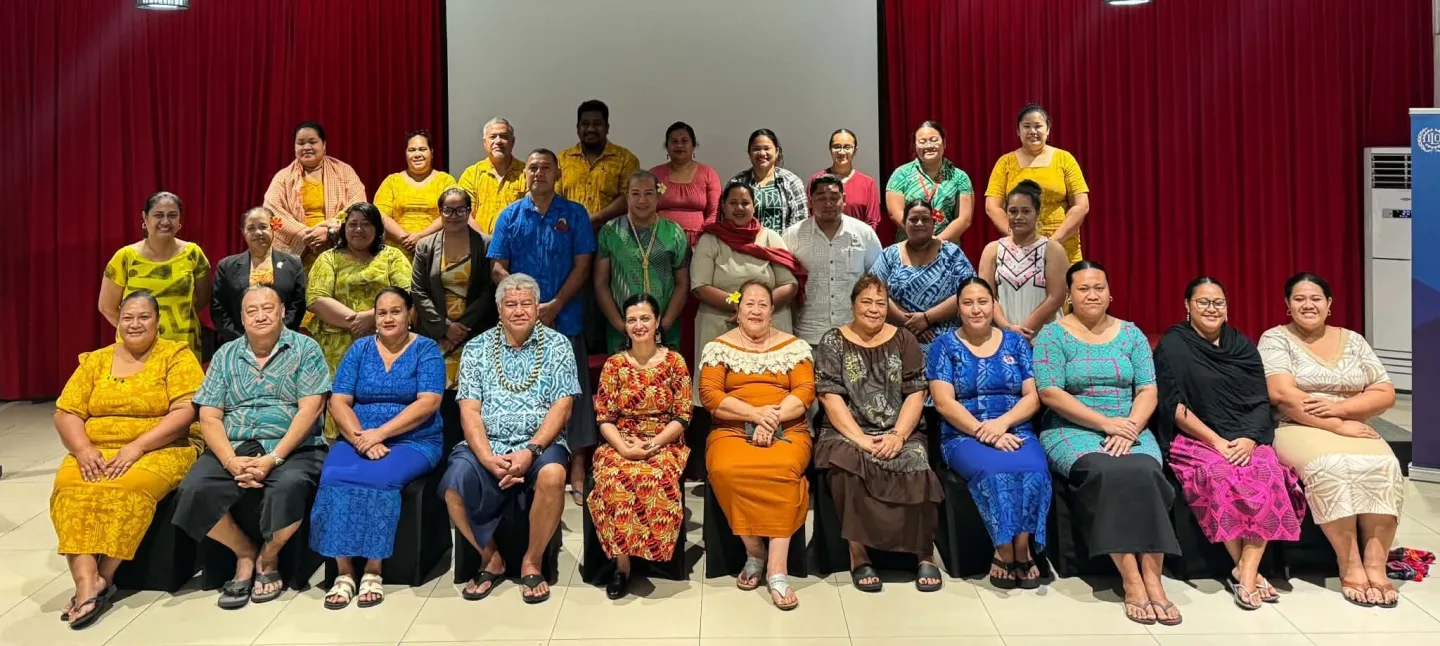
APIA (ILO News) – Samoa’s tripartite constituents met from 11 to 14 August 2026 in Apia to strengthen national understanding and implementation of international labour standards and promote a more inclusive world of work.
The four-day workshop, “Advancing Decent Work, Non-Discrimination and Implementing ILO Conventions through Tripartite Engagement in Samoa,” brought together representatives of Government and employers’ and workers’ organizations, including members and partners of the Samoa National Tripartite Forum (SNTF).
Discussions focused on translating Samoa’s commitments under ratified International Labour Organization (ILO) Conventions into practical measures, particularly the Violence and Harassment Convention, 2019 (No. 190), and the Promotional Framework for Occupational Safety and Health Convention, 2006 (No. 187).
“Samoa takes immense pride in its work with the ILO, and ratification of core International Labour Standards conventions such as Convention No. 190 – Violence and Harassment in the World of Work and Convention No. 187 – Promotional Framework for Occupational Health and Safety is a testament to our commitment. However, international conventions only carry weight when they are successfully translated into everyday workplace realities for our people. From Savaii to Upolu, our citizens must feel the tangible protection and benefits of these global standards in the world of work,” Fepuleai Roger Toleafoa, Chief Executive Officer of the Ministry of Commerce, Industry and Labour (MCIL), said.
Participants also examined discrimination and barriers to equal participation in the world of work, including challenges affecting women and persons with disabilities. “Inclusion is achieved when persons with disabilities are not only present but are able to participate, contribute, progress and lead on an equal basis with others. Persons with disabilities are usually discriminated against when it comes to recruitment because employers make assumptions about the disability instead of assessing the person’s ability to perform the essential functions of the job,” Mataafa Faatino Utumapu, General Manager of Nuanua ole Alofa, said.
“We must actively work to dismantle barriers that limit potential based on gender, age, disability, or background. Building a resilient, modern economy requires us to unlock the potential of all citizens, ensuring that women, youth, and vulnerable groups such as Persons with Disabilities, members of Samoa’s fa'atama and fa'afafine communities have equal access to safe, fulfilling, and rewarding employment opportunities,” Fepuleai Roger Toleafoa said.
The workshop also highlighted the importance of extending labour protections to workers in the informal economy. “The contribution to our economies by the informal sector such as men and women working in the care economy, local farmers and fishers and others must be recognised and afforded equal protection by the international labour standards. So, this workshop is a reminder that we must look at how our labour laws can protect the workers in the informal sector,” Seveaoga Saina Tomi Setu, President of the Samoa Workers Congress, said.
The workshop strengthened tripartite dialogue and coordination on implementing international labour standards, addressing discrimination and supporting more inclusive workplaces. The ILO continues to support its constituents in Samoa in translating international commitments into practical improvements for workers, employers and communities.