

Fair Recruitment
From policy to practice: ILO sets fair recruitment agenda for the next decade
ILO and global partners commit to advancing fair recruitment through action rooted in international labour standards, social dialogue and increased policy coherence.
5 June 2025
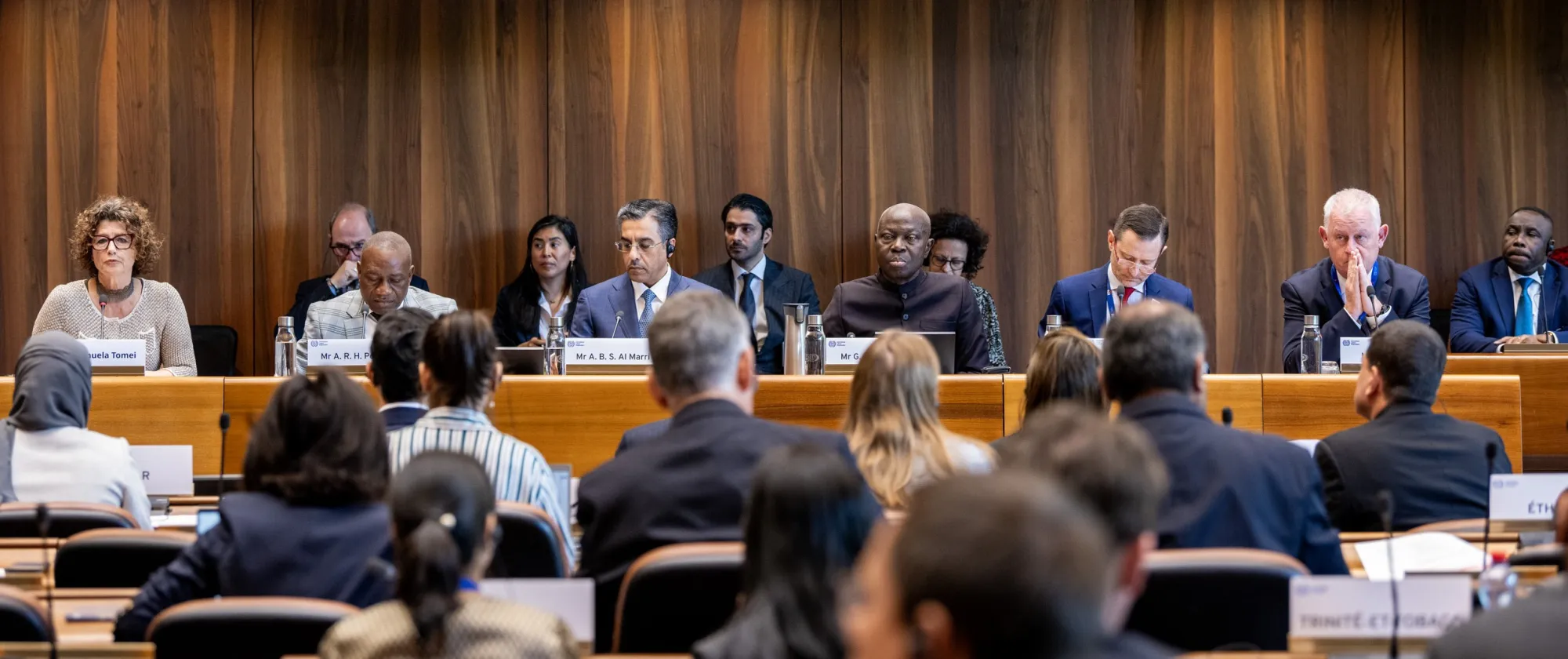
Geneva, (ILO News) – The International Labour Organization (ILO) has reaffirmed its commitment to advancing fair recruitment practices globally, following the successful conclusion of the Global Conference “Fair Recruitment Initiative. The way forward: from policy to practice”. Held in Geneva on 19–20 May 2025, the high-level event marked a pivotal moment in the global movement to promote rights-based, transparent, and equitable recruitment systems.
The conference brought together prominent global leaders, including ILO Director-General Mr Gilbert Houngbo; H.E. Ali bin Saeed bin Samikh Al Marri, Minister of Labour of Qatar; H.E. Abdul Rashid Hassan Pelpuo, Minister of Labour, Jobs and Employment of Ghana; Mr Luc Triangle, General Secretary of the International Trade Union Confederation (ITUC); and Mr Roberto Suárez Santos, Secretary-General of the International Organisation of Employers (IOE).
Over 100 experts from governments, employers’ and workers’ organizations, private recruitment agencies, international partners and academia reflected on the achievements and challenges of the ILO’s Fair Recruitment Initiative over the past decade and looked ahead by presenting its 2026–2030 strategy to guide future action. Participants welcomed the new strategy and provided concrete suggestions of activities and priorities for action in the years to come.
The conference highlighted the criticality of fair recruitment to the achievement of decent work and recognized the momentum gained globally. Key takeaways include:
- Persistent implementation gaps remain despite existing regulatory frameworks on fair recruitment in over 110 countries.
- Technological innovation can significantly enhance recruitment oversight, transparency, and the protection of workers’ data rights. However, challenges related to bridging the digital divide must be addressed.
- Continued collaboration with employers is essential to increase human rights due diligence in recruitment processes and demonstrate the business case for fair recruitment
- Empowering migrant workers through improved access to information and training, collective representation, Migrant Resource Centres and cross-border union cooperation is critical.
- A shift from reactive measures to preventive systems, including legal reforms and robust enforcement mechanisms addressing underlying issues such as poverty, weak governance, lack of decent job opportunities, and limited worker protections, is necessary to address the root causes of unfair recruitment.
- Tailored responses are required to address sector-specific challenges in high-risk sectors including agriculture, fishing, construction and domestic work
- Policy coherence is crucial; fair recruitment efforts should align with broader agendas related to employment, migration, crisis and skills development.
- Sustained international cooperation and multi-stakeholder engagement are vital for advancing fair recruitment practices.
The conference concluded with a strong collective commitment to translating these policies into practical action, guided by social justice principles and international labour standards.
Advancing social justice begins with fair recruitment and decent work for all
ILO Director-General, Gilbert F. Houngbo
You can watch on the High level panel of the “Fair Recruitment Initiative: The way forward from policy to practice” global conference.
For further information, please contact: [email protected]
Related content
Conference
Fair Recruitment Initiative: The way forward, from policy to practice
Topic portal
Fair recruitment

Fair Recruitment Initiative