

Alliance 8.7
Philippines sets roadmap against forced labour, child labour and exploitation
The Philippines crafts a national roadmap to accelerate action against forced labour, child labour, human trafficking and modern slavery as it seeks to become an Alliance 8.7 Pathfinder country.
28 September 2026
MANILA (ILO News) – The Philippines steps up efforts to end forced labour, child labour, human trafficking and modern slavery through a national roadmap as part of its bid to become an Alliance 8.7 Pathfinder country.
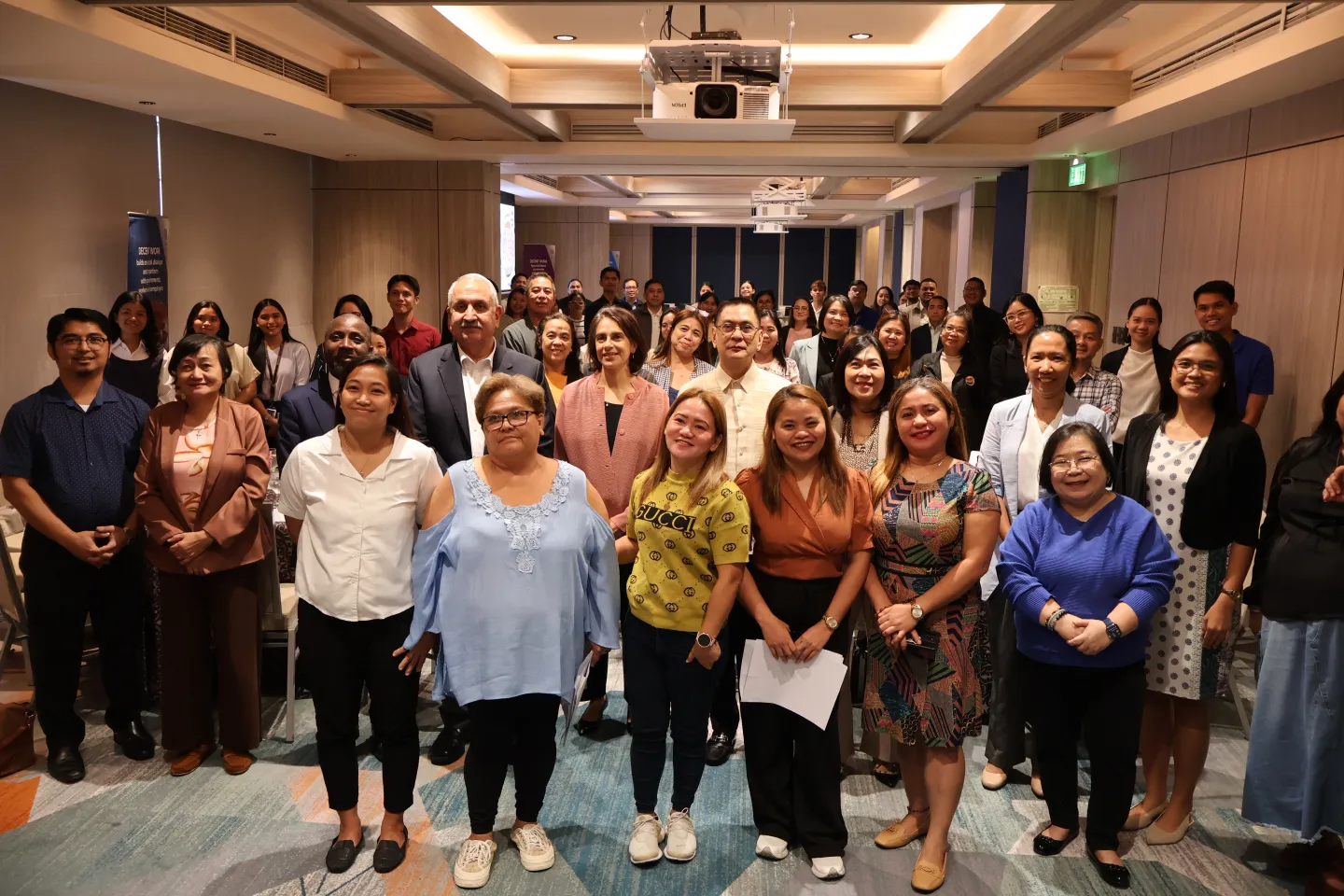
Government agencies, workers’ and employers’ organizations, civil society, survivors and survivor networks contributed to the roadmap development held on 23-24 September 2026 in Manila. They also reaffirmed their commitment as members of the National Council Against Child Labor and the Inter-Agency Council Against Trafficking.
In 2025, the Philippines, through the Department of Labor and Employment (DOLE), expressed its interest in becoming an Alliance 8.7 Pathfinder country.
“Becoming a Pathfinder country will provide the Philippines with a valuable platform. It will strengthen access to further scale up efforts against forced labour, modern slavery, human trafficking, and child labour,” said DOLE Assistant Secretary Loreto Acharon.
DOLE stressed that the roadmap is more than a planning document. It represents a shared commitment to action across government, workers, employers, civil society and other partners.
Target 8.7 of the United Nations Sustainable Development Goals calls on countries to take immediate and effective measures to eliminate forced labour, modern slavery, human trafficking and child labour. Alliance 8.7 Pathfinder countries commit to accelerating progress through coordinated national action.
For the Philippines, joining the Alliance 8.7 would also provide opportunities to share national experience and strengthen access to technical assistance, strategic resources and peer learning.
The International Labour Organization (ILO) emphasized that stronger national action is vital to achieving global goals. Through projects funded by the Government of Canada, the ILO is providing technical guidance throughout the process in partnership with Free the Slaves.
These include the Strengthening Freedom of Association and Action Against Child Labour (FOA-CL) and the Promoting Responsive Institutions and Mechanisms to Eliminate Forced Labour in the Philippines (PRIME PH) projects.
“Decent work cannot exist and we cannot break the cycle of poverty when there are children trapped in child labour. Social justice cannot be achieved when people remain vulnerable to forced labour, trafficking and exploitation,” said Khalid Hassan, Director of the ILO Country Office for the Philippines.
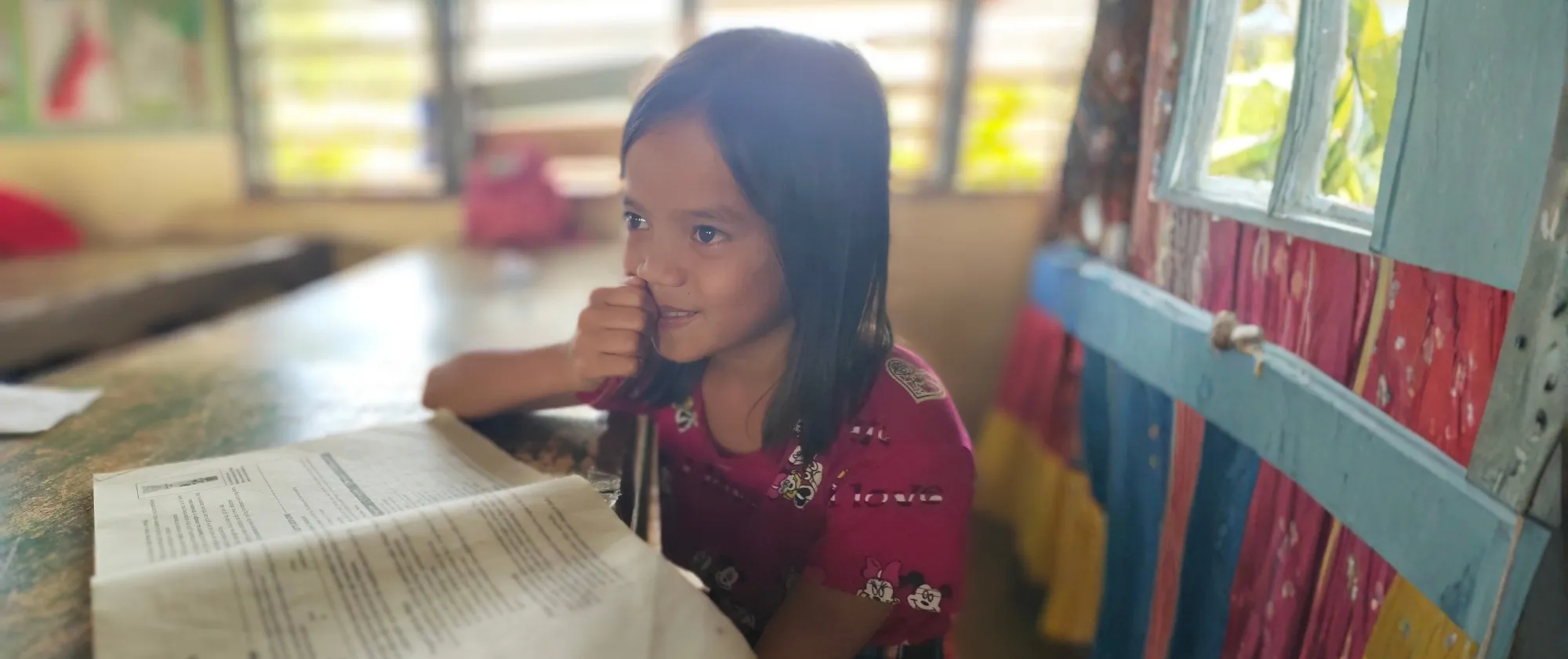
The Philippines has made progress in reducing child labour. The number of working children engaged in child labour fell from 678,000 in 2023 to 509,000 in 2025. The roadmap provides an opportunity to build on this progress and align national action with the Marrakech Global Framework for Action against Child Labour, which calls for accelerated and coordinated efforts to end child labour.
Forced labour, however, remains difficult to measure because it is often hidden. Available evidence indicates that vulnerable workers, including those in high levels of informality, continue to face risks across several sectors.
In 2024, Philippine authorities identified 890 trafficking victims, including 345 victims of labour trafficking. Victims were exploited in agriculture, domestic work, construction, fishing, manufacturing, maritime occupations and online-facilitated schemes.
Forms of exploitation included deceptive recruitment, debt bondage, withheld wages or identity documents, excessive working hours and restrictions on freedom of movement.
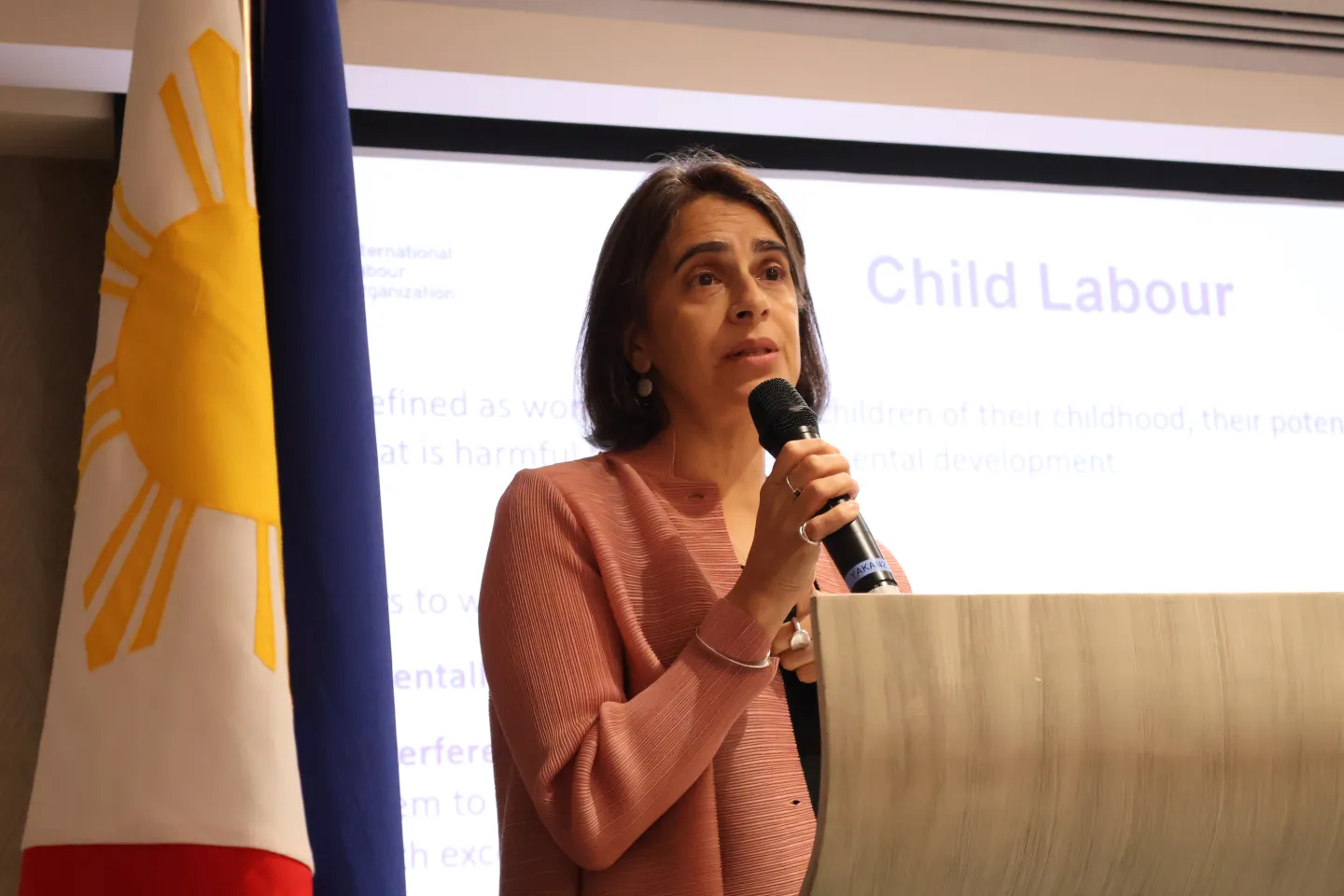
“We always stand with our partners to help eliminate and completely eradicate forced labour and child labour. This roadmap we begin shaping will not replace what we have already built, but it will sharpen, extend, and give us a plan through 2030 that brings forced labour and modern slavery into the same coordinated response. The ultimate goal remains a Philippines where work is decent, safe, and dignified for every Filipino,” said Department of Justice (DOJ) Undersecretary Nicholas Felix Ty.
The DOJ and IACAT pledged to align their efforts with the roadmap. The DOJ also pointed to emerging and complex challenges, including deceptive recruitment into foreign conflict zones and forced labour in agriculture and fishing.
Workers’ and employers’ organizations also backed the initiative. Ms Susanita Tesiorna, President of the Alliance of Workers in the Informal Economy/Sector (ALLWEIS), emphasized the urgent need to protect vulnerable workers, including those in domestic work, agriculture, maritime occupations and online-facilitated schemes.
Meanwhile, the Employers Confederation of the Philippines (ECOP), represented by Governor Clarine Tobias, reaffirmed its commitment to fair recruitment, decent work standards and ethical supply chains.
Survivors and survivor advocates are also directly contributing to the roadmap development. Their recommendations draw on lived experiences of exploitation and efforts to rebuild their lives.
“A roadmap shaped only by institutions, however well-intentioned, will always fall short of one shaped by those who have lived through what we are trying to prevent. Their presence and the recommendations carried forward will make the roadmap not just stronger, but more intentional and honest,” DOJ Undersecretary Ty acknowledged.
Both DOLE and DOJ underscored the importance of bringing action against forced labour, child labour, human trafficking and modern slavery under one coordinated roadmap.
“This is quite a unique process where all the stakeholders, all the partners come together to develop the commitment. It is a very inclusive process that is very unique in its nature. The big part is when it comes to the implementation of it,” shared Bukeni Waruzi, Free the Slaves Executive Director.
Free the Slaves is leading capacity-building efforts to equip stakeholders and survivor networks for sustained engagement in the roadmap and its implementation. Free the Slaves and the ILO, represented by Bharati Pflug, Senior Specialist on Fundamental Principles and Rights at Work at the ILO Regional Office for Asia and the Pacific, provided technical advice and insights throughout the process.
Partners further identified critical gaps in data and definitions, coordination, institutional capacity, funding, legal frameworks, public awareness, survivor support, and outreach to underserved groups.
They proposed priorities to strengthen data systems and coordination, improve survivor-centred case management and build institutional capacity. Other priorities include addressing legal gaps, mobilizing financing, promoting private sector accountability and sustaining targeted awareness campaigns.
Partners also mapped out governance arrangements, stakeholder roles, accountability mechanisms, resource mobilization and communications to support implementation. All these priorities will form part of the national roadmap.
The Philippines plans to present it to the Alliance 8.7 Secretariat for endorsement in the last quarter of the year.
Additional details
References
- DOI: N/A
Relevant projects
Forced labour
Promoting responsive institutions and mechanisms to eliminate forced labour in the Philippines (PRIME PH)

Rights at work
Strengthening freedom of association and action against child labour in the Philippines