

Cooperatives
Peru certifies extension officers in methodologies to strengthen cooperatives in aquaculture
More than 20 professionals from the Directorate-General of Aquaculture of the Ministry of Production in Peru have been certified as trainers in the ILO’s Think.Coop and Start.Coop methodologies.
22 July 2025
LIMA (ILO News) – As part of the International Year of Cooperatives initiatives, Ministry of Production (PRODUCE) of Peru and the ILO certified 24 extension officers from the Directorate-General of Aquaculture as trainers in the ILO’s Think.Coop and Start.Coop methodologies.
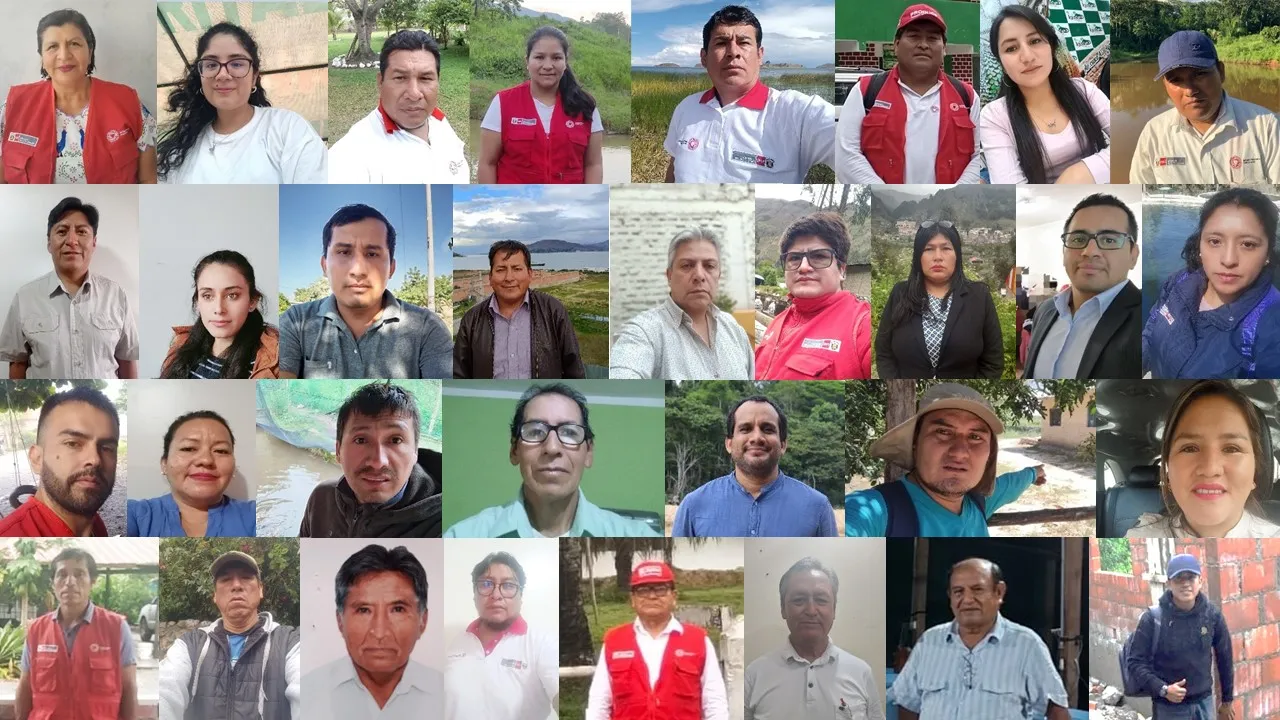
This certification marks an important milestone in strengthening the development of cooperatives, particularly within the country’s aquaculture sector.
The process began in April 2024 with a training phase for PRODUCE extension officers. Paulo Rojas, a master trainer in the ILO methodologies, provided practical tools to help professionals better understand the cooperative model and promote sustainable associative processes within aquaculture. Following the initial training, the extension officers received technical support from the ILO and were required to replicate the sessions in their regions as a key step toward certification.
In total, the trainers provided training to 267 aquaculture producers across 12 departments: Junín, Lambayeque, Piura, Loreto, Huancavelica, Cusco, Amazonas, Huánuco, Pasco, Ayacucho, Apurímac, and Áncash.
“The ILO certification process is demanding, and I want to thank each and every one of the extension officers for their commitment and time,” said Virginia Rose, Enterprise and Cooperative Specialist at the ILO Office for the Andean Countries.
The training replicas you have carried out have helped raise awareness and train more than 250 people in these methodologies across your departments.
Virginia Rose, Enterprise and Cooperative Specialist, ILO Office for the Andean Countries
During the virtual certification event, three extension officers shared their experiences, lessons learned and challenges faced in applying the methodologies in their local contexts. Their testimonials reflected not only the educational impact but also the need and relevance of promoting association as a strategy for economic development in territories where aquaculture is a vital source of income and employment.
“Aquaculture is important for our country. Methodologies like Think.Coop and Start.Coop are most needed in areas where people face extreme poverty”, said Oscar del Valle, Director General of Aquaculture at PRODUCE.
“We will not achieve responsible and sustainable activity and productive scaling if we do not work as a team—not only with the productive sector but also with the ILO and other institutions.”
Oscar del Valle, Director General of Aquaculture, PRODUCE
This joint effort between the Ministry of Production and the ILO is part of a broader technical assistance programme that seeks to consolidate a favourable ecosystem for cooperativism in Peru's aquaculture — a strategic sector due to its productive potential, capacity to generate decent employment and contribution to food security.
Within the context of the second UN International Year of Cooperatives, this initiative reflects the commitment of Peru and its international partners to highlight the role of cooperatives and the broader social and solidarity economy, promote this model as an effective response to social and economic challenges, and recognize their contribution to the country’s inclusive and sustainable development. The certification of these 24 trainers represents a significant step forward in that path.
Related content

Think.COOP - an orientation on the cooperative business model

Start.COOP - a Step-by-step tool to start up a cooperative - Training Guide