

News
Paving the path for strengthening Nepal’s Public Employment Services: Key insights on the way forward
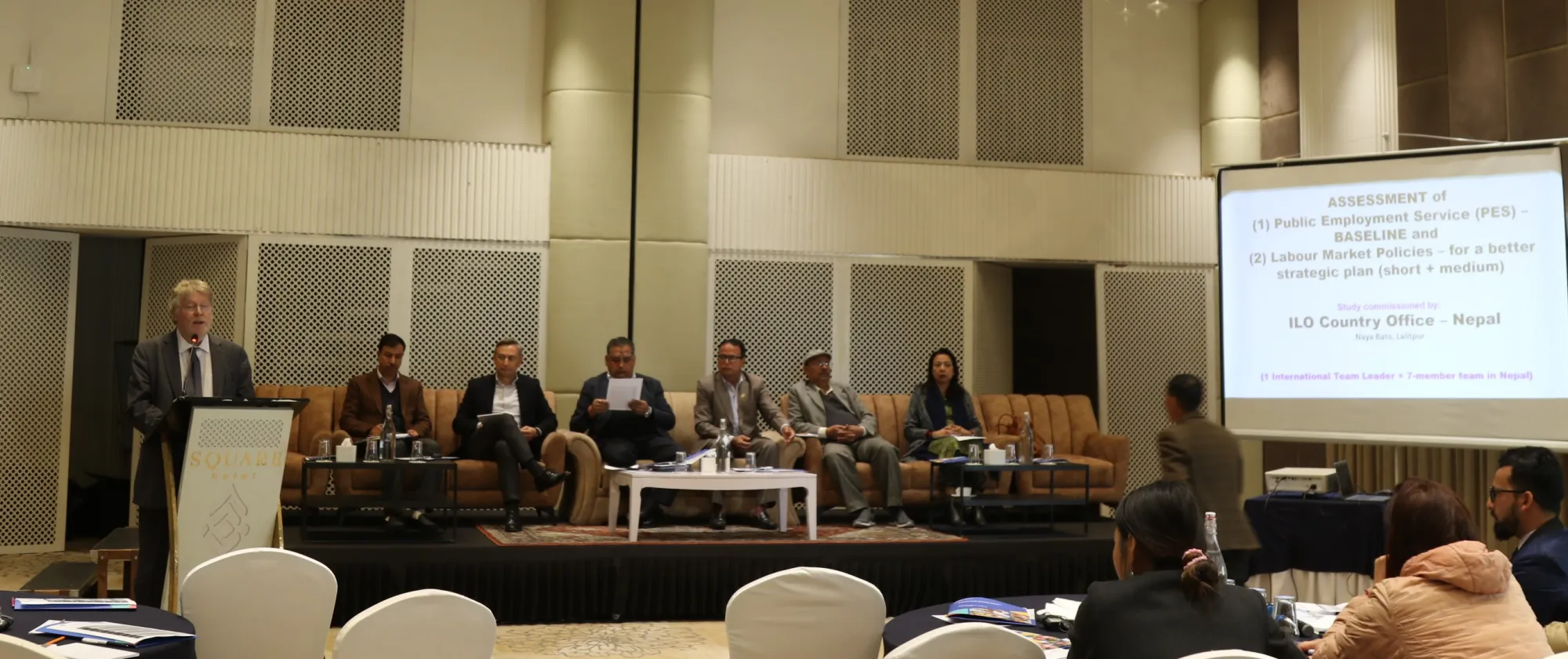
The validation workshop reviewed the assessment on Public Employment Services (PES) in Nepal, with the goal of improving Employment Service Centre's effectiveness. The workshop brought together key stakeholders to discuss the future of PES and align them with Nepal’s long-term employment goals.
24 February 2025
KATHMANDU (ILO News) – Unemployment remains a significant challenge in Nepal, particularly among youth and rural populations. The Right to Employment Act (2018) established Employment Service Centres (ESCs) to offer job matching, career counselling, and employment promotion services. However, gaps remain in their ability to meet the diverse needs of the workforce, especially marginalized groups such as returnees, people with disabilities, and women.
Despite some improvements, ESCs still struggle to effectively link jobseekers with employers and provide systematic referral services. In light of this, a validation workshop was held on 24 February 2025, to review the findings of an assessment on Public Employment Services (PES) and Labour Market Policies in Nepal. Organized by the International Labour Organization (ILO) Nepal and the Ministry of Labour, Employment and Social Security (MoLESS), the workshop aimed to validate preliminary findings and gather final inputs to shape the future direction of employment services in Nepal.
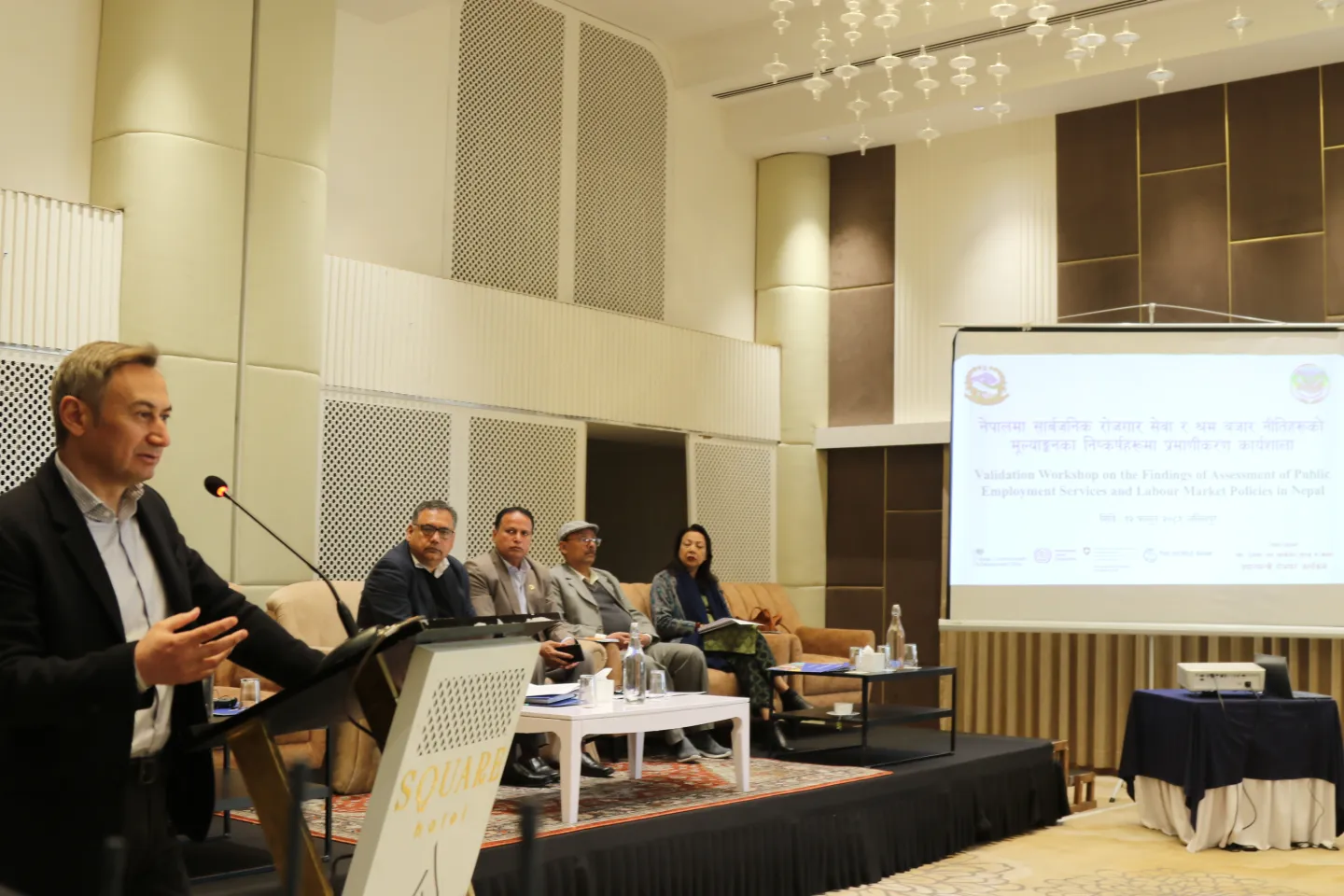
ILO Nepal Country Director, Numan Özcan, emphasized, “Through this collaborative effort, we aim to strengthen Nepal's public employment services and Labour Market Policies. By addressing gaps and improving the framework of ESCs, we are working toward building a sustainable and effective public employment system that benefits jobseekers, employers, and the labour market as a whole.”
The study, led by a team of international and national experts, assessed the status of ESCs and provided recommendations for enhancing their effectiveness.
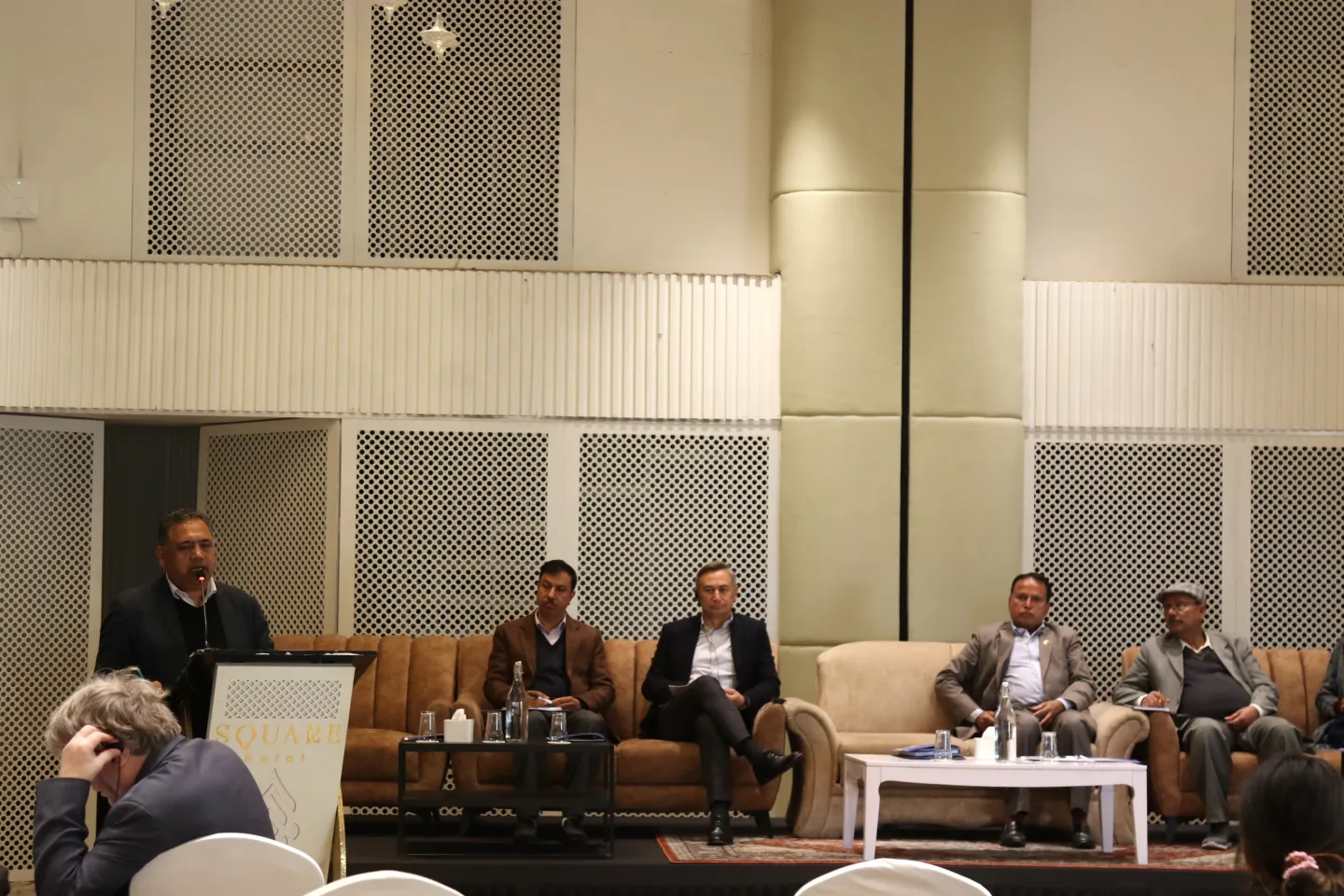
Dandu Raj Ghimire, Joint Secretary of the Internal Employment Management Division at MoLESS, noted that the assessment report, which evaluates both public and private sectors, will soon be presented nationally and internationally. “The report outlines the supplementary and complementary roles federal, provincial and local governments should play. We trust the recommendations proposed by the experts will provide a clear direction for the future of ESCs and employment services in Nepal.”
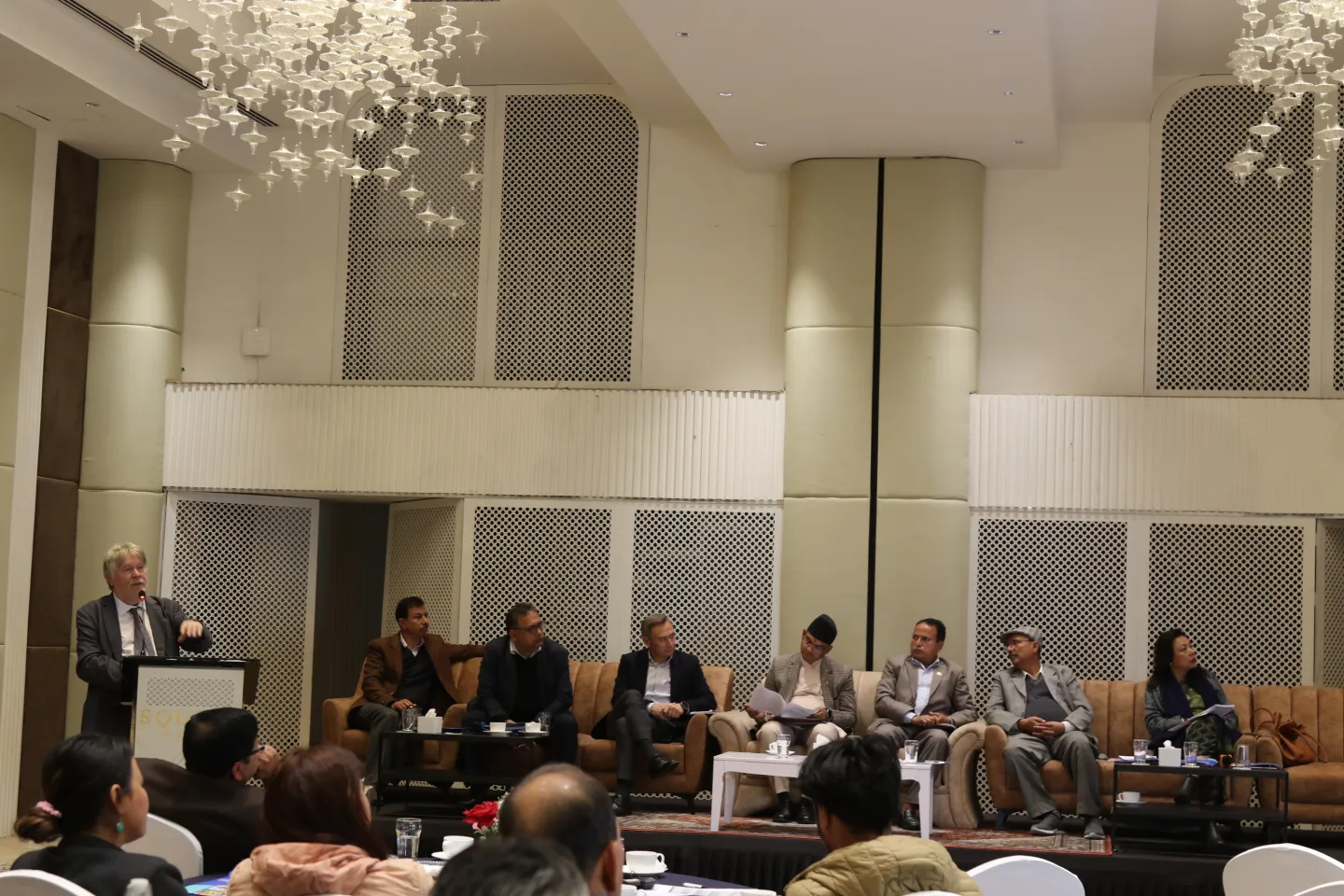
Mr. Eamonn Devern, Assessment Team Leader, stressed the importance of of piloting a phase-wise, incremental approach to find the best solutions for various regions in Nepal. He noted the need to adapt the system to local contexts and ensuring that each region's unique needs are addressed, ultimately shaping a more effective and inclusive public employment services system in Nepal.
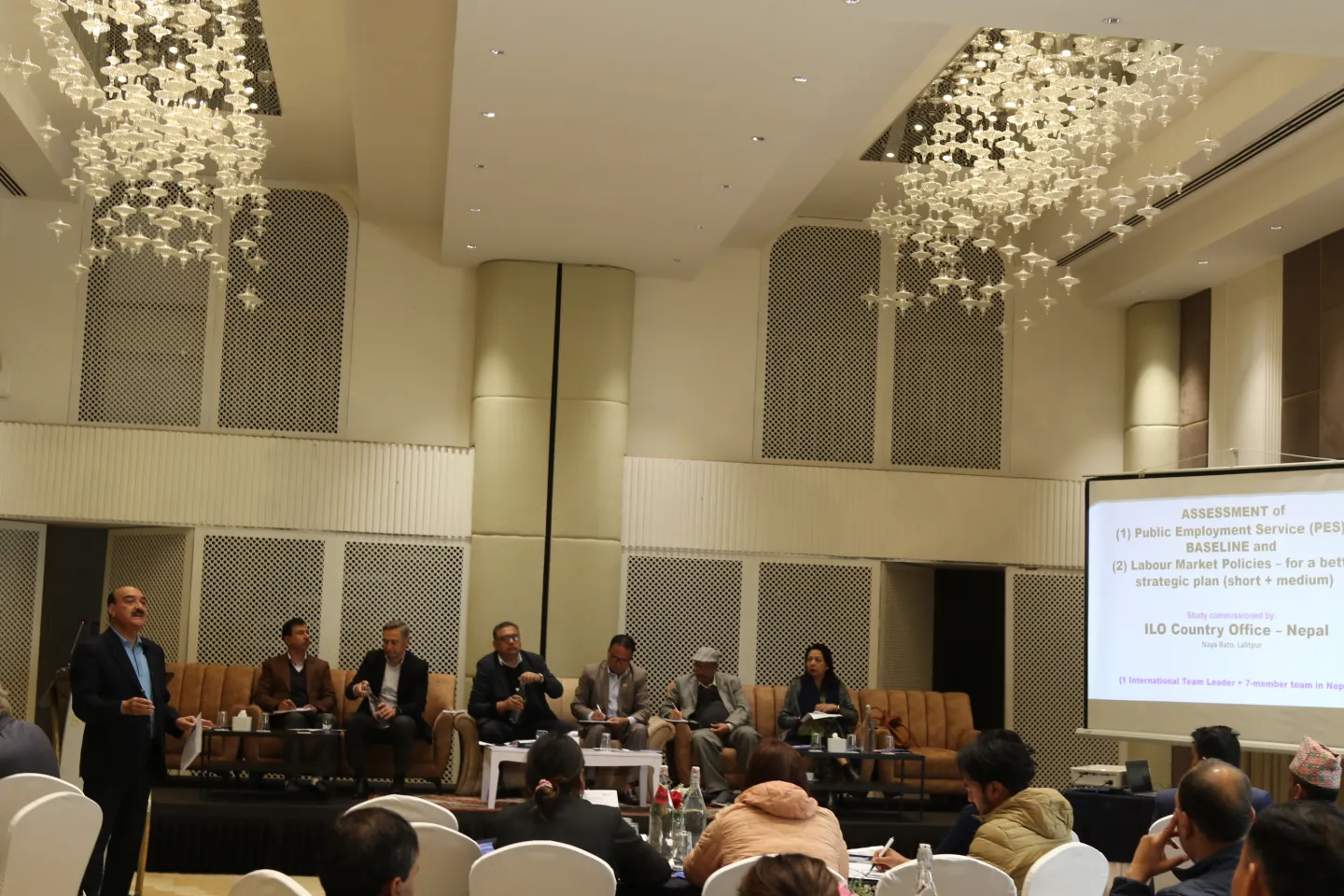
The workshop gathered 60-65 stakeholders, including government agencies, employers’ and workers' organizations, development partners, and experts, to discuss the findings and future of PES in Nepal. Key discussions also focused on improving service delivery, expanding employment opportunities, and aligning PES with Nepal’s long-term employment goals, including the “Decade of Internal Employment” initiative.
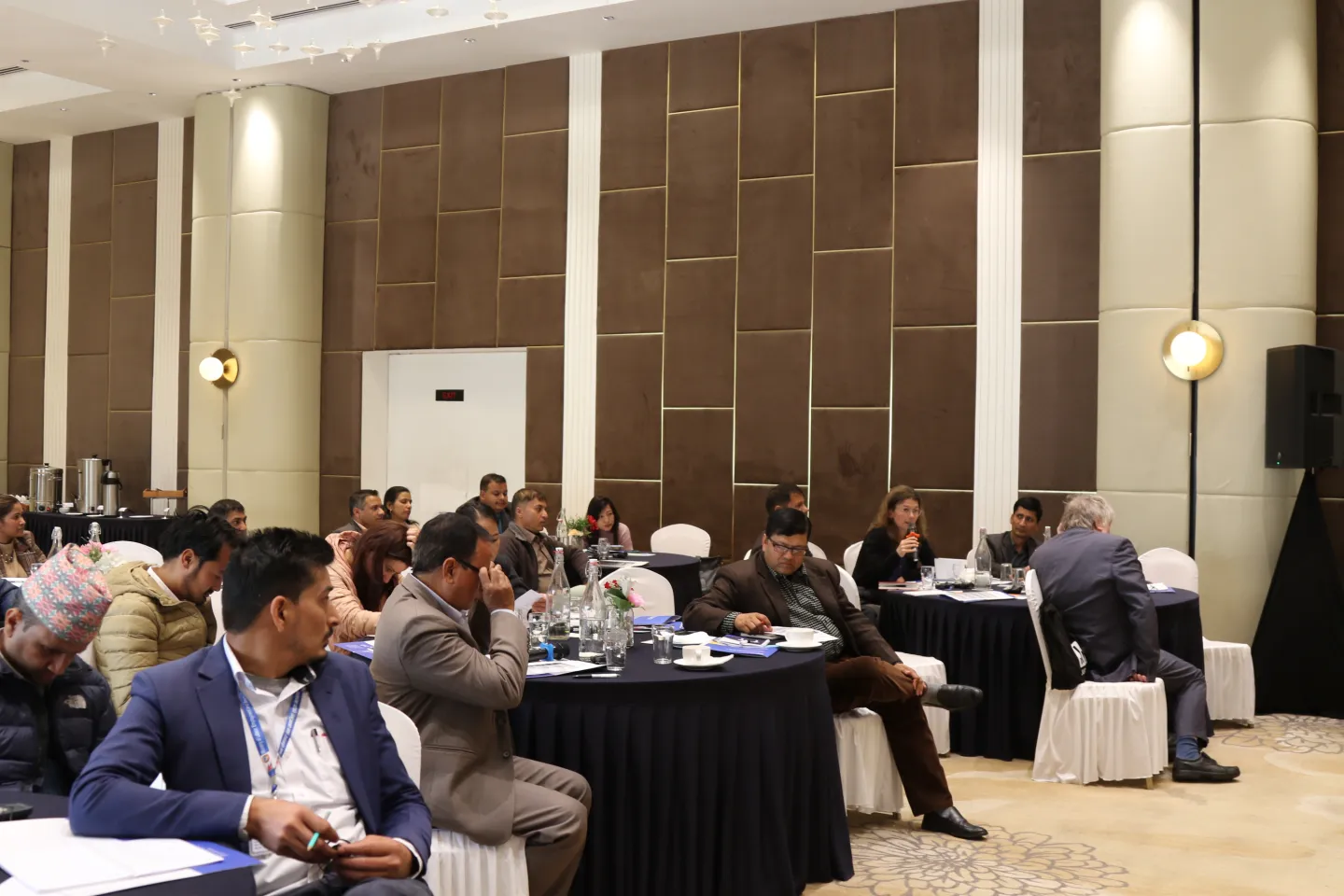
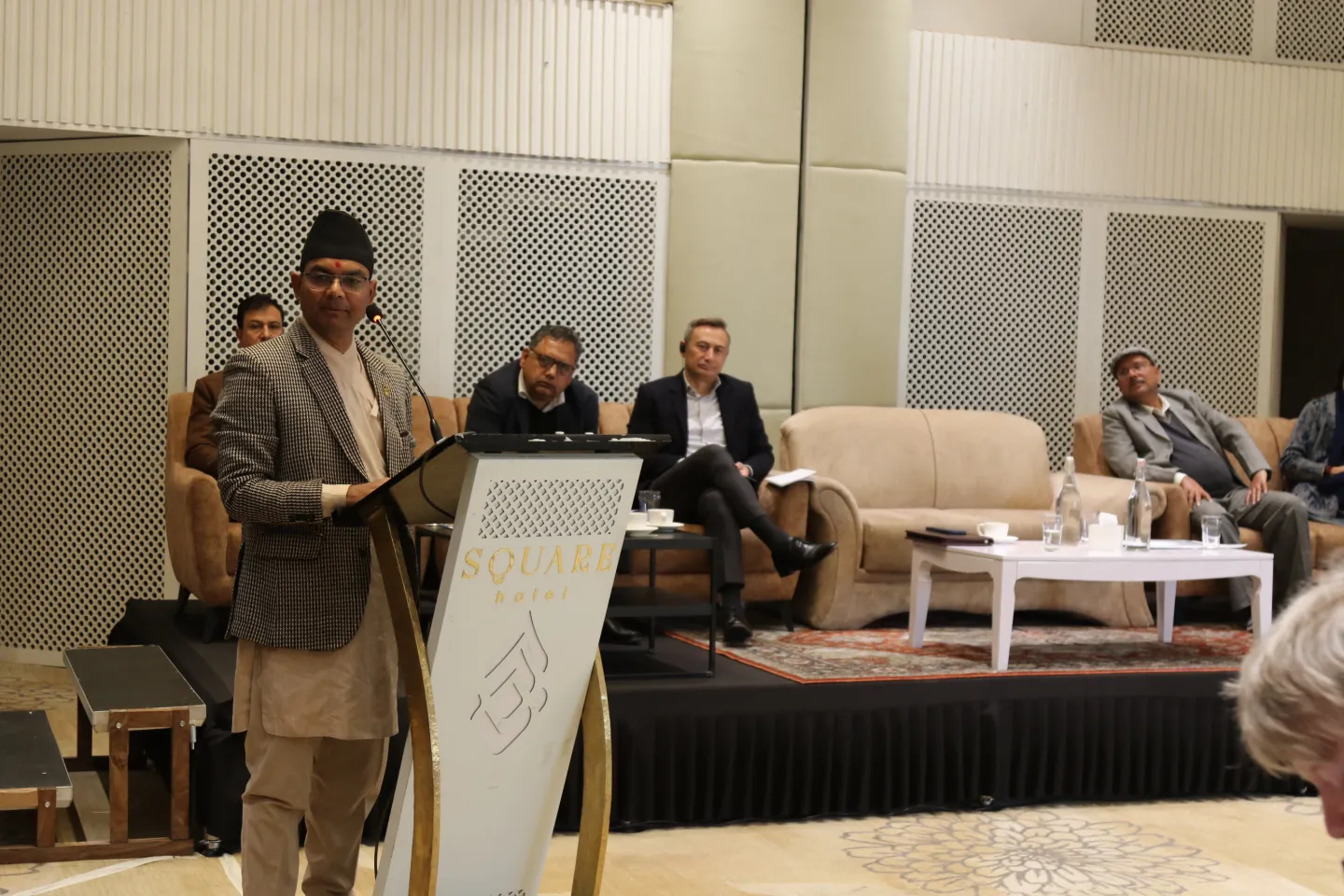
Closing the event Dr Krishna Hari Pushkar, Secretary, MoLESS shared that there is a need for private and public partnership along with collaboration between the youth, trade union and clear linkages between the federal, provincial and local governments while strengthening PES in Nepal. “The strategies in seven categories recommended by the assessment team are very relevant and I appreciate the assessment team and the ILO for this important study,” he added.
This validation workshop is a significant step in refining PES strategies, ensuring that employment services are inclusive, efficient, and responsive to the current and future needs of the Nepalese labour market.
The ILO’s ‘Strengthening of Employment Service Centres in Nepal’ project, supported by the World Bank and Swiss Development Cooperation (SDC), is working in collaboration with MoLESS to outline a strategic vision for institutionalizing PES at the federal, provincial, and local levels.
The project aims to support ESCs by expediting the implementation of employment promotion services, ensuring continuous capacity building for staff, fostering long-term institutional development and sustainability, and strategically positioning ESCs within provincial and local governments.
For more information, please contact:
Tara Prasad Bakhariya
National Project Coordinator, Strengthening of Employment Service Centres in Nepal
Email: [email protected]