

Nigeria Champions Gender Equality with Landmark Workplace Policy Revalidation
Nigeria has reaffirmed its commitment to workplace equality by revalidating its first National World of Work Gender Policy. Supported by the ILO, Oxfam, and key social partners, this milestone sets a new standard for inclusive, equitable, and safe work environments—empowering women, promoting fairness, and advancing decent work for all.
16 October 2025
Abuja, Nigeria — Nigeria has taken a bold step toward transforming its labour landscape by revalidating the country’s first National World of Work Gender Policy. Spearheaded by the Federal Ministry of Labour and Employment and backed by the International Labour Organization (ILO), Oxfam, and key social partners, the policy revalidation marks a historic achievement in promoting gender equality, inclusion, and decent work.
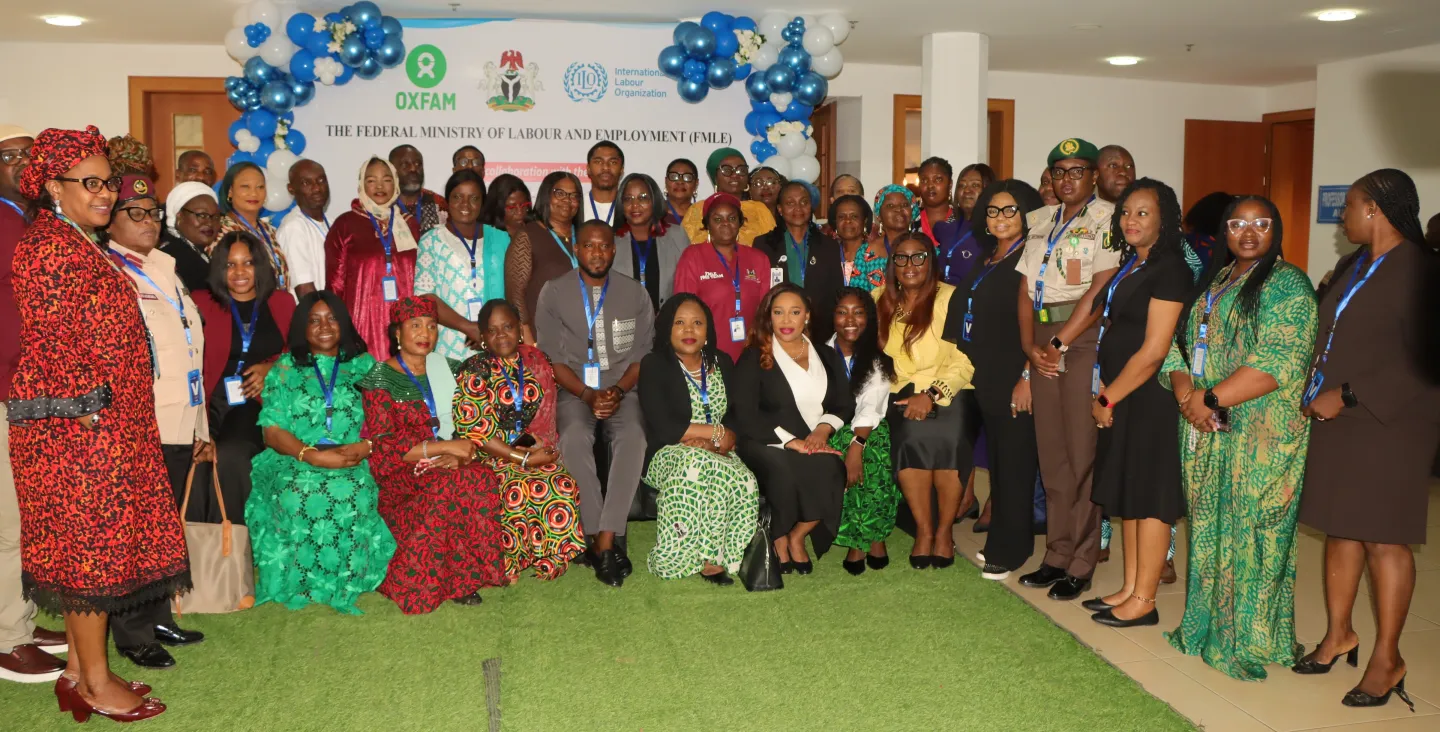
At a high-level validation workshop held in Abuja on 2 October 2025, representatives from government, trade unions, employers’ organizations, civil society, and development partners gathered to endorse the updated policy framework. The event showcased Nigeria’s leadership in advancing workplace rights and setting a regional benchmark for inclusive labour practices.
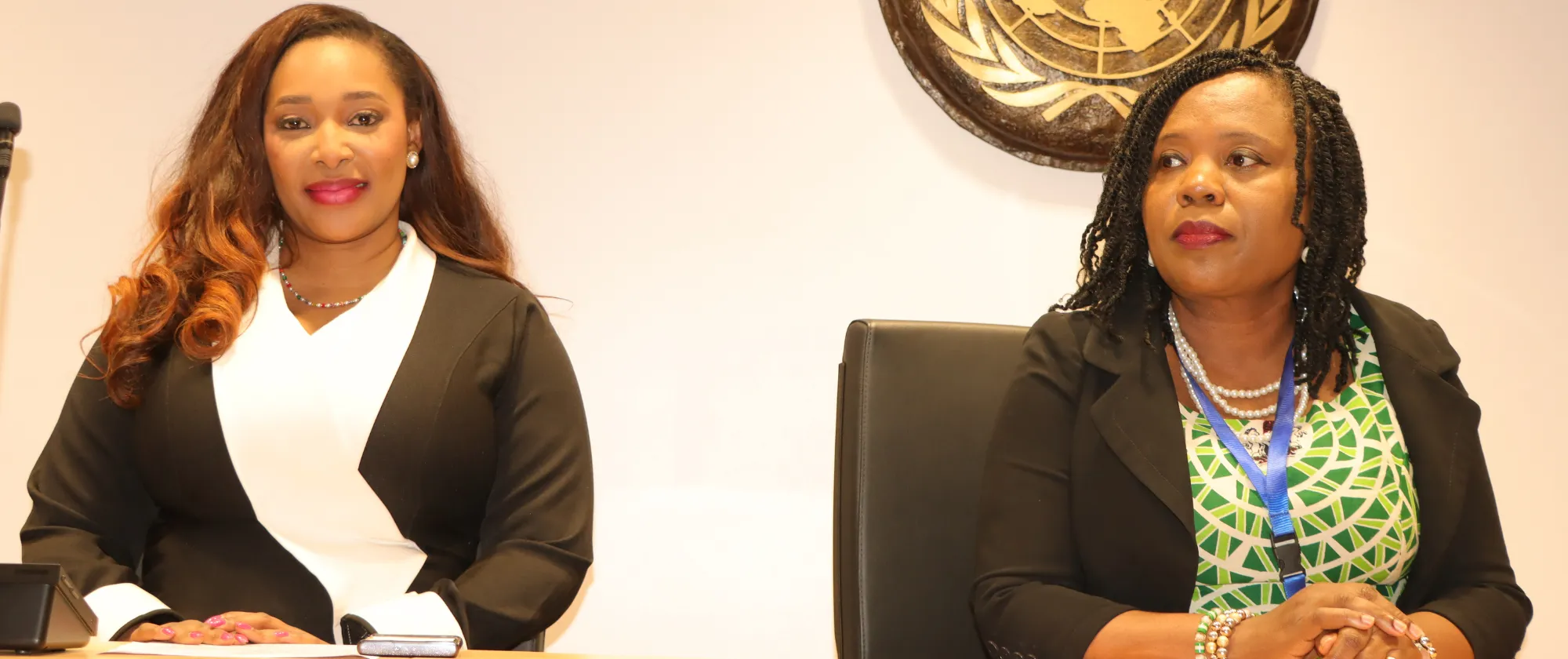
Speaking on behalf of ILO Country Director for Nigeria, Ghana, Liberia and Sierra Leone and Liaison Office for ECOWAS, Dr. Vanessa Phala, Dr. Runo Onosode praised the Federal Government’s leadership and reaffirmed the ILO’s continued support.
This policy strengthens mechanisms to tackle workplace inequalities, close the gender pay gap, dismantle barriers to women’s participation, and drive progress toward SDGs 5 and 8.
Dr. Runo Onosode
Mrs. Olaolu Olaitan, Director of the Inspectorate Department at the Ministry, described the policy as a transformative tool for mainstreaming gender across labour administration, inspection, and workplace practices. She emphasized its alignment with both national realities and international labour standards.
Peggy Maimagi, Acting Programme Manager for Economic Justice at Oxfam Nigeria, speaking on behalf of Country Director John Makina, called the policy a “guiding framework for fostering inclusive, equitable, and gender-responsive workplaces.”
The revalidated policy builds on Nigeria’s ratification of key ILO Conventions—C100 on Equal Remuneration, C111 on Discrimination, and C190 on Violence and Harassment—reinforcing the country’s role as a regional leader in promoting dignity, safety, and fairness in the world of work.
The ILO pledged continued support for the policy’s implementation through technical assistance, institutional capacity building, and sustained advocacy. This commitment ensures that the policy moves beyond paper into practice—delivering real change for Nigeria’s workforce.
The revalidated policy directly benefits women, youth, and marginalized groups by:
- Expanding access to fair and safe employment opportunities
- Promoting equal pay and career advancement for women
- Protecting workers from discrimination, violence, and harassment
- Creating inclusive workplaces that reflect Nigeria’s diversity
With this milestone, Nigeria sets a powerful example for the region—proving that inclusive policies can drive economic growth, social justice, and decent work for all.