

Decent work and wage justice
Nepal's commitment to fair wages: A path to social justice
Nepal is stepping up efforts to strengthen fair wage-setting mechanisms through inclusive, evidence-based policies. The International Labour Organization (ILO) continues to support social dialogue and tripartite cooperation to ensure living wages and decent work for all.
23 April 2025
KATHMANDU, Nepal (ILO News)- Ensuring fair wages is fundamental to achieving decent work, reducing poverty, and promoting social justice. In Nepal, where wage disparities and informality persist, strengthening wage-setting mechanisms has become a key priority in building a more equitable and sustainable economy.
Fair wage policies anchored in inclusive, transparent, and evidence-based processes are vital to addressing wage inadequacy, gender pay gaps, and lack of compliance in the labour market. These policies go beyond just setting wage levels; they aim to ensure that workers can live in dignity, businesses can thrive, and economic growth is both inclusive and resilient.
The ILO has long supported countries, including Nepal, in developing robust minimum wage systems that reflect local economic conditions and are aligned with international labour standards. Nepal was the first country in South Asia to ratify the ILO Minimum Wage Fixing Convention, 1970 (No. 131), demonstrating its early commitment to institutionalizing fair wage practices through a tripartite approach.
To support Nepal’s progress toward fairer wage policies and advance this agenda further, ILO Nepal and the Ministry of Labour, Employment and Social Security (MoLESS) has organized a three-day technical workshop in Kathmandu from 23 to 25 April 2025 on “Designing and Implementing Effective Wage Policies in Nepal.” The event brings together government, employers, and workers’ representatives to strengthen capacity on wage-setting mechanisms through dialogue, case studies, and global insights guided by the ILO Wage Policy Guide and Global Wage Report 2024–25.
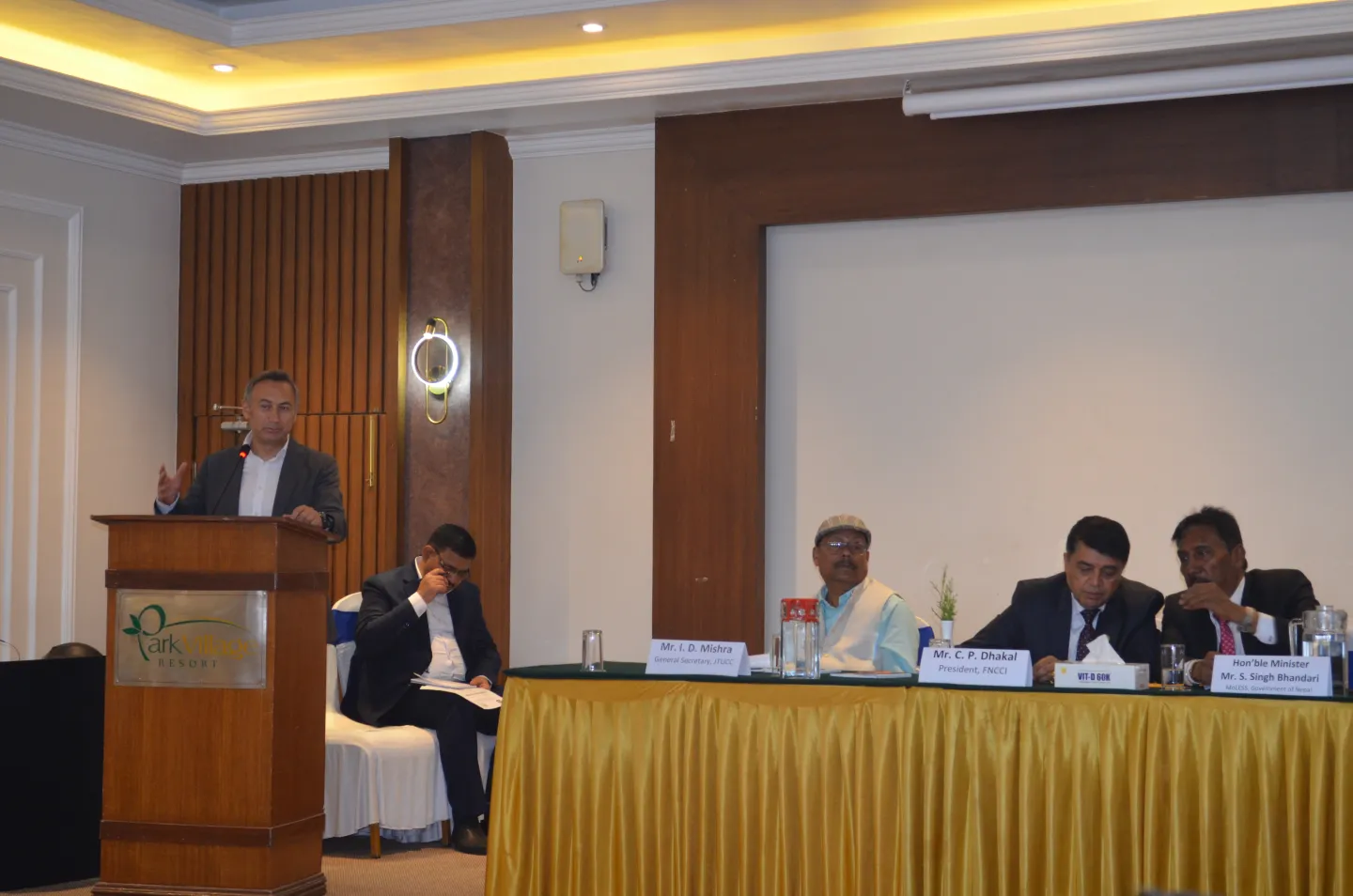
“Wages are more than just numbers on a payslip. They represent the value of work, fairness of the economy, and the dignity of working people. A well-set minimum wage, informed by data on living costs, productivity, and enterprise sustainability, benefits everyone. I am confident that this workshop will help us move forward to strengthen the minimum wage system in Nepal,” highlighted Numan Özcan, ILO Nepal Country Director.
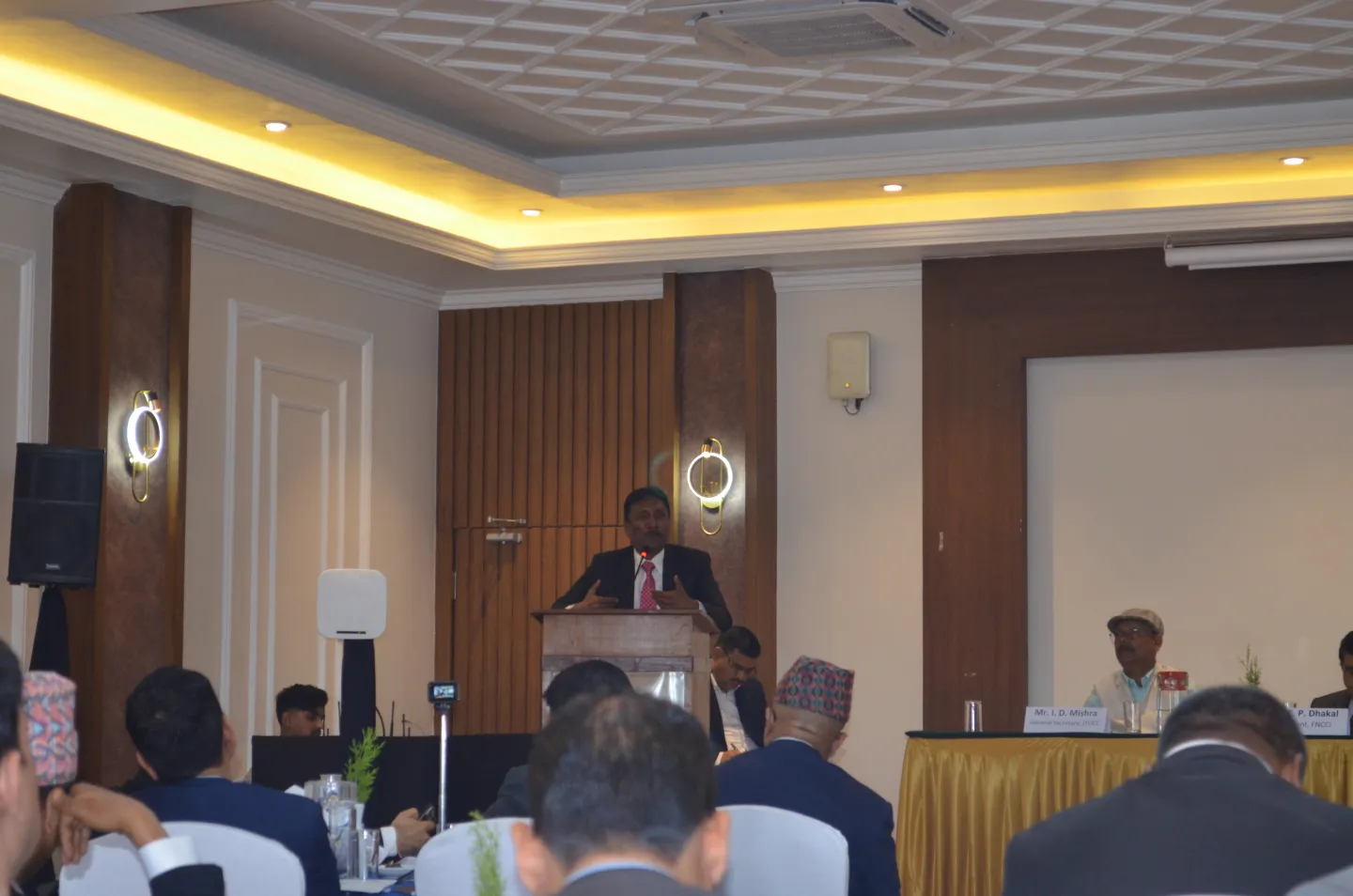
Honourable Minister Sharat Singh Bhandari, MoLESS emphasized, "Nepal is the first country in South Asia to ratify the ILO Minimum Wage Fixing Convention and I am happy that the country has been addressing challenges and advancing employment issues. We have already established a permanent body, and there are ongoing guiding factors in the current situation as well. By letting automation take its course to help us avoid confrontations, it will help create a favorable environment for economic progress and investment."
He further continued, "When it comes to minimum required investment and people’s livelihoods, the key questions remain- what is a living-standard wage, and what constitutes an adequate wage for a decent life? Answers to these questions are shaped by each country’s own economic structure and circumstances. The ILO has provided us with guidelines, approved resolutions, and standards to follow. Nepal must realize these objectives, and our presence will be ensured throughout the process. Finally, domestic employment needs to be well organized to sustain these efforts."

Closing the event's first day Pradeep Kumar Koirala, Joint Secretary, MoLESS stated that when determining minimum wages, we need both formal and informal consultations. "Should we set the minimum wage in fixed numbers or based on indicators? The national government must assume some responsibility, provincial governments should have defined roles, and local governments shouldn’t be limited to monitoring, they need broader functions. Through this workshop, we will have more clarity on other countries’ practices to resolve our remaining doubts, such as whether the minimum wage should be uniform nationwide or vary by sector. The government must issue its own declaration, and we require conceptual clarity to move forward," he added.
The workshop highlights ILO’s ongoing commitment to promoting decent work through inclusive wage policies and strong labour institutions. This initiative supports Nepal in developing a wage system that reflects economic realities and ensures dignity for all workers. By strengthening wage-setting mechanisms and fostering dialogue-based labour governance, Nepal is taking meaningful steps toward a more just and resilient labour market.
For further information, please contact:
Nistha Rayamajhi
Communications Officer