


Nepal strengthens capacities to better negotiate labour migration agreements
Nepal is keen to strengthen its approach to bilateral labour migration agreements with support from the International Labour Organization (ILO), which is helping build national capacity to develop, negotiate and implement rights-based, gender-sensitive bilateral labour migration agreements. This initiative is intended to promote safer, orderly and regular labour migration, including effective governance.
27 May 2025
KATHMANDU, Nepal (ILO News)- With over 2.1 million Nepali citizens living abroad, and over 740,000 labour permits issued in the fiscal year 2023/24, foreign employment remains central to Nepal's economy. Recognizing this, the Government of Nepal is committed to ensuring that labour migration is safe, regular and dignified.
Bilateral Labour Migration Agreements (BLMAs) and Memorandum of Understanding (MoUs) are critical tools to protect the rights of Nepali migrant workers and regulate their employment abroad. To date, Nepal has signed such agreements with 12 countries and has prioritized to have similar agreements with additional countries. However, gaps in technical expertise, negotiation skills, and monitoring mechanisms have limited the impact of these agreements.
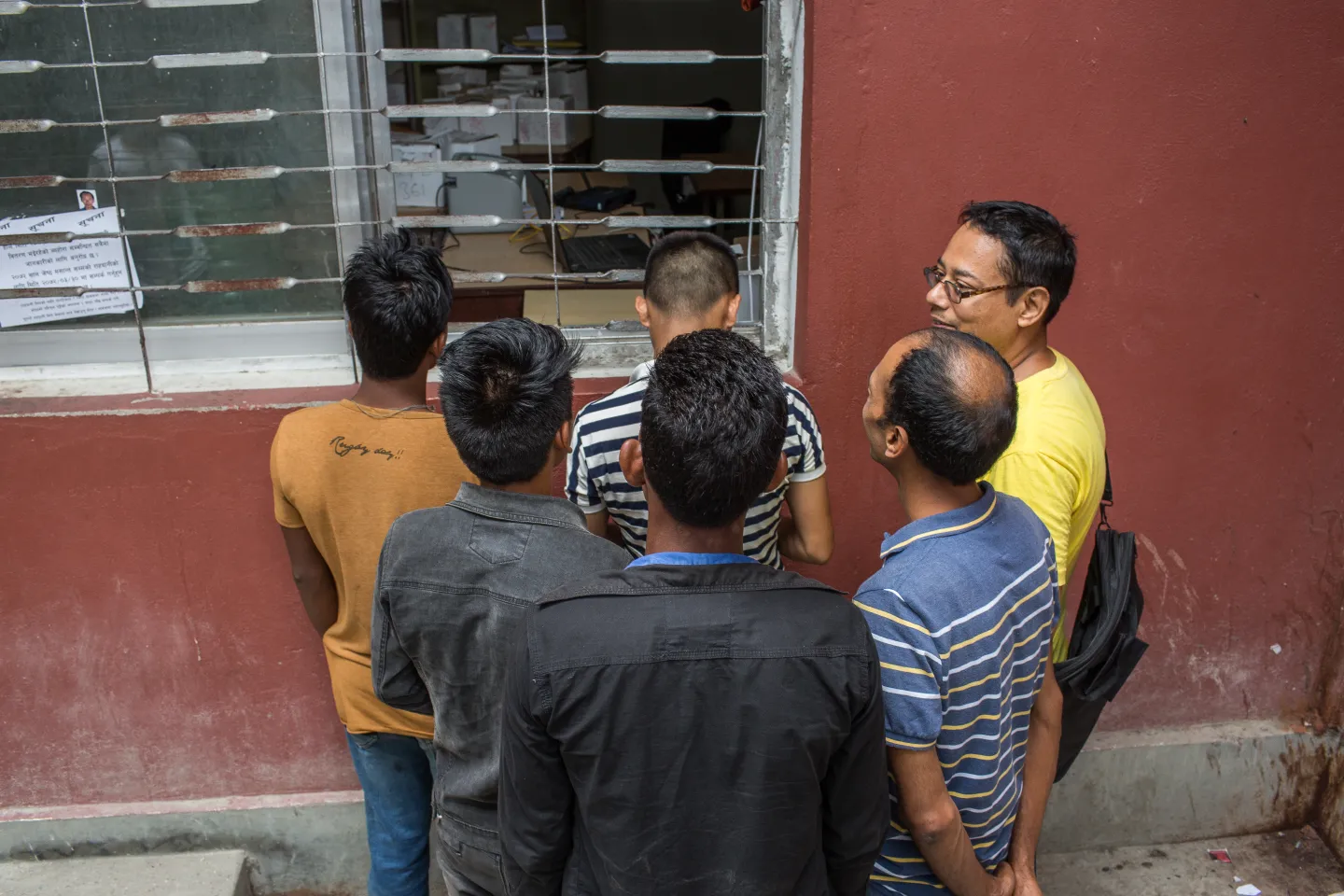
As labour migration continues to shape Nepal’s socio-economic landscape, there is an increasing need for safe, orderly, and rights-based labour migration. Considering this, an extensive national training programme aimed at improving the country’s technical capacity in developing, negotiating and implementing BLMAs and MoU’s has been initiated.
Organized jointly by the International Labour Organization (ILO) under the Migrant Rights and Decent Work Project (MiRiDeW-Phase II) project which is funded by the Swiss Agency for Development and Cooperation (SDC), along with Ministry of Labour, Employment and Social Security (MoLESS) and delivered in collaboration with the International Training Centre (ITC) of ILO, this initiative comes as Nepal seeks to expand and renew its existing agreements with destination countries to better protect its millions of citizens working abroad, many of whom contribute significantly to the national economy through remittances.
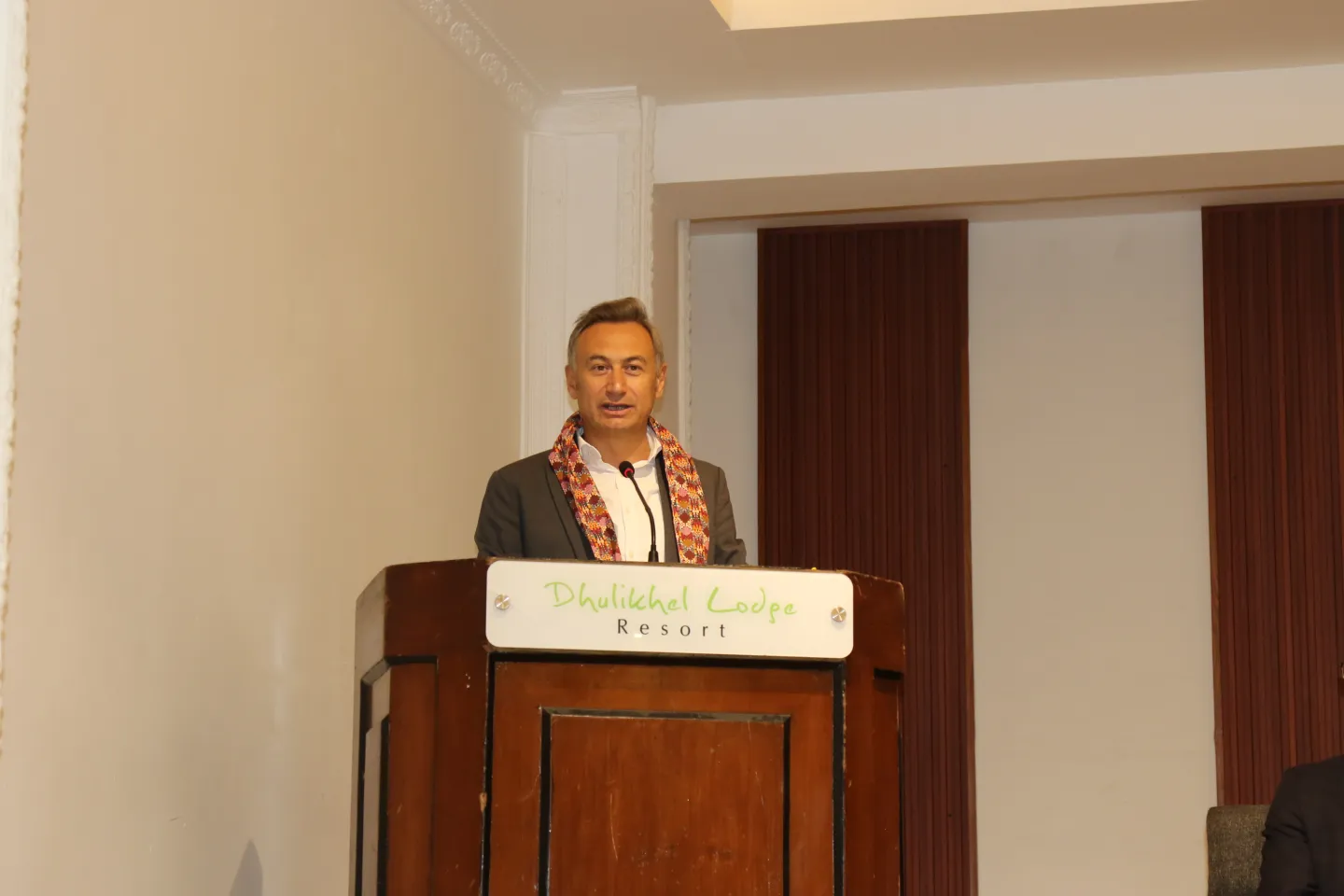
ILO Nepal Country Director Numan Özcan emphasized, “A well-designed agreement helps ensure ethical recruitment, fair working conditions, and legal protections for workers abroad. This is why capacity-building is so crucial. Our goal with this training therefore is to strengthen the negotiation skills of the officials who will draft and implement these agreements.”
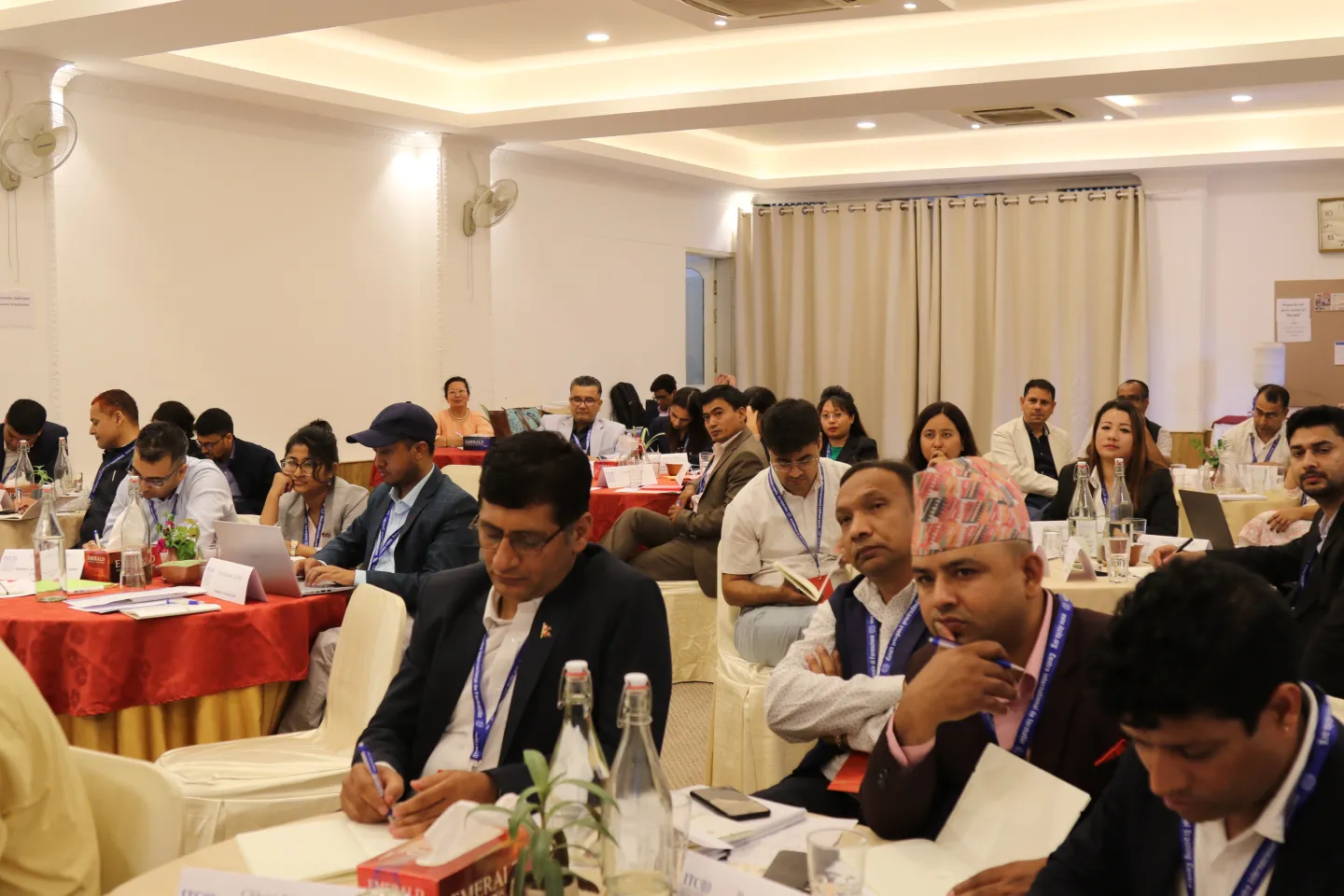
The training aims to enhance the technical skills of 30 participants including government officials, trade unions, academia and relevant stakeholders with practical knowledge and the technical skills required in the development, negotiation, adoption, implementation, and follow-up of bilateral agreements/MoUs.

Honourable Minister Sharat Singh Bhandari, MoLESS underlined, “When it comes to bilateral agreements, we need to approach it with utmost seriousness and ensure that they reflect internationally recognized standards. We must initiate agreements based on these principles. We have already developed templates outlining the fundamental elements of bilateral labour agreements. Whenever such agreements are initiated with any country, they must begin with certain non-negotiable minimum standards. The ILO has highlighted core issues, including the minimum protection and welfare of workers, their health, safety, and fundamental rights. These must be discussed as the foundation of any labour agreement. Our workers are contributing through hard work. Therefore, they deserve protection, recognition, and reward for their contributions."
The training is being organized in three phases- with online self-paced learning modules and face to face in May and online wrap up with assignments and final assessments during first week of June. The course covers normative foundations and international labour standards, negotiation techniques, gender-sensitive and rights-based agreement design, good practices from countries like the Philippines.
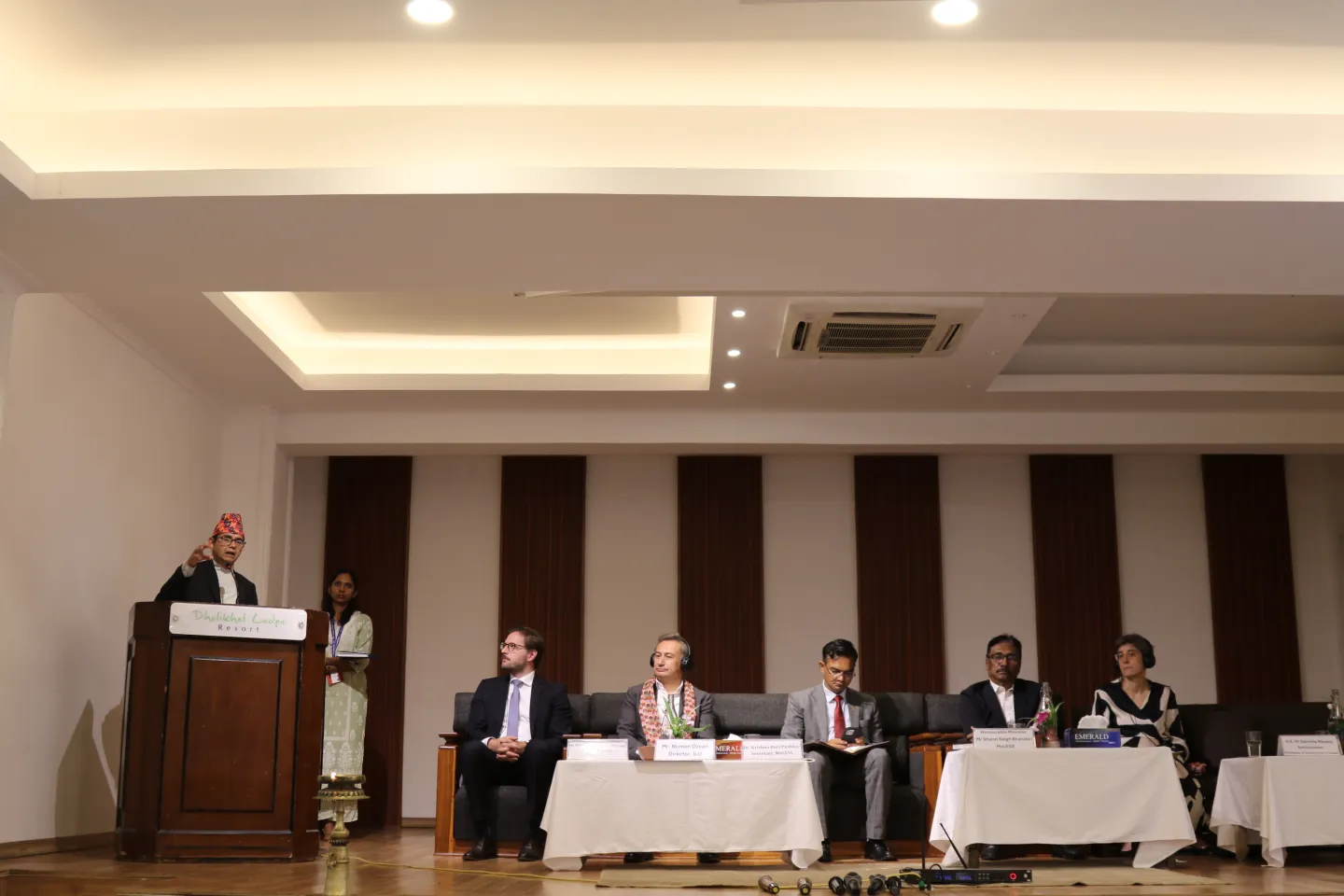
Mr Puspa Raj Bhattarai, Joint Secretary, Labour Migration and Diaspora Coordination Division, Ministry of Foreign Affairs (MoFA) highlighted, “This timely initiative is crucial for enhancing the capacity of officials particularly those in government ministries, and diplomatic missions, who are at the forefront of protecting and promoting the rights and welfare of Nepali migrant workers. This training provides an excellent platform to strengthen our technical knowledge, negotiation skills and practical understanding of how BLMAs can be effectively developed and implemented.”
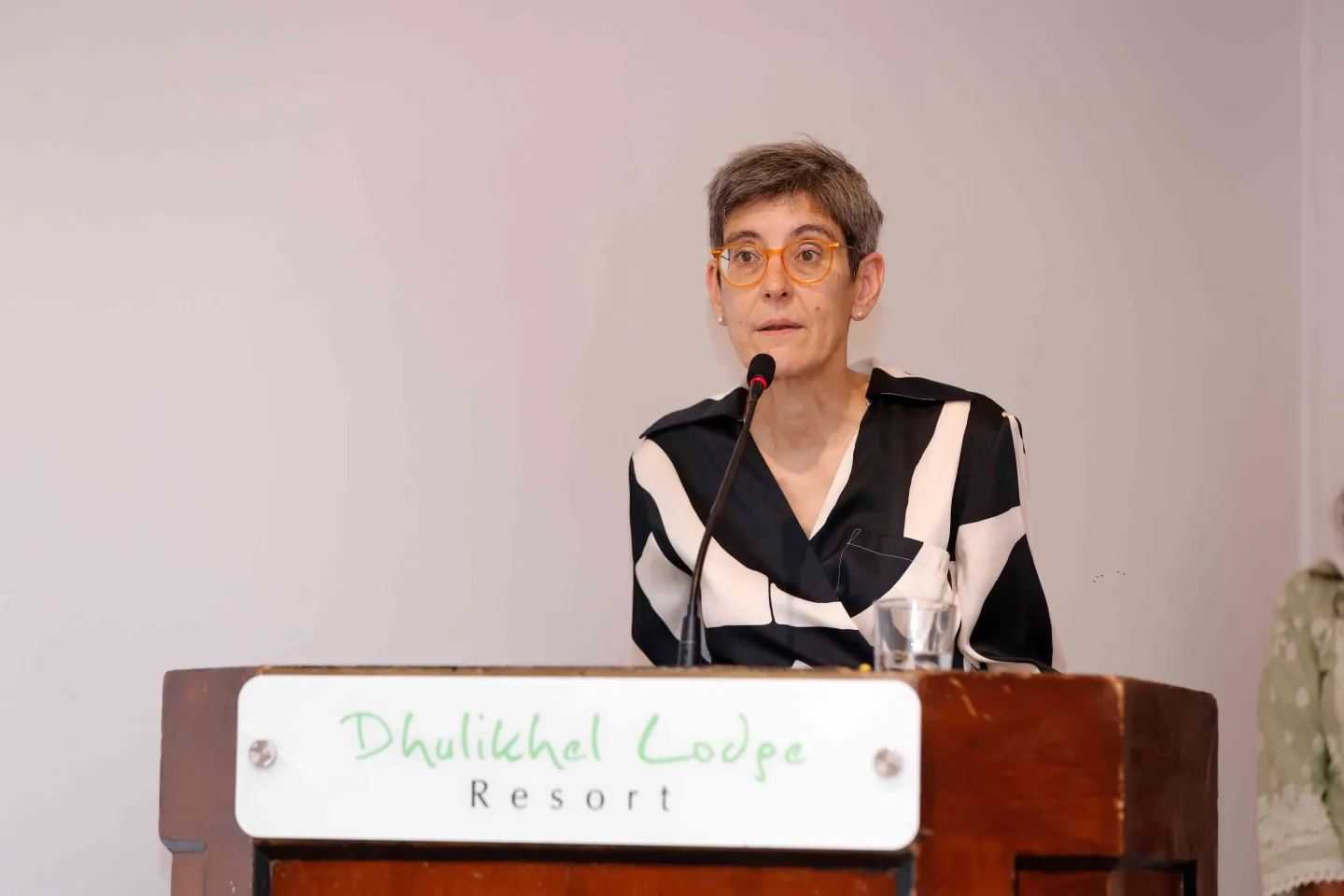
Her Excellency Dr. Danielle Meuwly, Ambassador of Switzerland to Nepal stated, “We are particularly encouraged by the establishment of a new division within the MoFA that is mandated to address the concerns of Nepali migrant workers abroad. The enhanced collaboration between MoFA and the MoLESS is commendable and will significantly contribute to better support for Nepali migrants.”
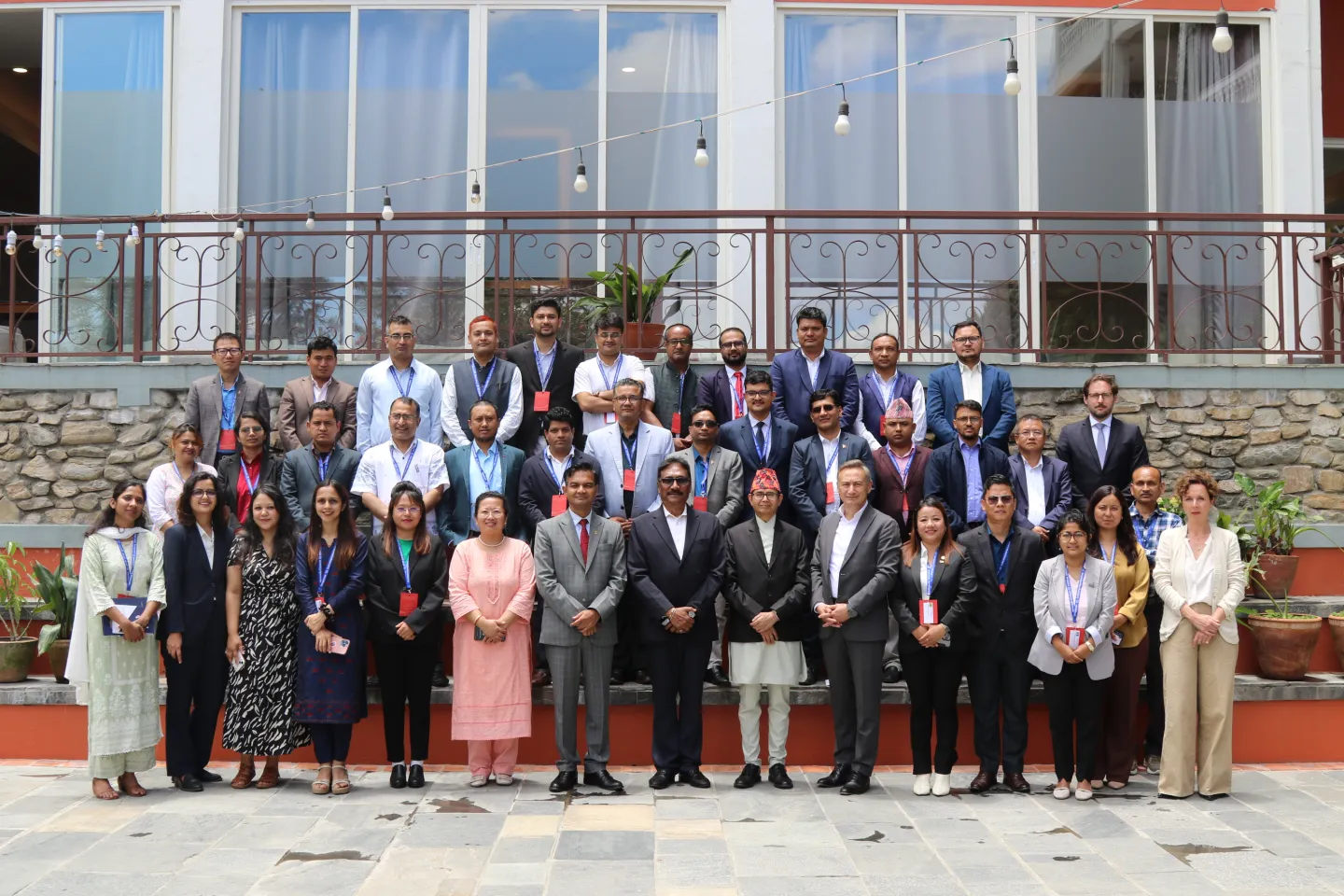
The training represents a forward-looking investment in labour migration diplomacy and policy advocacy. It is part of a broader capacity-building strategy to promote decent work for migrant workers, strengthen the governance of labour migration, and integrate international labour standards into Nepal’s agreements with destination countries, marking a significant step towards fair and rights-based labour migration.
For further information, please contact:
Nistha Rayamajhi
Communications Officer