

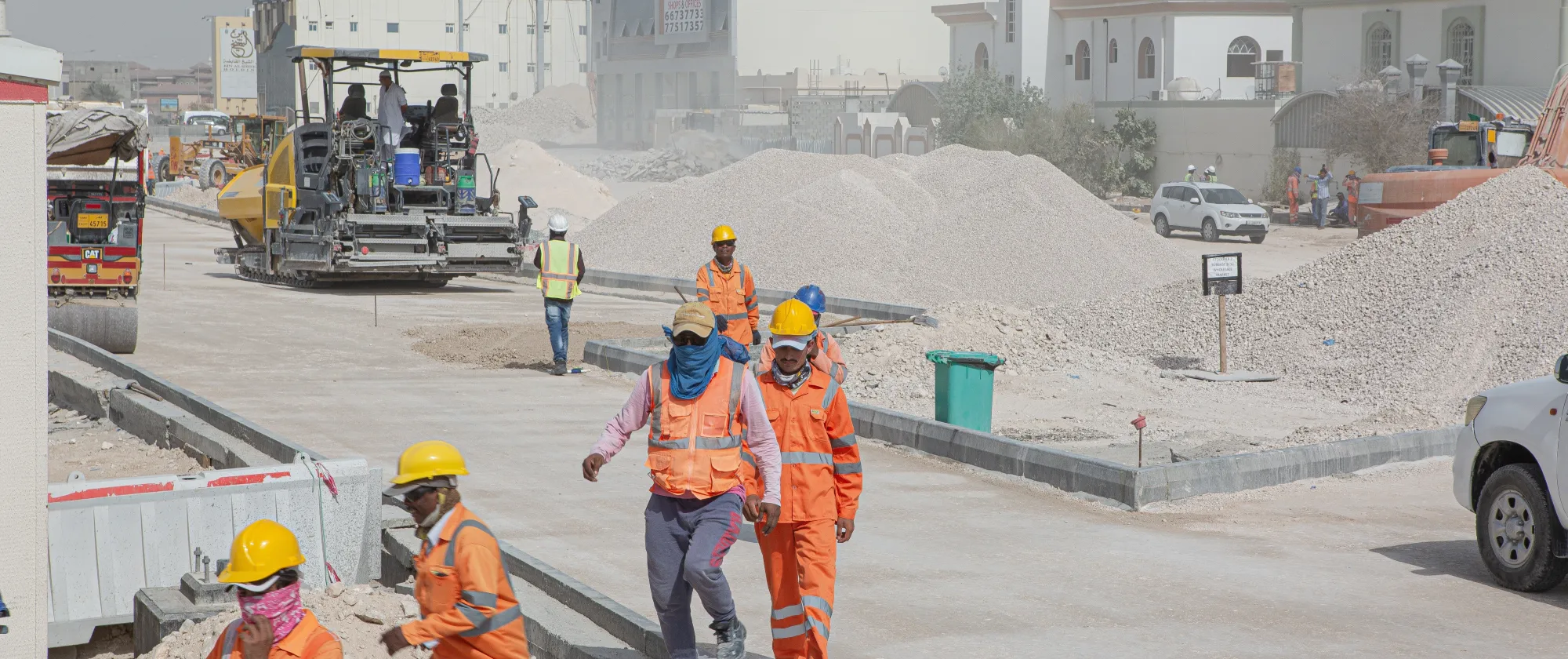
Nepal advances for stronger social protection for migrant workers at home and abroad
National dialogue calls for better coordination across the migration cycle and closer alignment with destination-country systems.
28 April 2026
Kathmandu, (ILO News)- Nepal has taken an important step towards strengthening social protection for migrant workers, with national stakeholders calling for a more coordinated approach that protects workers before departure, during employment abroad, and upon return.
The National Dialogue on Strengthening Social Protection for Nepali Migrant Workers Across the Migration Cycle was convened by the International Labour Organization (ILO) in collaboration with the Social Security Fund (SSF). It brought together representatives of government, employers’ and workers’ organizations, development partners, researchers, civil society and migrant worker representatives to identify practical ways to improve protection for Nepali workers across borders.
Labour migration remains central to Nepal’s economy and to the livelihoods of many households. But migrant workers continue to face serious risks across the migration cycle, including job loss, workplace injury, wage-related problems, limited access to health care, psychosocial distress, and weak reintegration support. Recent crises in the Middle East have further exposed these vulnerabilities and reinforced the need for stronger, more coherent systems of support.

Discussions focused on how Nepal can strengthen coordination between its existing mechanisms, including the Social Security Fund and the Foreign Employment Welfare Fund, while improving service delivery, access to benefits and grievance support. Participants also explored how national measures can better connect with protections available in destination countries, particularly in the Gulf, where social protection systems are gradually becoming more structured and institutionalized.
“Migrant workers face risks across borders and throughout their migration journeys, from departure to return. Our response must be equally coordinated, ensuring protection is continuous and accessible at every stage,” said Numan Özcan, ILO Country Director for Nepal.
The dialogue also highlighted that stronger protection for migrant workers will require a phased and practical approach: first, improving coherence within Nepal’s own systems, and then progressively deepening engagement with destination countries through more structured forms of cross-border cooperation.

Mr Kabi Raj Adhikari, Executive Director, Social Security Fund (SSF), highlighted, “SSF has established a social protection system for Nepali migrant workers, providing benefits such as medical care, maternity and disability allowances, and pensions. Migrant workers face many risks yet remain vital to Nepal’s economy so strengthening social protection through collaboration is essential.”

Dr Dipak Kafle, Secretary, Ministry of Labour, Employment and Social Security (MoLESS), stated, "This forum aims to strengthen social security for migrant workers through a more comprehensive approach. As systems evolve, policies and institutions must adapt and collaborate to improve implementation. Going forward, the focus should be on building stronger linkages across the migration cycle, drawing on national and international experience."
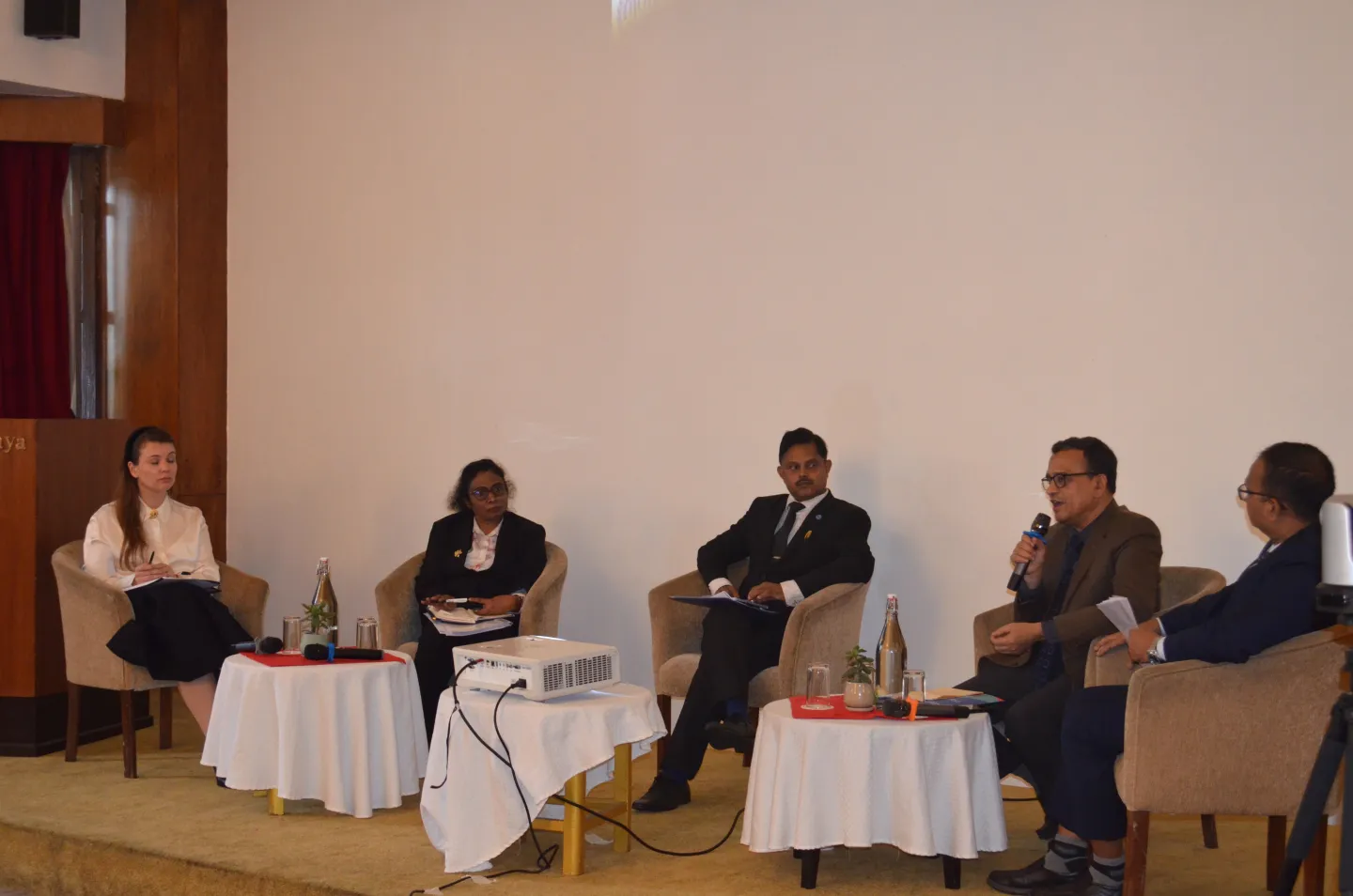
Participants further stressed the value of stronger regional dialogue across South Asia. While countries may compete in global labour markets, they noted, this should never come at the expense of workers’ rights and dignity. Greater regional cooperation can help labour-sending countries advance common priorities and engage more effectively with destination countries on social protection issues.

The National Dialogue marks an important first step towards a shared national vision for a more coherent, rights-based and forward-looking approach to social protection for migrant workers, one that works better within Nepal and connects more effectively across borders.
------
The National Dialogue was supported by the Partnership on Protecting and Promoting the Rights of Nepali Migrant Workers, including Care Migrant Workers (PPR-MW) Project, funded by the Deutsche Gesellschaft für Internationale Zusammenarbeit (GIZ), and the STREAM Programme: Extending Social Protection to Migrant Workers and Their Families in the South Asia–Gulf Corridor.
The PPPR-MW project aims to promote rights-based approaches to labour migration through close collaboration with key stakeholders in Nepal, building on the ILO’s established initiatives, strategic partnerships, networks, and accumulated lessons to safeguard the rights and enhance the welfare of Nepali migrant workers at both national and global levels.
STREAM is a multi-country, multi-partner initiative designed to expand inclusive, gender-responsive and rights-based social protection coverage for migrant workers and their families across the South Asia-GCC migration corridor. Implemented by the ILO in partnership and with funding from the Swiss Agency for Development and Cooperation, the Foreign Policy Instrument of the European Union and the Ford Foundation, STREAM aims to create a world where every migrant worker – no matter their gender, status, or sector - can access the social protection they deserve to live and work in dignity.
For more information, please contact:
Nistha Rayamajhi
Communications Officer
ILO Country Office for Nepal
Relevant projects

Project
STREAM - Extending Social Protection to migrant workers and their families in the South Asia-Gulf Corridor