

Press Release
Nepal’s textile and garment sector prepares for post-LDC graduation with strengthened competitiveness and responsible conduct
Through stronger social compliance, responsible business conduct and social dialogue supported by ILO, the sector is building credibility, resilience and market readiness needed to compete beyond LDC status.
27 March 2026
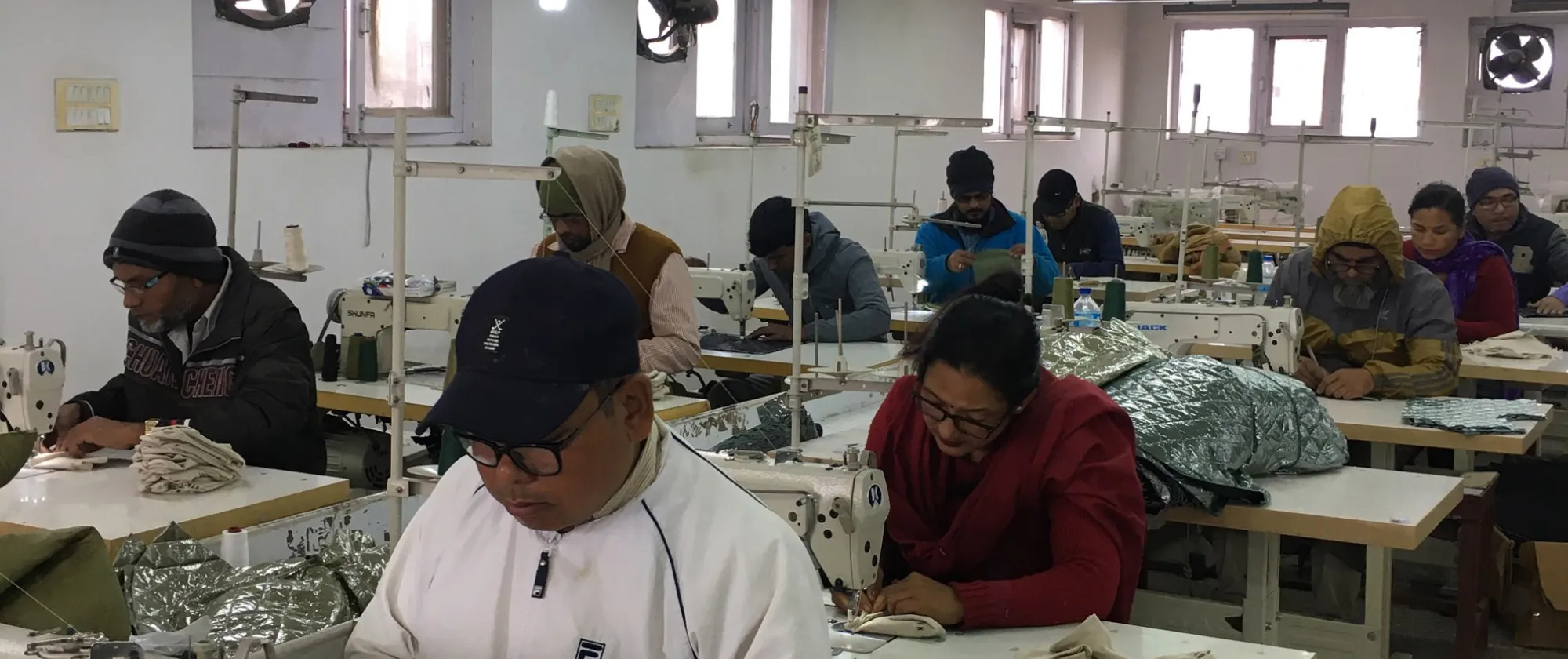
KATHMANDU (ILO News)- As Nepal prepares to graduate from Least Developed Country (LDC) status in November 2026, the textile and garment sector, one of the country’s key export industries and a major source of women’s employment faces increasing pressure to meet evolving global market expectations. International buyers are placing growing emphasis on labour rights compliance and human rights due diligence throughout supply chains, making social compliance not just desirable, but essential for market access.
In this context, a five-day training programme on Responsible Business Conduct (RBC) and Social Compliance for Export Readiness was organized in Kathmandu to support the sector at a critical juncture.

Facilitated by the International Training Centre of the ILO (ITCILO) under the ILO’s project to support Nepal's LDC Graduation, the training brought together garment textile and garment sector entrepreneurs including government and workers’ organizations, and associated chambers to strengthen practical knowledge and skills to align with international standards. A total of 35 representatives from the Garment Association of Nepal (GAN), Nepal Carpet Manufacturers & Exporters Association (NCMEA), textile-related start-ups, the Federation of Nepalese Chambers of Commerce and Industry (FNCCI), trade unions, and relevant government institutions are benefiting from this initiative.
The programme focused on equipping stakeholders with tools and knowledge to promote responsible business conduct, decent work, strengthen social dialogue, and support enterprise formalization—a key step toward improving working conditions, ensuring global market compliance, and enhancing productivity.
Speaking at the closing of the event, Numan Özcan, ILO Country Director for Nepal, highlighted, “LDC graduation is not just an economic milestone for Nepal—it is an opportunity to build a textile sector that is competitive, productive, responsible, and grounded in decent work for all. The true impact of this programme will be measured by how these insights are translated into practice within enterprises, policies, and workplaces across the sector.”
The training addressed a central challenge facing the sector: standards, compliance and informality. Many enterprises operate outside the standards and formal systems, limiting access to social protection of workers, labour inspection, and global value chains. By promoting standards gradually and inclusive formalization, the initiative aims to unlock new opportunities for businesses while safeguarding workers’ rights.

Grounded in international frameworks, including the ILO Fundamental Principles and Rights at Work including the MNE Declaration, the UN Guiding Principles on Business and Human Rights, and Organisation for Economic Co-operation and Development (OECD) Guidelines, the training translates global standards into practical, context-specific actions for Nepal.
Why this matters:
Strengthening responsible business conduct and social compliance is critical not only for protecting workers, but also for ensuring that Nepal’s textile and garment sector remains competitive in an evolving global market. As trade preferences linked to LDC status phase out, decent work compliance, transparency, and sustainability will increasingly determine access to international markets.

By fostering collaboration among government, employers, and workers, this initiative contributes to building a more resilient, inclusive, and internationally competitive textiles and garments sector, supporting Nepal’s transition towards sustainable economic growth.
For more information, please contact:
Nistha Rayamajhi
Communications Officer
ILO Nepal