


Mongolian labour inspectors equipped to address forced labour
In collaboration with the Ministry of Family, Labour, and Social Protection of Mongolia, the ILO Bridge-II project organized a three-day training on forced labour for labour inspectors. The Bridge-II project is funded by USDOL.
31 October 2024
ULAANBAATAR, Mongolia (ILO News) - The Constitution of Mongolia (1992) states that no one shall be subjected to forced labour illegally (Article 16, Section 4). In 2005, Mongolia reaffirmed its commitment to prohibit and eliminate forced labour by ratifying two fundamental ILO Conventions on Forced Labour (C29 and another document). Since then, the country has taken concrete steps to align its national laws with these conventions. The Criminal Code (2015) criminalizes forced labour and human trafficking for forced labour exploitation, and the Law on Combatting Human Trafficking (2012) identifies forced labour as a form of exploitation.
The Labour Law, revised in 2021, prohibits forced labour in all sectors of the economy, extending protections to specific vulnerable groups and empowering labour inspectors. The revised Law on Labour Migration (2021) also enhances protections for migrant workers against unfair recruitment practices. The challenge now lies in the effective enforcement and implementation of these legal provisions.
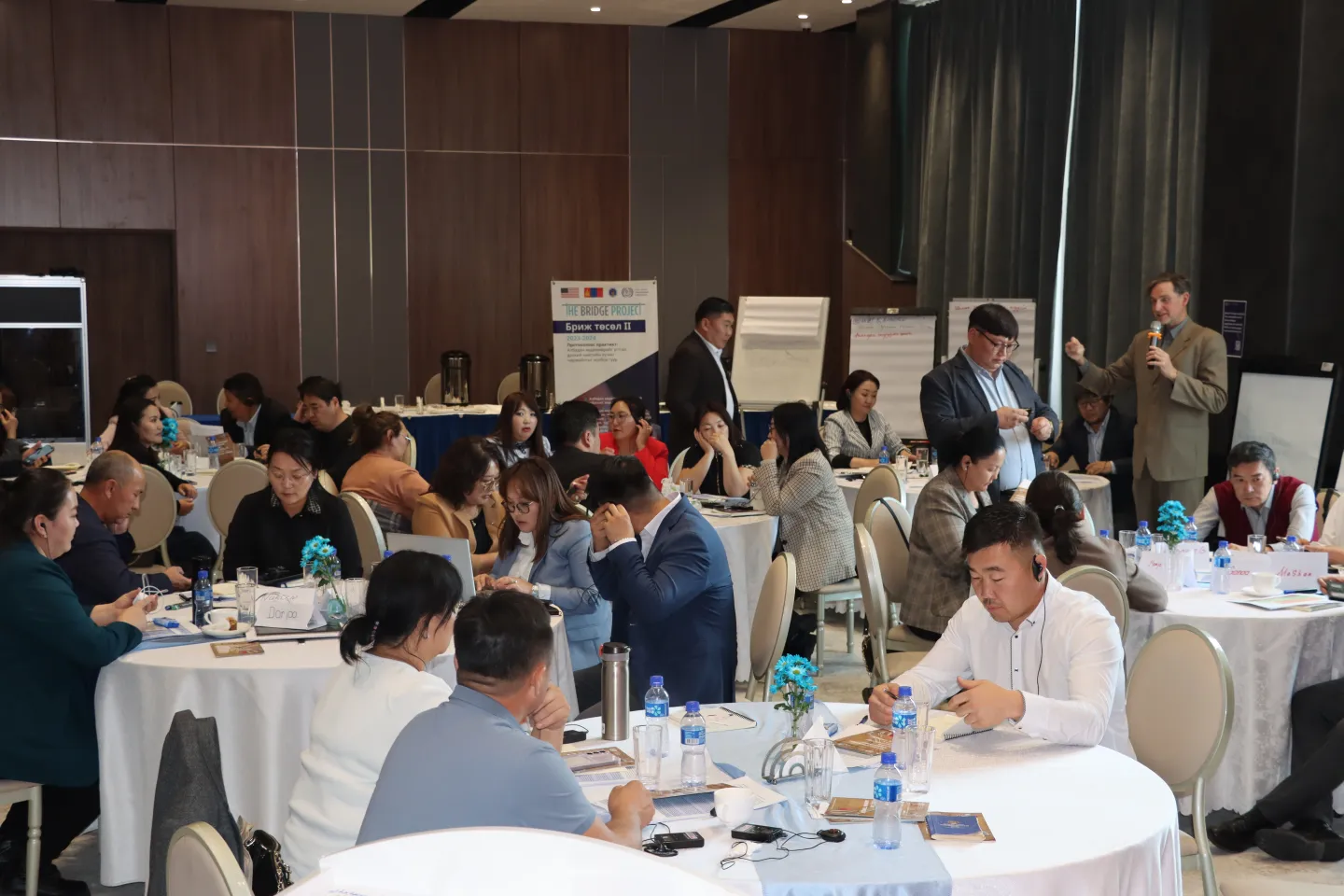
Recent research from the ILO and other organizations indicates the continued existence of forced labour practices in the country. Speaking at the training's opening session, Munkhzorig Bulgankhuu, Head of the Industrial Relations Division at the Ministry of Family, Labour, and Social Protection, highlighted ongoing cooperation with the ILO to address forced labour issues. He praised the training material development process, which involved key stakeholders including social partners.
In her opening speech, Emma Lomax, Chief of the Political Section at the U.S. Embassy in Mongolia, noted that the USDOL-funded Bridge project has produced numerous guides and tools for law enforcement officers, lawmakers, policymakers, journalists, and others. “These tools and lessons learned from previous work in these areas are now being shared and used in Mongolia,” she added.
While commending recent legislative efforts by Mongolia to combat forced labour, Chang-Hee Lee, ILO Country Director for China and Mongolia, emphasized the need to improve the technical capacity of labour inspectors in addressing this serious human rights violation. “Even well-crafted laws remain ineffective unless they are fully adhered to,” he said.
With the co-facilitation of trainers Hans van de Glind and Bilguun Sukhee, 38 participants, including labour inspectors, child rights inspectors, and labour law experts, attended this interactive training. The training covered three main themes:
1. Overview of forced labour and trafficking in persons for forced labour, and the roles of labour inspection.
2. Identification and investigation of forced labour.
3. Reporting, remedial actions, and collaboration.

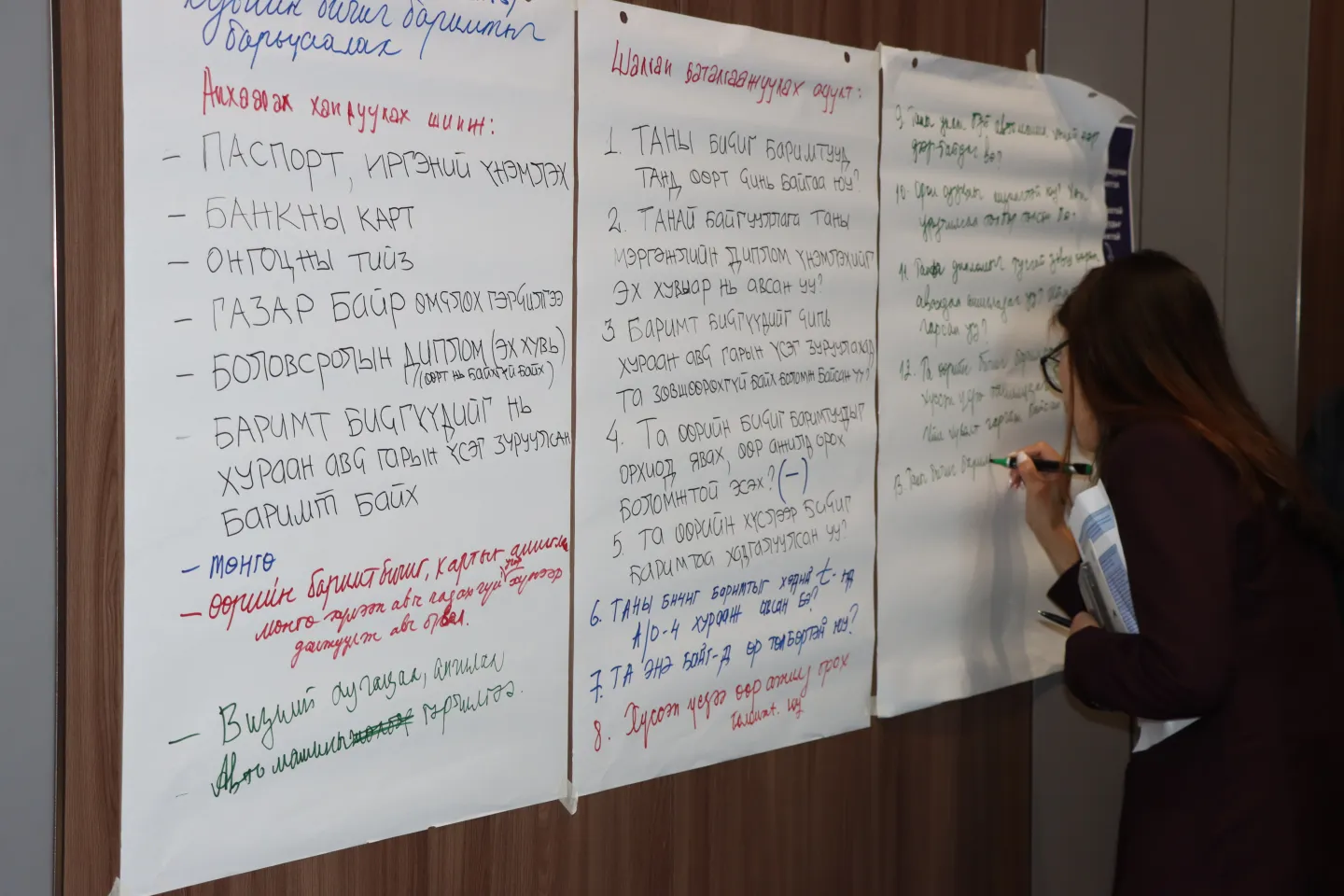
During the training, participants validated seven draft tools for the daily use of labour inspectors. These tools are expected to be tested in workplace inspections. At the conclusion of the training, participants also developed individual action plans to apply the knowledge and skills they acquired.
Related content
Forced labour
From Protocol to Practice: A Bridge to Global Action on Forced Labour - Phase II (Bridge II) in Mongolia