


Mombasa County hosts a sensitization workshop on extending social protection coverage to workers in the informal and rural economy, including refugees
6 December 2024
Kenya (ILO News) The International Labour Organization (ILO) partnered with the National Social Protection Secretariat (NSPS) to host a Sensitization Workshop aimed at expanding social protection coverage to workers in Kenya’s informal and rural economies, including refugees in Mombasa County between the 20th and 22nd of November 2024. The workshop marked an important step towards the implementation of the national strategy on the Extension of Social Protection Coverage to Workers in the Informal and Rural Economy in Kenya, adopted in October 2023 by the country through the Ministry of Labour and Social Protection and technically supported by UN Partners such as ILO, World Food Programme (WFP), Food and Agriculture Organization (FAO), and the United Nations High Commissioner for Refugees (UNHCR).
The workshop underscores Kenya’s commitment to progressively building a social protection floor that can facilitate the universalization of the social protection system, particularly for those who often lack adequate access to essential social protection such as informal and rural workers, and refugees.
Mombasa County serves as a pivotal gateway for implementing initiatives aimed at integrating informal and rural workers, including refugees, into social protection systems. In Kenya, the informal sector is substantial, employing approximately 83.5% of the workforce, which equates to about 16.7 million individuals as of 2023. This sector encompasses a wide range of activities, with a significant concentration in wholesale and retail trade, hotels, and restaurants. Urban refugees often engage in informal employment and represent a considerable demographic in Kenya. As of May 31, 2024, there were 774,370 registered refugees and asylum-seekers in the country, with 13.3% residing in urban areas such as Nairobi, Mombasa, and Nakuru. This urban refugee population frequently faces exclusion from formal social protection mechanisms, underscoring the necessity for inclusive policies that address their specific needs.
The predominance of informal employment and the significant presence of urban refugees in Mombasa County highlights the critical need to develop and implement social protection strategies that are inclusive of these groups. By extending coverage to informal and rural workers, including refugees, Kenya can work towards a more equitable and comprehensive social protection system.
The strategy takes a rights-based and lifecycle approach, aiming to bridge existing gaps in the national social protection system and provide tailored solutions for vulnerable groups.
The three-day workshop brought together a diverse group of stakeholders, including representatives from national and county governments, international organizations (ILO, WFP, FAO, and UNHCR), and various regional entities. Among those present were the Federation of Kenya Employers (FKE), the Central Organization of Trade Unions in Kenya (COTU-K), the Department of Refugee Services (DRS), National Social Security Fund (NSSF), the Social Health Authority (SHA), the National Council for Persons with Disabilities (NCPWD), informal and rural workers organizations, Refugee associations and community-based organizations.
Prior to the workshop, a team from the ILO, FAO, WFP, and NSPS conducted courtesy visits to key stakeholders from both national and county governments, as well as regional offices of ILO’s constituent partners in Mombasa. These visits were critical in onboarding stakeholders and emphasizing the importance of extending social protection to informal and rural economy workers, including refugees.
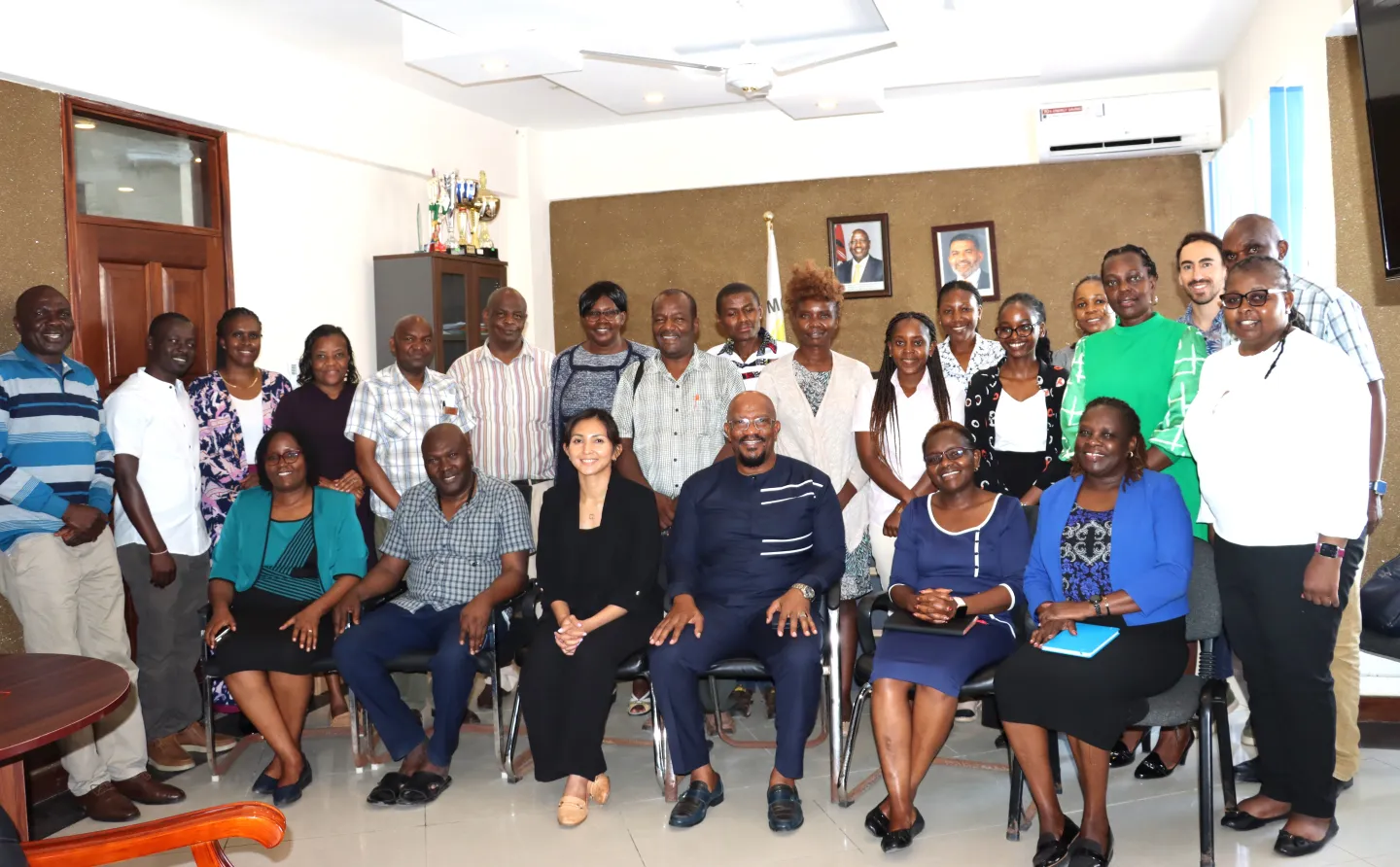
"Our informal and rural economy workers face numerous barriers to social protection, from limited awareness to a lack of tailored programs. This initiative is a transformative step towards inclusive coverage, ensuring no one (both locals and refugees) is left behind in accessing essential social safety nets," shared Kenneth Ambani Mombasa County Executive Committee Member (CECM) for Public Service, Administration, Youth, Gender, Social Services, and Sports.
As a result of the workshop, a detailed action plan was developed, assigning responsibilities to various stakeholders and ensuring a collaborative, multisectoral approach to implementation. The strong support from the government, employers, and trade unions signals a shared commitment to initiating the program and achieving universal social protection.
This initiative is part of the umbrella of the United Nations Sustainable Development Cooperation Framework (UNSDCF), with ILO, FAO, WFP, and UNHCR working alongside the Government of Kenya to promote universal social protection. By leveraging the expertise of organizations like NSSF and SHA, the strategy aims to offer comprehensive health and income security benefits, fostering resilience and economic inclusion for all Kenyans.
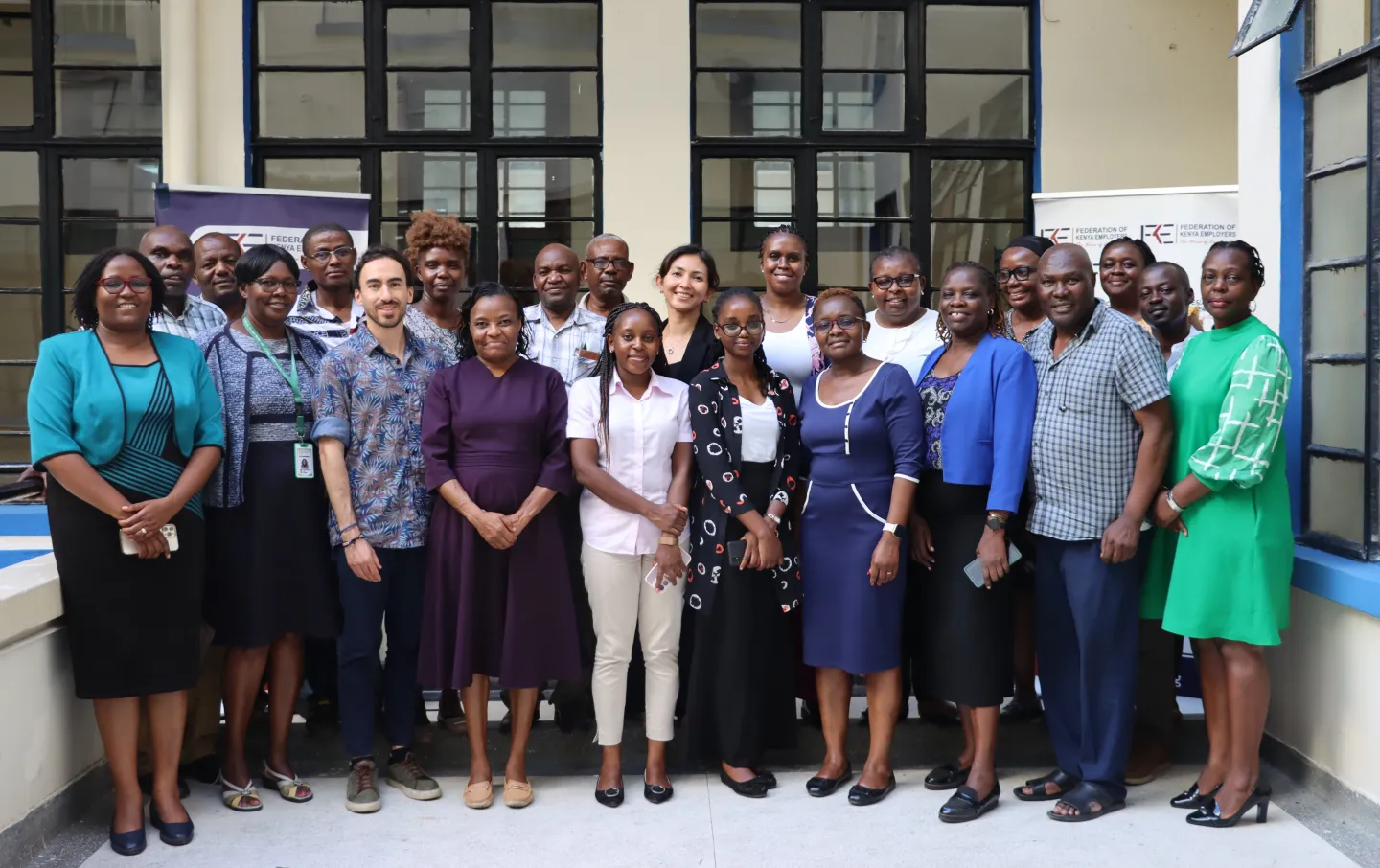
This collaborative effort between the government, social partners, and international organizations marks a significant milestone in Kenya’s journey toward ensuring universal social protection for its most vulnerable workers, strengthening both health and income security across the nation.
The ILO is committed to supporting the country in extending the coverage of the social protection system to informal, rural, and refugee workers. This commitment is made possible through various projects implemented in Kenya, supported by the ILO’s development partners, including the Bureau of Population, Refugees, and Migration (BPRM) of the U.S. Department of State, the Ministry of Human Resources and Social Security of China, and the Ministry of Foreign Affairs of the Netherlands.
Related content
PATHWAYS
Promoting Pathways to Economic Inclusion and Social Protection for Refugees and Host Communities in Kenya

Social Protection
Empowering Kenya Workers from the Informal and Rural Economy on Inclusive Social Protection