

Mauritania moves to unlock the potential of the Social and Solidarity Economy
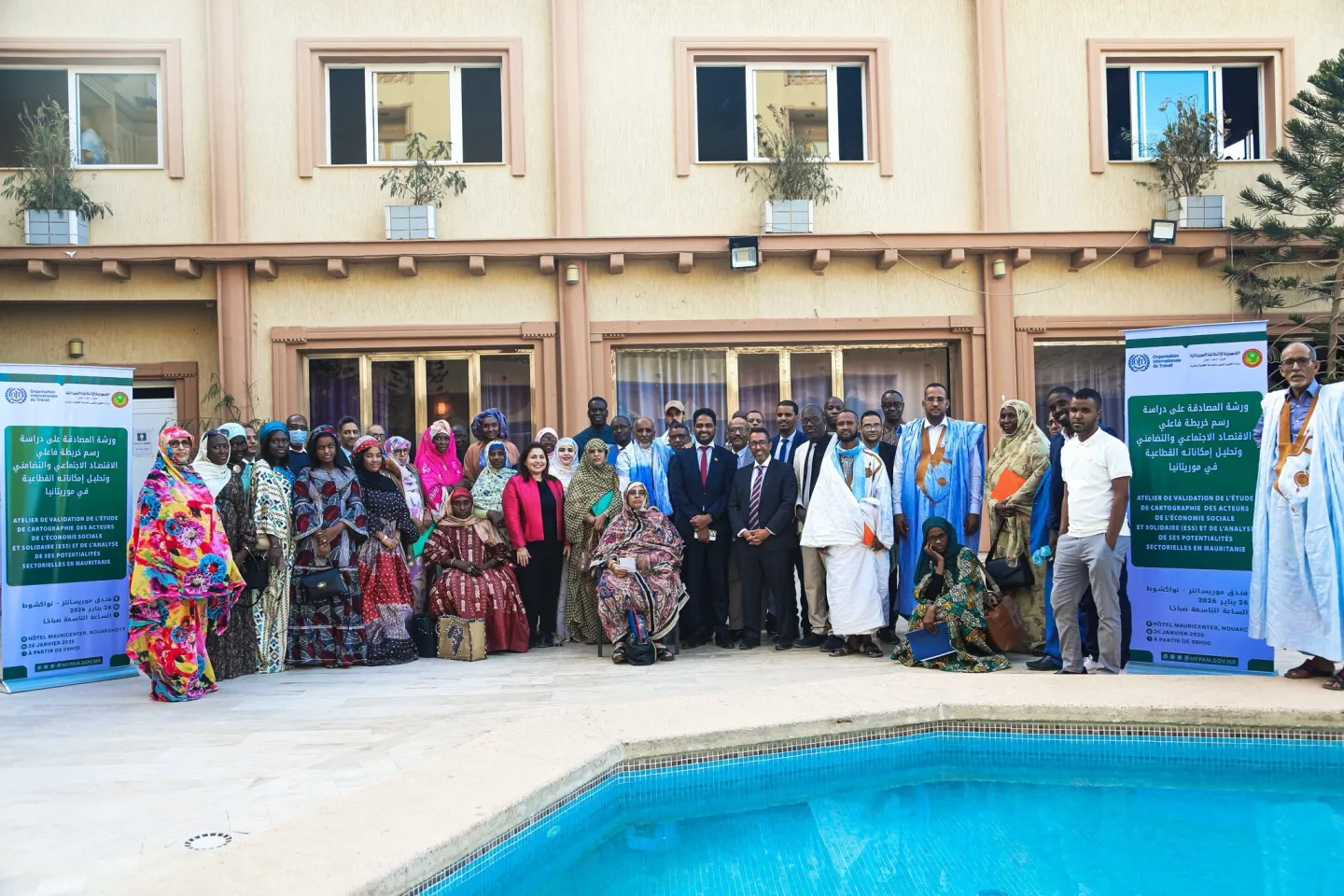
On 26 January 2026, over 80 participants met in Nouakchott to validate Mauritania’s National Study on the Social and Solidarity Economy (SSE). The study maps stakeholders, identifies high-potential supply chains and recommends measures to strengthen institutions, finance and capacity development. Its findings will guide the implementation of the National SSE Strategy adopted in 2024, with continued ILO support.
27 February 2026
NOUAKCHOTT (ILO News) – In Mauritania, the Social and Solidarity Economy (SSE) is gaining renewed attention as an important pillar for employment creation, local development, and expanded opportunities for women and young people.
With the adoption of the National Strategy for the Promotion of the SSE in 2024, the Government of Mauritania reaffirmed its commitment to strengthening cooperatives, mutual organizations, associations, and social enterprises as contributors to inclusive and sustainable economic development.
The validation workshop held on 26 January 2026 in Nouakchott, organized by the Ministry of Vocational Training, Handicrafts and Trades in collaboration with the International Labour Organization (ILO), marked an important step in consolidating the evidence base and supporting implementation of this national vision.
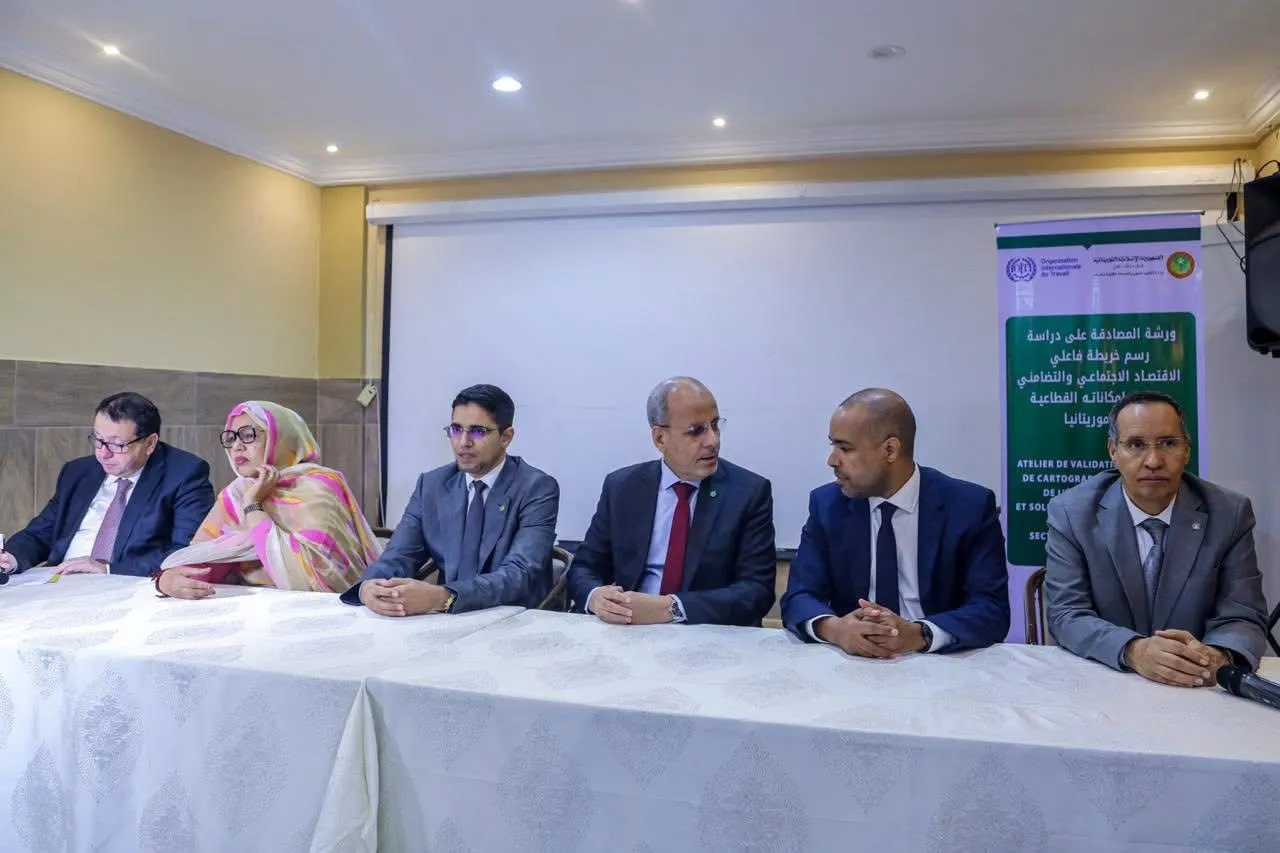
In his opening remarks, the Minister of Vocational Training, Handicrafts and Trades, Mohamed Melaynine Ould Eyih, emphasized that the Social and Solidarity Economy is fully aligned with the presidential programme “My Ambition for the Nation.” He highlighted its role in strengthening economic resilience, promoting productive employment, and enhancing opportunities for women and youth. The Minister also underscored the Government’s leadership in coordinating implementation of the National Strategy, including ongoing efforts toward the establishment of a dedicated national SSE agency.
Across the country, producers’ organizations, cooperatives, artisans’ associations, and other collective enterprises are active in agriculture, livestock, fisheries, handicrafts, trade, and services. These entities contribute meaningfully to livelihoods, community cohesion, and local value creation, particularly in rural areas and among groups facing labour market constraints.
The National SSE Study, developed with technical and financial support from the ILO, provides a comprehensive mapping of the sector and identifies value chains with strong potential for decent and sustainable job creation, especially for women and young people. It outlines practical recommendations to strengthen governance mechanisms, improve access to finance, build institutional and entrepreneurial capacities, and enhance coordination among relevant actors.
The ILO Country Director for the Maghreb, Halim Hamzaoui, welcomed the Government’s continued engagement in promoting the SSE and reiterated the ILO’s commitment to supporting Mauritania in advancing decent work through strengthened enterprises, improved access to skills, and inclusive economic participation. He noted that the SSE can complement broader national efforts to foster social cohesion and territorial development.
The validation process brought together more than 80 representatives from public institutions, social partners, financial actors, and SSE organizations. Discussions highlighted the importance of sustained coordination, inclusive dialogue, and phased implementation to ensure that policy measures translate into practical support for enterprises and workers across the country.
Going forward, priority actions will focus on operationalizing the study’s recommendations through strengthened institutional frameworks, targeted capacity-building initiatives, and improved access to financing mechanisms.
Through continued collaboration between the Government of Mauritania and its partners, including the ILO, the Social and Solidarity Economy can further contribute to employment generation, women’s economic empowerment, youth inclusion, and balanced local development.