

Liberia advances decent work agenda to boost employment and inclusive growth
Liberia is strengthening its national framework for job creation, improved working conditions, and inclusive economic growth through the development of a Decent Work Country Programme and targeted private sector support.
7 May 2026
Monrovia, Liberia - The Government of Liberia has taken a significant step toward expanding employment opportunities and improving working conditions through a high-level tripartite consultation on the Decent Work Country Programme (DWCP).
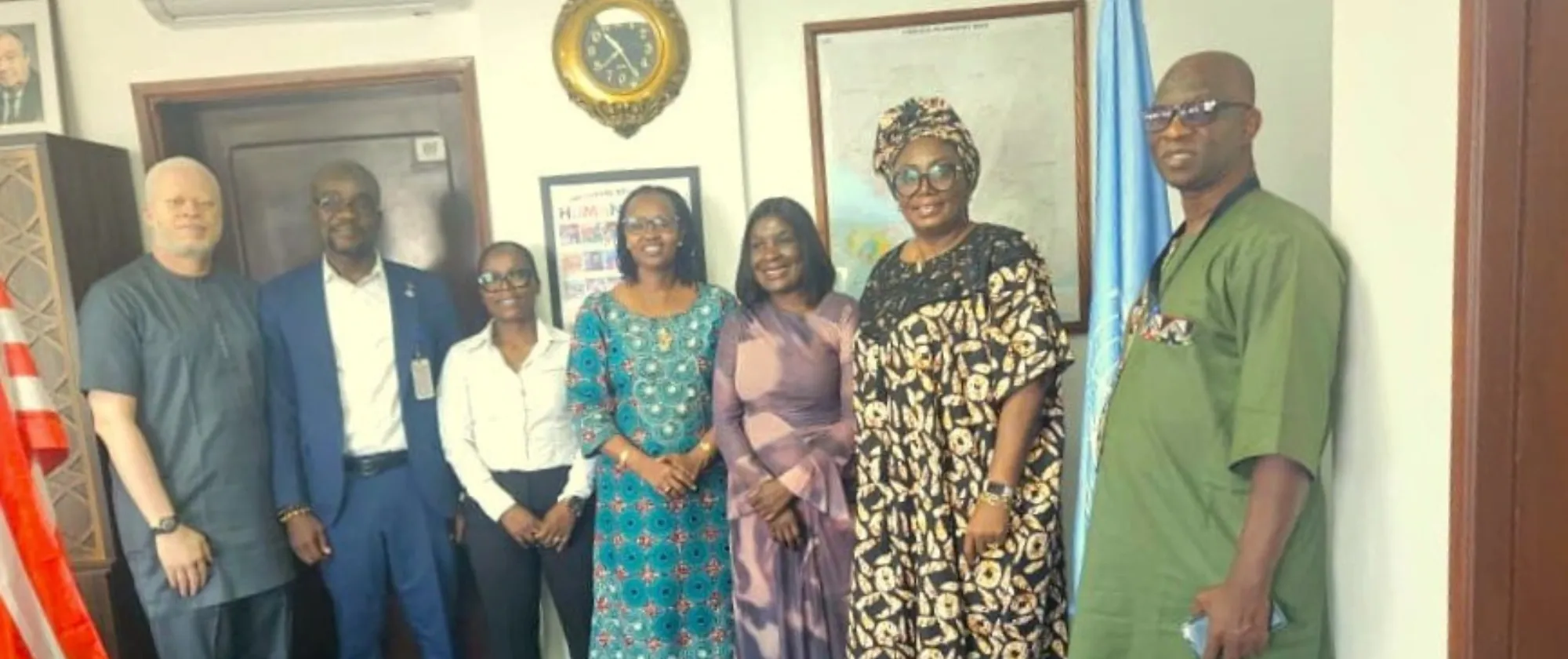
Convened by the Ministry of Labour on 8th May 2026, the consultation brought together representatives of government, employers’ and workers’ organizations to advance policies that promote job creation, strengthen labour protection, and support inclusive economic growth.
Representing the Minister of Labour, Cllr. Cooper Kruah, Deputy Minister Steve Kolubah described the process as a key milestone in building a labour market that delivers for all Liberians. He underscored the importance of creating productive employment opportunities, improving incomes, and strengthening livelihoods.
He further highlighted the development of the National Employment Policy (NEP) and the establishment of a National Employment Observatory as critical tools to support evidence-based policymaking and effective labour market governance. The Government also reaffirmed its commitment to the ratification and domestication of outstanding ILO Conventions and to strengthening labour administration systems.
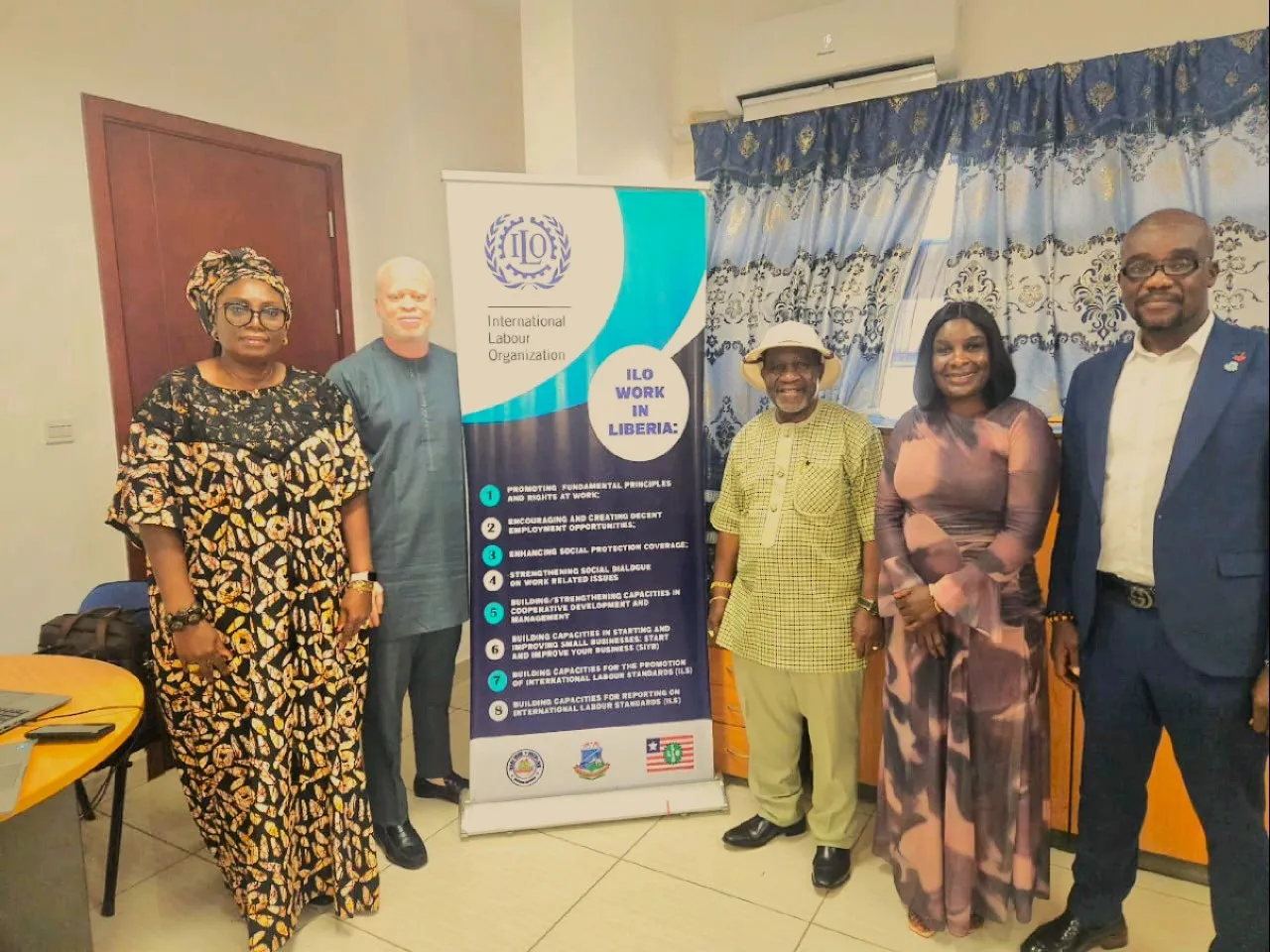
The consultation coincided with ongoing engagement under the Private Sector Development (PSD) Project, supported by the European Union through the Global Gateway Initiative. The project aims to promote sustainable job creation and private sector growth by supporting micro, small and medium-sized enterprises (MSMEs) to expand and create jobs, enhancing skills development to better match labour market needs, strengthening the business environment to attract investment, and promoting compliance with international labour standards. With a focus on key value chains—cassava, aquaculture and wood processing—the project seeks to improve productivity, competitiveness and inclusivity, particularly for women, youth and persons with disabilities.
Employers’ and workers’ organizations welcomed the development of the DWCP as an important platform for addressing national priorities and reaffirmed their commitment to continued social dialogue. The United Nations Resident Coordinator, Christine Omotini, reiterated the UN’s support for implementation, reinforcing coordination across partners.
Speaking at the meeting on behalf of Vanessa Phala, the ILO Country Office Director for Nigeria, Ghana, Liberia, Sierra Leone and Liaison Office for ECOWAS, Inviolata Chinyangarara, Workers Specialist, commended Liberia for its inclusive approach. She highlighted that strong collaboration between government, employers, and workers would build a more resilient workforce, strengthen the private sector, and improve overall working conditions across Liberia
Once finalized, the DWCP will serve as Liberia’s strategic framework for advancing decent work, reducing poverty, and ensuring that economic growth translates into improved living standards for all.