

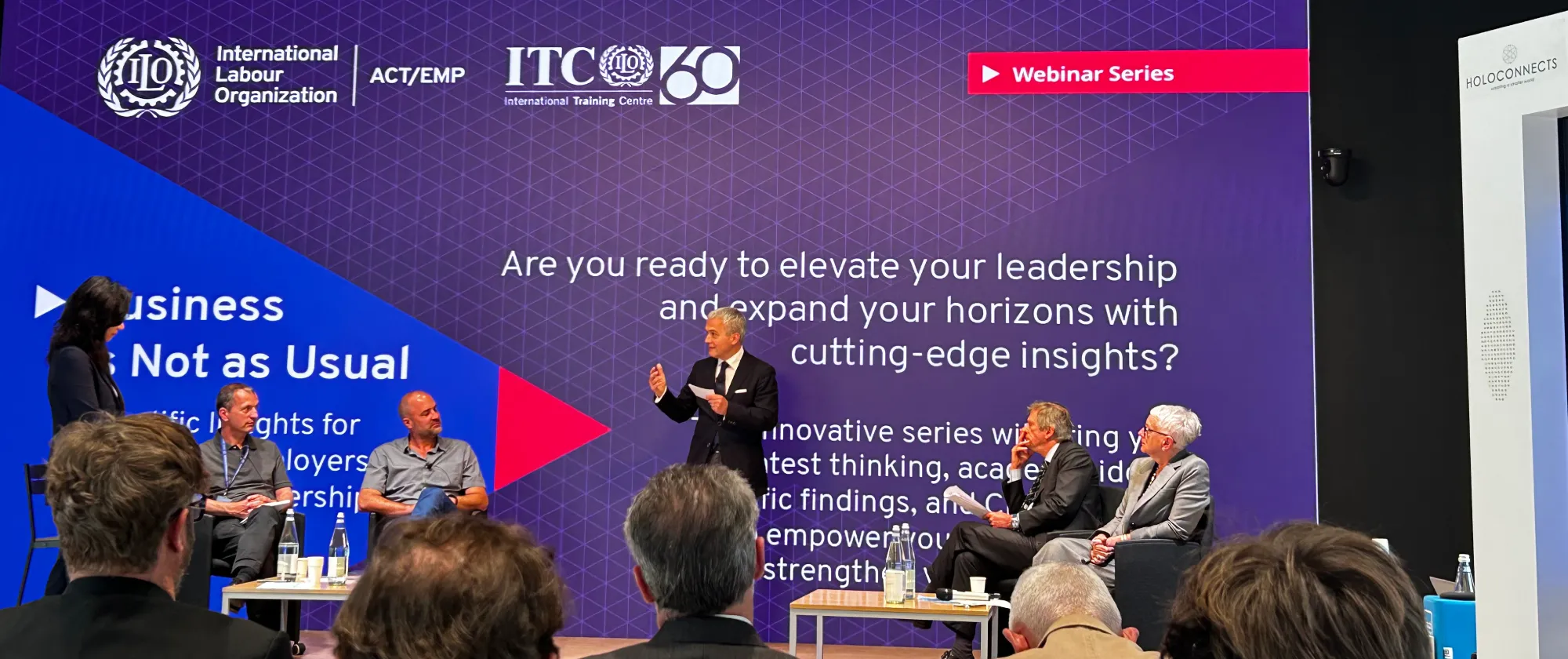
Webinar series - Business Is Not as Usual
Launch of the book Contemporary Employers Organizations
Employers’ organizations are evolving to stay relevant amid global political, economic, and social change. This was the focus of the launch of Contemporary Employers’ Organizations, a new academic book by Professors Gooberman and Hauptmeier.
30 May 2025
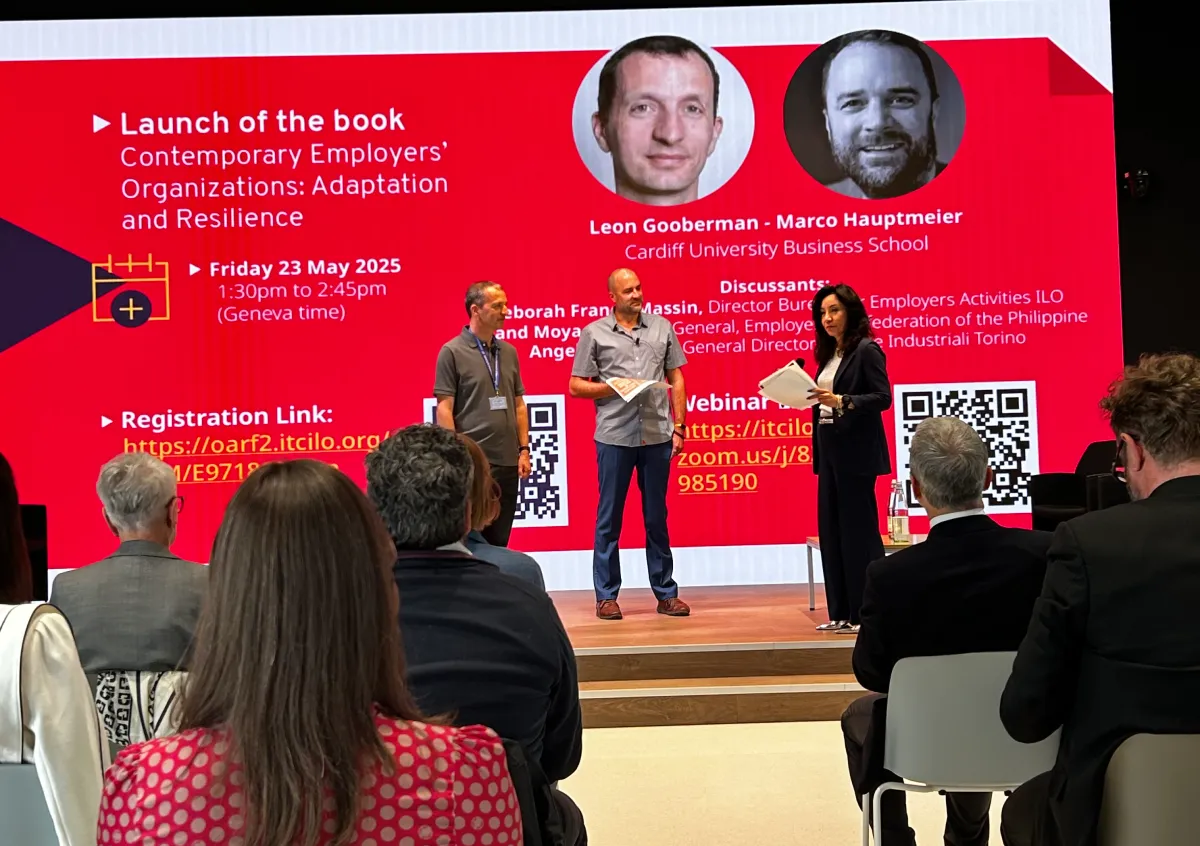
Geneva (ILO News) – In a world of ongoing political, economic, and social transformation, Employers and Business Membership Organizations (EBMOs) are not standing still. This was the central theme of the launch of Contemporary Employers’ Organizations, a new academic book by Professors Gooberman and Hauptmeier. The event was hosted by the International Training Centre of the ILO (ITCILO) as part of its “Business is Not as Usual” series. Gathering more than 160 participants in a hybrid format—both online and in-person—the launch event explored how EBMOs have adapted their roles, structures, and strategies to remain relevant amid global change.
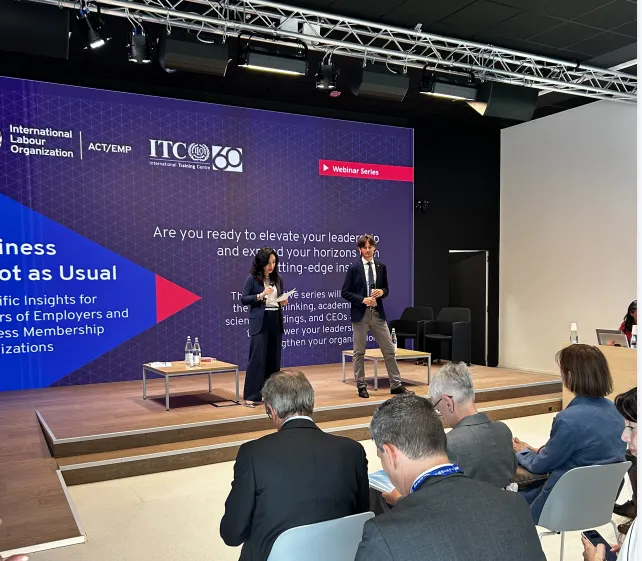
The authors presented key findings from their book, analyzing how the traditional mandates of EBMOs—centered on collective bargaining and social dialogue—are evolving. While tripartism has weakened in some national contexts, it remains active and effective elsewhere. Meanwhile, many EBMOs are broadening their scope: from developing voluntary standards and engaging in private regulation, to expanding lobbying efforts across a range of policy areas.
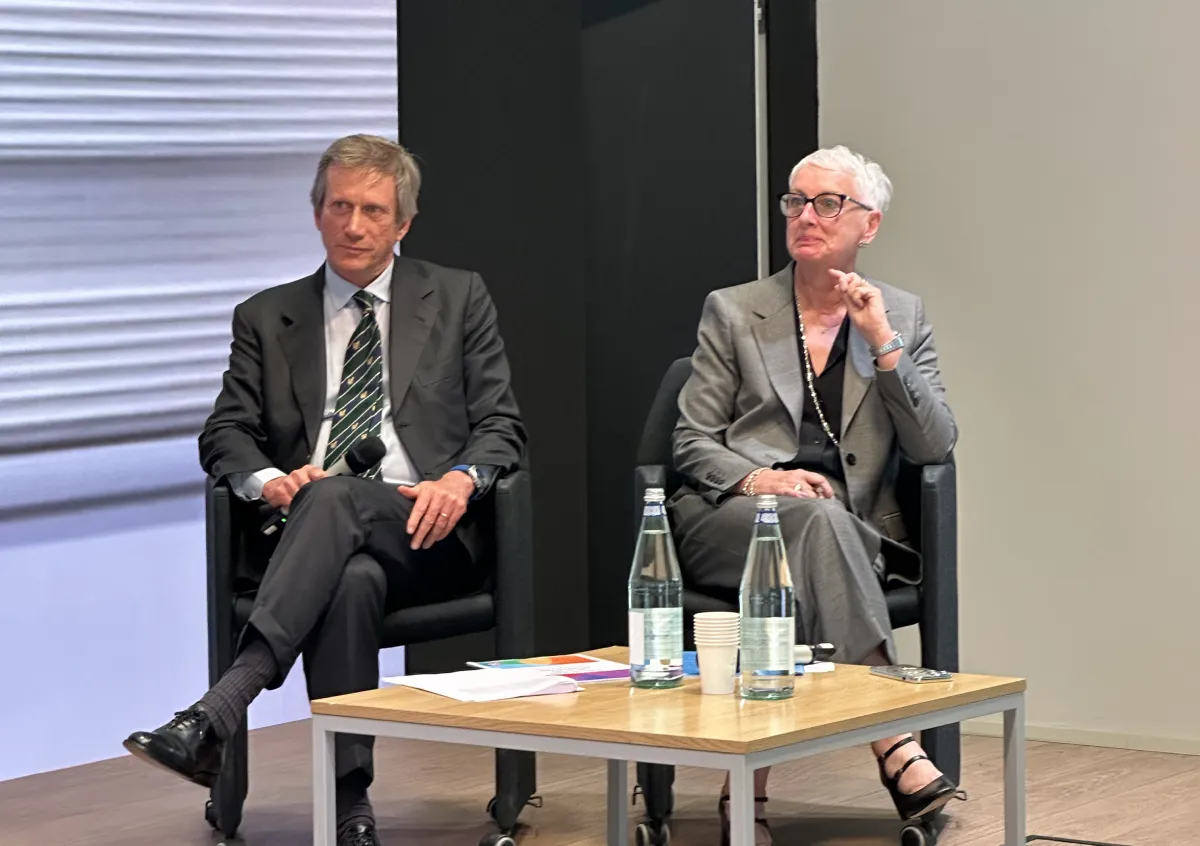
Insights from practitioners
Angelo Cappetti, Director General of the Industrial Association of Torino, reflected on how decades of liberalization and globalization have reshaped employers’ organizations.
“Our main role used to be negotiating with trade unions. Today, we are deeply involved in shaping the business environment, lobbying for reforms, contributing to vocational training governance, and offering concrete services to members”
Roland Moya, Secretary General of the Employers Confederation of the Philippines (ECOP), highlighted how the pandemic accelerated transformation:
“Employers today need more than representation—they need clarity, tools, and continuity. ECOP responded with a digital overhaul, launching AI-driven tools like the Navigate chatbot and eCampus, while also focusing on ESG compliance, migration, and formalization strategies”
Deborah France-Massin, Director of the ILO Bureau for Employers’ Activities, provided a global overview:
“The persistence—some might say the ‘strange non-death’—of EBMOs is striking. They have proven remarkably adaptive. But adaptation alone won’t ensure survival. The future relevance of EBMOs will depend on their ability to renew their mandates and respond strategically”
She warned against complacency, pointing to significant challenges: fragmentation of the business voice, populist narratives that undermine business actors, and reduced access to traditional policymaking spaces.
Looking Ahead
Contemporary Employers’ Organizations offers a timely analysis of institutional change while raising essential questions about the future. How can EBMOs maintain their central role in policymaking and economic development? Will their adaptability continue to serve them in an increasingly fragmented world? The future relevance of EBMOs will depend on their ability to renew their mandates and respond strategically.”
See also

Book launch
Contemporary Employers' Organizations: Adaptation and Resilience