

Decent work in supply chain
Khulna hosts first district-level initiative under ILO’s Advancing Decent Work in Bangladesh Project
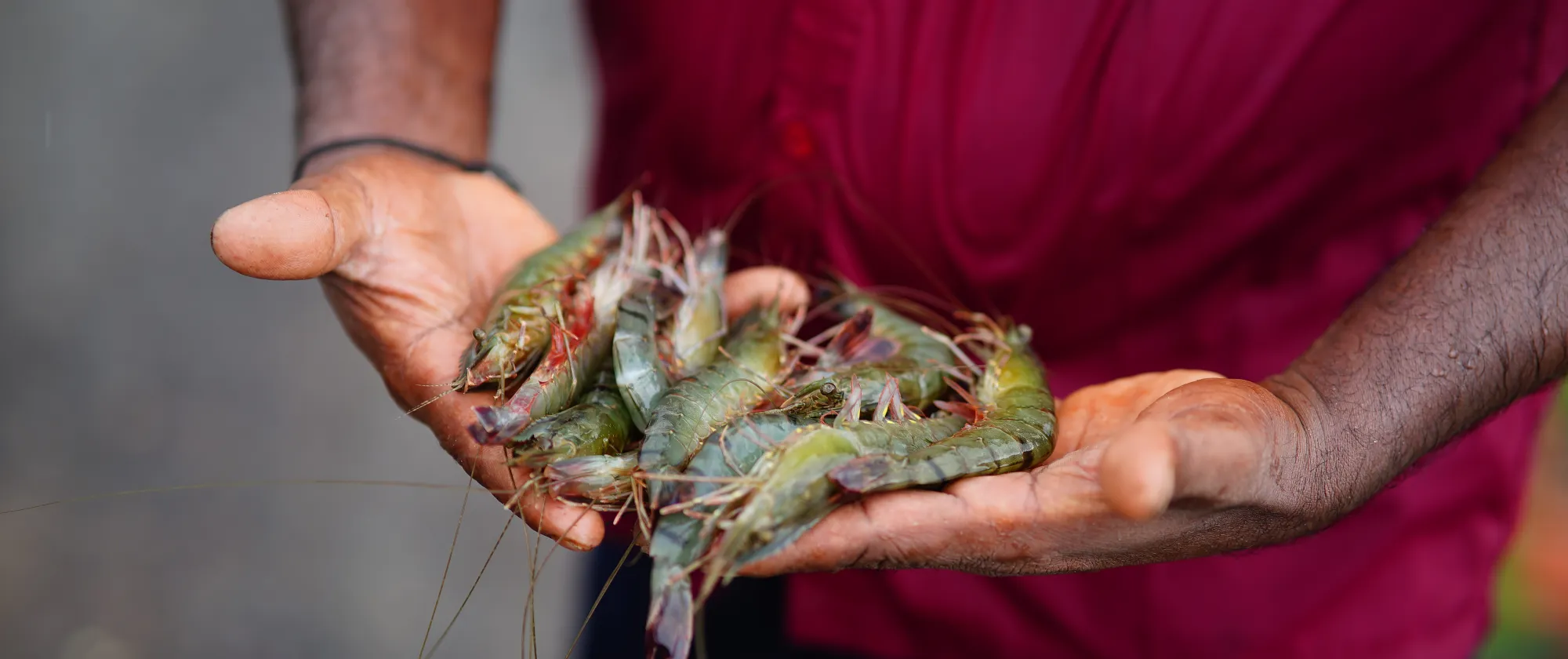
The ILO launched the first district-level initiative under its Advancing Decent Work in Bangladesh Project in Khulna during 16-19 June, linking government enforcement efforts with priority local supply chains such as frozen food, plastics, and bakeries. In collaboration with Department of Inspection for Factories and Establishments (DIFE), the initiative piloted strategic compliance planning for labour inspectors with a view to national scale-up. It also marked the launch of a partnership with Monterey Bay Aquarium, delivering joint training on labour law compliance, workplace safety, formalization and environmentally sustainable shrimp farming for workers and farmers.
19 June 2025
DHAKA (ILO News) - Khulna’s industrial landscape provided the backdrop for the first district-level roll-out of the Advancing Decent Work in Bangladesh Project, in efforts that links labour law enforcement with the district’s most strategic supply chains efforts to become more competitive globally.
Raising the bar on enforcement
Partnering closely with the Department of Inspection for Factories and Establishments (DIFE), the project piloted ILO’s Strategic Compliance Planning methodology with labour inspectors focused on aquaculture, plastics and bakery enterprises. Training sessions were followed by a joint inspection, giving inspectors hands-on experience in risk-based targeting, worker interviews and root-cause analysis. The pilot will serve as a national blueprint, pinpointing policy and practice gaps that DIFE headquarters can address as the model scales to other districts.
Building resilient aquaculture supply chains
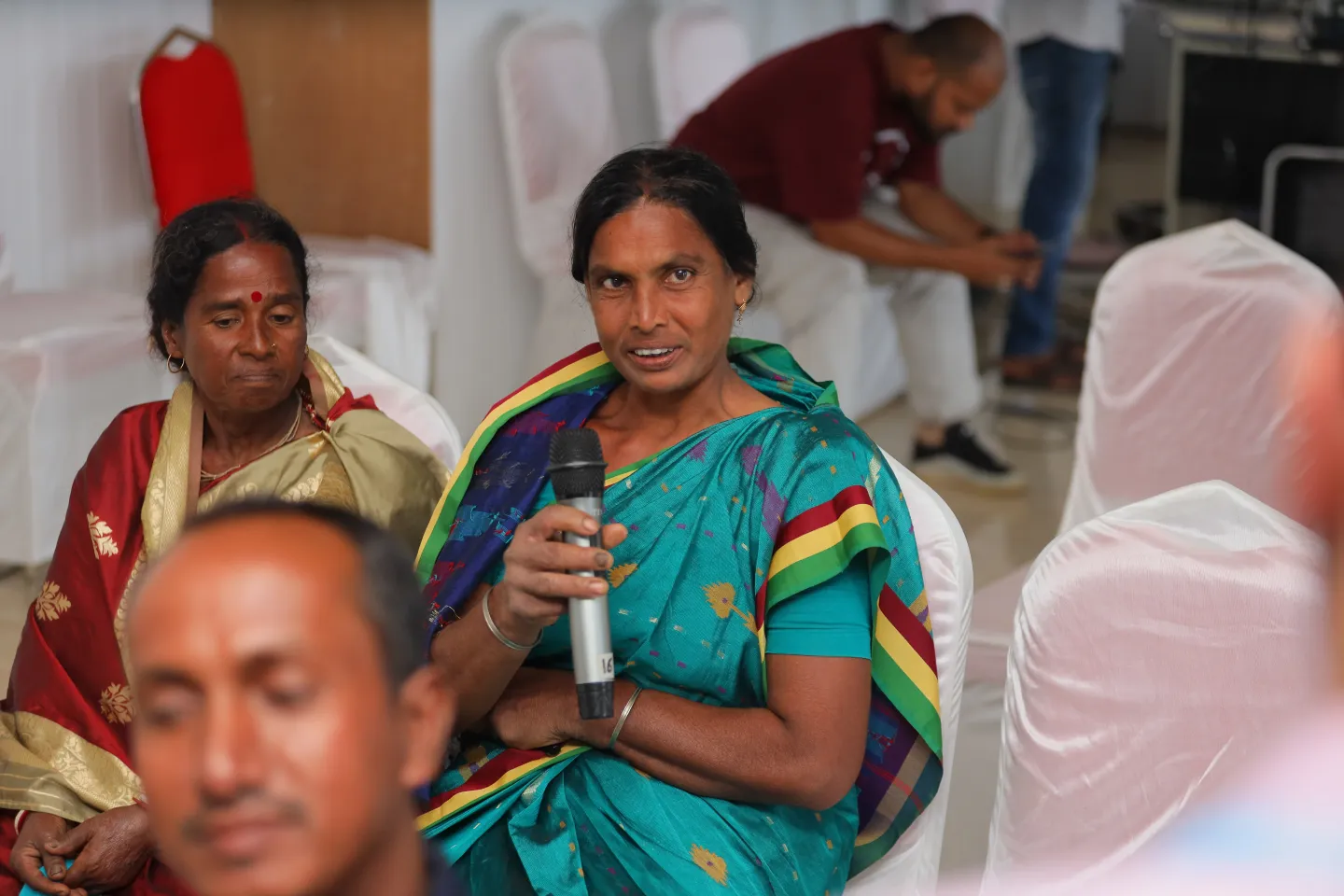
The mission also marked the launch of a new partnership with Monterey Bay Aquarium. To protect ocean health while meeting the growing global demand for seafood, the Aquarium works collaboratively with local industry, scientists, governments, and others to tackle the intertwined environmental, social, and economic issues needed to improve the sustainability of seafood production. Fifty shrimp farmers completed the inaugural training that paired modules on labour law compliance, occupational safety and health (OSH) and formalization of business offered by the ILO and environmentally sustainable shrimp farming standards offered by Monterey Bay Aquarium. By covering the “farm-to-fork” continuum, the collaboration aims to embed decent work and environmental best practices across Bangladesh’s high-value aquaculture sector, paving the way for inclusive growth and development.
From district insights to national policy
Findings from Khulna - including investment opportunities and regulatory bottlenecks – are examples of the project’s findings that will be tabled in the Platform for Resilient and Inclusive Supply Chains, launched earlier this year with the Bangladesh Investment Development Authority (BIDA). By channelling district-level evidence into national policy dialogue, the ILO is ensuring that enforcement, enterprise competitiveness and worker rights and protection advance hand in hand.
“This integrated approach shows how labour standards can drive productivity and market access,” said Valkyrie Hanson, Regional Coordinator for Decent Work in Supply Chains. “Khulna’s lessons will guide our journey toward safer and more inclusive and competitive supply chains nationwide.”